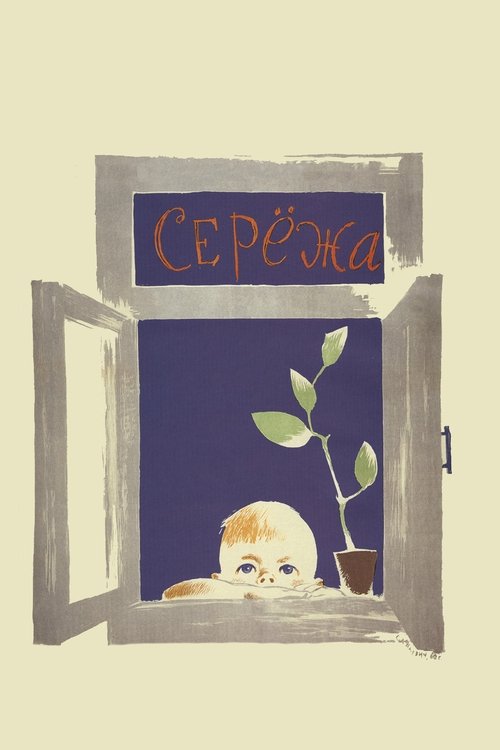
A Summer to Remember
1960
No user ratings available yet
Representation score: 3.3 out of 10

Representation Score
Limited
1964
Director
Elisabeta Bostan
Runtime
72 minutes
Average Rating
No ratings yetNew Showbiz Analysis
Elisabeta Bostan’s film is a period piece that prioritizes cultural preservation and nostalgic storytelling. It functions as a localized document of Romanian heritage, focusing on the universal experiences of childhood within a specific historical context. The narrative structure upholds established communal and familial norms. Instead of challenging social hierarchies, the film adheres to the social constraints and traditional structures of 1960s rural life. While the film provides a centered female perspective, it does not actively seek to challenge established gender roles or offer diverse representation. It remains a culturally specific work that lacks modern progressive standards.
Category Breakdown
The film centers on the traditional rhythms of rural life and childhood development. It does not include any representation of non-straight or non-cisgender identities or stories that challenge the assumption that everyone is straight or cisgender.
A female protagonist anchors the coming-of-age story, providing a focused perspective. However, the narrative stays tied to the traditional gender roles of a mid-20th-century farming community.
The cast is culturally uniform, reflecting its specific Romanian setting. There is no ethnic diversity, serving as a localized cultural record rather than deploying harmful stereotypes.
The story is deeply rooted in European pastoral traditions, highlighting family and village life. It leans towards a nostalgic depiction of traditional institutions and folk storytelling.
There are no prominent characters with visible or invisible disabilities featured as central to the story.
Present on Screen
Limited or Absent
Official Synopsis
Based on Ion Creanga's book, the story of a child from his childhood to his manhood.
1960
1990
1973

2004

1989
1993

1964

1963
No reviews yet. Be the first to share your thoughts on this movie!
Use the rating form above to leave a star rating and optional review.