
The Girl and the Bugler
1965
No user ratings available yet
Representation score: 3.3 out of 10

Representation Score
Minimal
1961
Director
Mikhail Kalik
Runtime
72 minutes
Average Rating
No ratings yetNew Showbiz Analysis
Following the Sun is a product of its 1961 Soviet cinematic context, adhering to the social realism typical of the era. The film prioritizes a singular, traditional narrative focused on a child's journey through a localized town. Because the production emphasizes collective experience and state-aligned morality, it lacks the hallmarks of modern storytelling that reflects multiple aspects of identity. The demographic and social homogeneity of the period is reflected in the film's limited representation of diverse identities.
Category Breakdown
The film does not include any LGBTQ+ characters or stories. The focus on a child's journey suggests a traditional structure that doesn't include diverse sexual or gender identities.
The story focuses on a young boy, emphasizing a male perspective. While the family genre implies the presence of female figures, they likely play traditional, non-authoritative roles.
The cast appears to be ethnically uniform, reflecting the localized Soviet setting. There is no indication of diverse ethnic representation or efforts to break demographic norms.
The narrative likely prioritizes collective social values over individualistic ideals. It presents a grounded view of community shaped by the state-sanctioned morality of the time.
There is no mention of characters dealing with physical, neurodivergent, or mental health conditions. Disability is not used as a plot device or given significant representation.
Present on Screen
Limited or Absent
Official Synopsis
A story about a boy walking across the town following sun.
1965
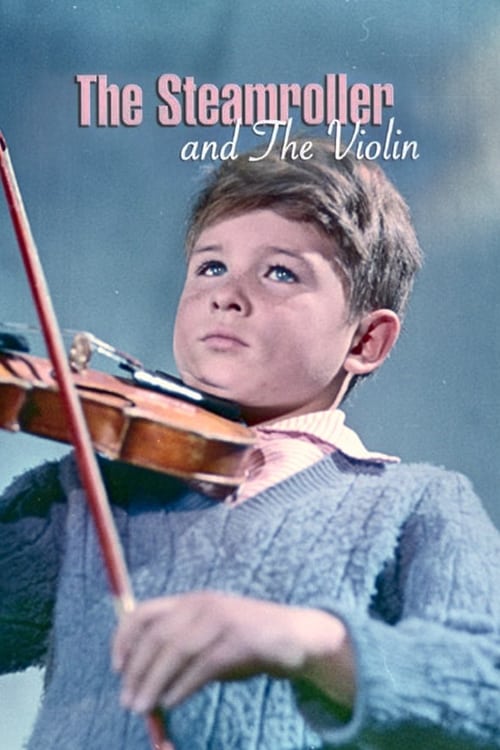
1961
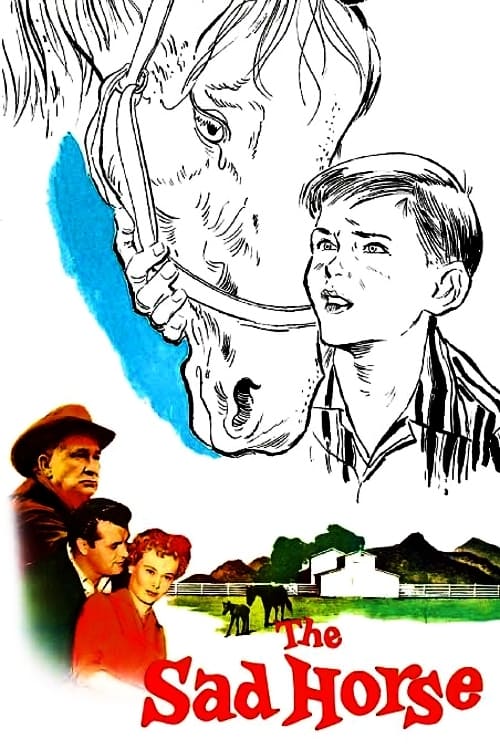
1959

1999
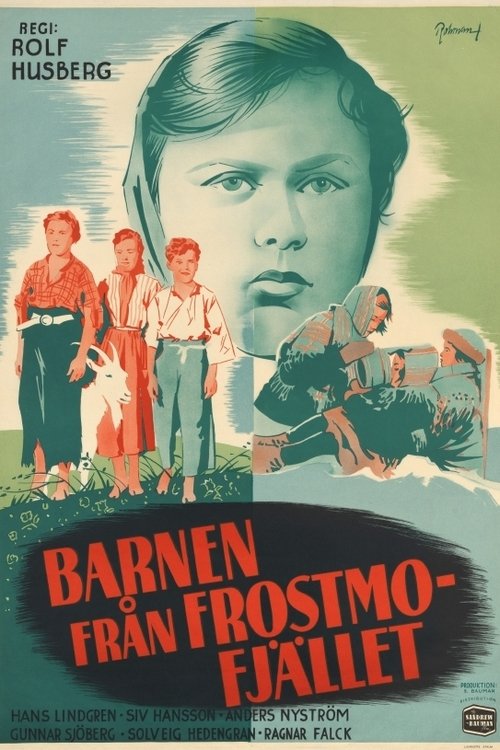
1945
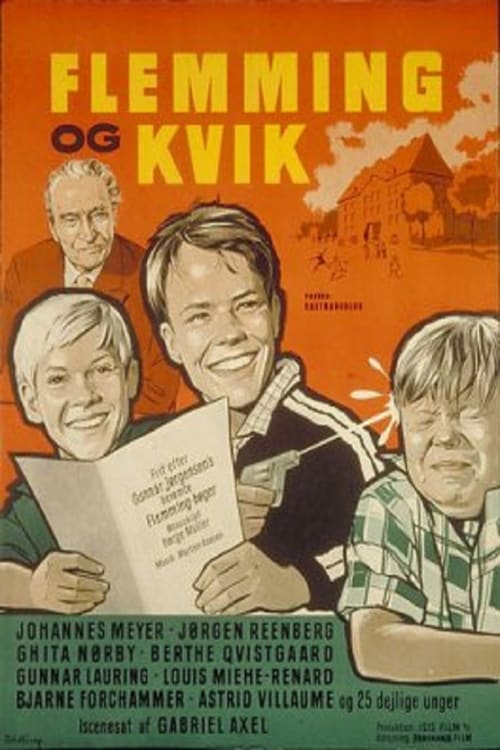
1960
1993

1977
No reviews yet. Be the first to share your thoughts on this movie!
Use the rating form above to leave a star rating and optional review.