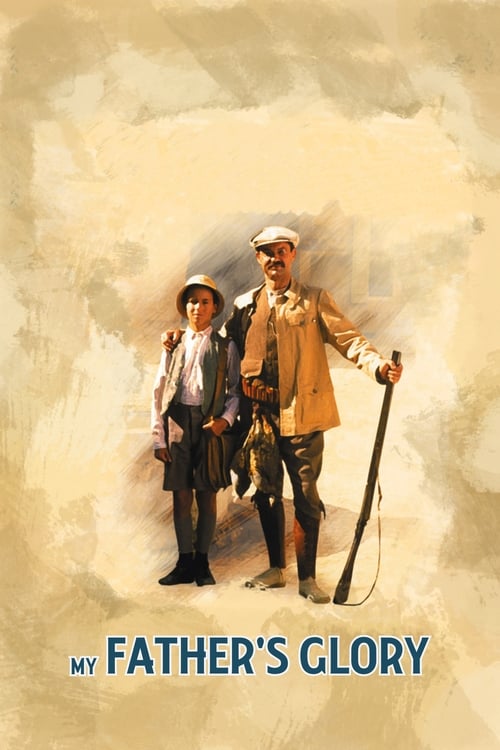
My Father's Glory
1990
No user ratings available yet
Representation score: 0.9 out of 10
Representation Score
Minimal
1990
PGDirector
Yves Robert
Runtime
99 minutes
Average Rating
No ratings yetNew Showbiz Analysis
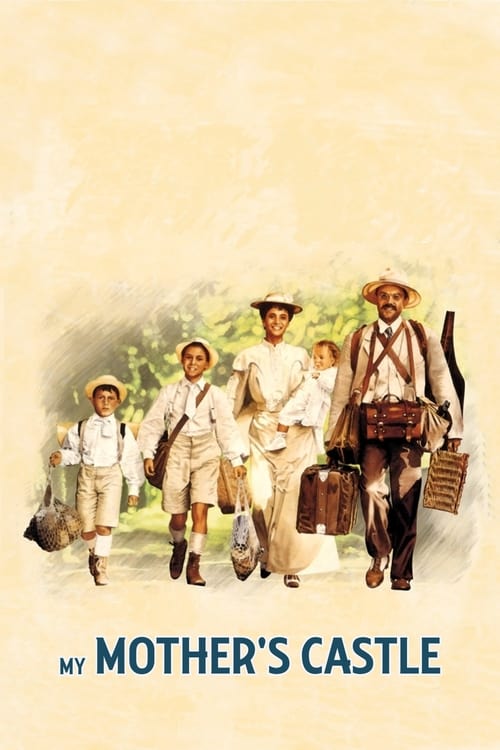
My Mother's Castle is a traditional French film that prioritizes nostalgic, pastoral storytelling. The narrative structure is deeply rooted in tradition, focusing on the shared experiences of a family unit rather than exploring diverse identities. The film reinforces established social hierarchies and conventional roles. It functions as a humanistic drama centered on a boy's journey and his family's domestic life, offering little room for the deconstruction of social norms. Ultimately, the work provides a window into a specific, homogeneous cultural era. It lacks the representation of underrepresented groups or the subversion of identity-based politics found in more contemporary cinema.
Category Breakdown
The film does not include any LGBTQ+ characters or stories. It focuses on a young boy and his parents in a traditional family setting.
Although the title highlights a maternal figure, the story revolves around a conventional domestic life. It centers on a family unit without challenging traditional gender roles.
Set in Marseille, the film portrays a homogeneous Mediterranean and European social environment. There is no indication of diverse casting that breaks traditional demographic norms.
The narrative emphasizes traditional Western values and the sanctity of the family unit. It prioritizes nostalgia for rural life and strong family bonds.
There are no visible or invisible disabilities shown with significant roles. No characters with disabilities play central narrative roles.
Present on Screen
Limited or Absent
Official Synopsis
To his chagrin, young Marcel Pagnol and his family move back to their home in Marseille, France, far from their pastoral holiday cottage in the hills. Determined, Marcel makes the long voyage back to the cottage on foot and lands himself in trouble. One day Marcel's father discovers a shortcut to the cottage, but it requires trespassing. Despite their trepidations, Marcel and his family begin using the secret trail to reach their cottage.
1990
1934
2000
2014
1964

2010
2014
2011
No reviews yet. Be the first to share your thoughts on this movie!
Use the rating form above to leave a star rating and optional review.