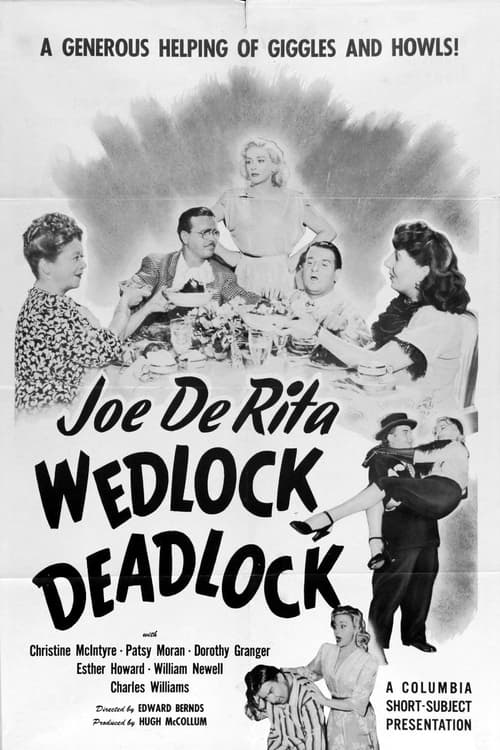
Wedlock Deadlock
1947
No user ratings available yet
Representation score: 0.4 out of 10

Representation Score
Minimal
1941
ApprovedDirector
Irving Reis
Runtime
65 minutes
Average Rating
No ratings yetNew Showbiz Analysis
Weekend for Three is a period-specific domestic comedy that operates within the traditional framework of the early 1940s. The plot relies on the classic 'unwanted guest' cliché to explore marital patience and social decorum. The film does not attempt to challenge social hierarchies or deconstruct institutional norms. Instead, it prioritizes the preservation of a conventional marital bond and the stability of the nuclear family unit. Ultimately, the narrative serves as a baseline example of mainstream cinema from its era, favoring social stability over diverse representation.
Category Breakdown
The film centers around a traditional romantic relationship between a newlywed couple. It does not include any non-cisgender identities or narratives that question the assumption that everyone is straight.
Ellen serves as the catalyst for bringing conflict into the household, but the story frames the conflict through Jim's emotional reaction, reinforcing traditional gender roles.
The film likely reflects the homogeneous casting practices of 1941. It seems to adhere to the typical Anglo-Saxon focus common in early Hollywood domestic comedies.
The story emphasizes social manners and the importance of the home. It reinforces the value of a stable, private domestic unit within a traditional Western social context.
The film does not depict any characters dealing with physical, neurodivergent, or mental health conditions. Randy's boorish behavior is portrayed as a personality trait rather than a disability.
Present on Screen
Limited or Absent
Official Synopsis
Jim is hardly thrilled when his new bride, Ellen, invites an old friend, Randy, over for dinner. Yet Jim turns genuinely dismayed once Randy arrives and turns out to be an insufferable, boorish braggart with bad manners and little self-awareness. That dismay turns to outright annoyance when Jim realizes Randy thinks he has come to stay for the weekend. How much damage to a marriage can one unwanted guest do in the space of one weekend?
1947
1948
1944
1939

1942
1972
1940

1933
No reviews yet. Be the first to share your thoughts on this movie!
Use the rating form above to leave a star rating and optional review.