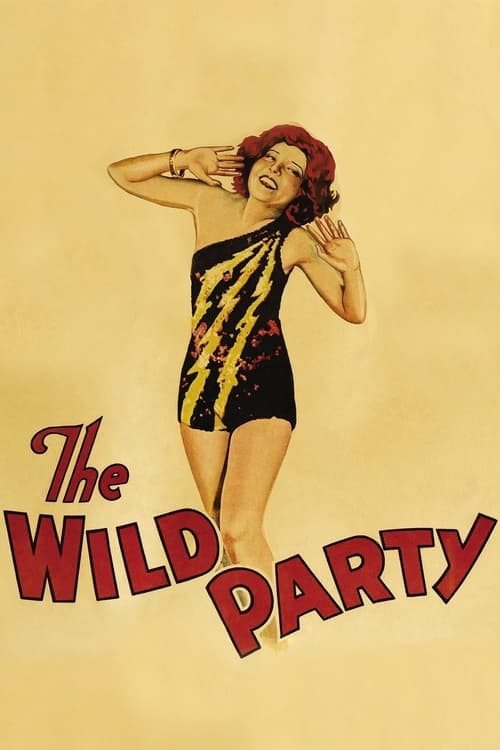
The Wild Party
1929
No user ratings available yet
Representation score: 3.9 out of 10

Representation Score
Fair
1932
NRDirector
Dorothy Arzner
Runtime
83 minutes
Average Rating
No ratings yetNew Showbiz Analysis
Merrily We Go to Hell highlights female empowerment through its narrative structure, where women play key roles in shaping the male lead's journey. However, the film falls short in representing diverse racial backgrounds and LGBTQ+ identities. Additionally, the portrayal of alcoholism as a plot device does not fully explore the lived experiences of those with disabilities.
Category Breakdown
The story revolves around a traditional love triangle without any clear representation of LGBTQ+ identities or narratives.
Joan Prentice plays a pivotal role, driving the male lead's development and showcasing women's intellectual influence.
The cast predominantly features white actors, focusing on the economic and social dynamics of the upper-class community.
The film delves into moral ambiguity and the fragility of high-society institutions, while maintaining a capitalist perspective.
Alcoholism is a central theme, portrayed seriously but primarily as a character obstacle within a romantic storyline.
Present on Screen
Limited or Absent
Official Synopsis
A drunken newspaperman, Jerry Corbett, is rescued from his alcoholic haze by an heiress, Joan Prentice, whose love sobers him up and encourages him to write a play, but he lapses back into dipsomania.
1929
1942
1935

1963
1931
1937
1936

1962
No reviews yet. Be the first to share your thoughts on this movie!
Use the rating form above to leave a star rating and optional review.