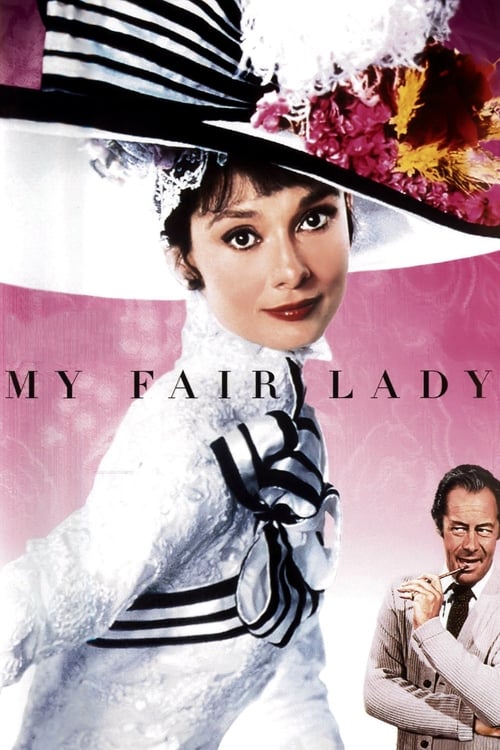
My Fair Lady
1964
No user ratings available yet
Representation score: 2.5 out of 10
Representation Score
Fair
1938
ApprovedDirector
Anthony Asquith, Leslie Howard
Runtime
96 minutes
Average Rating
No ratings yetNew Showbiz Analysis
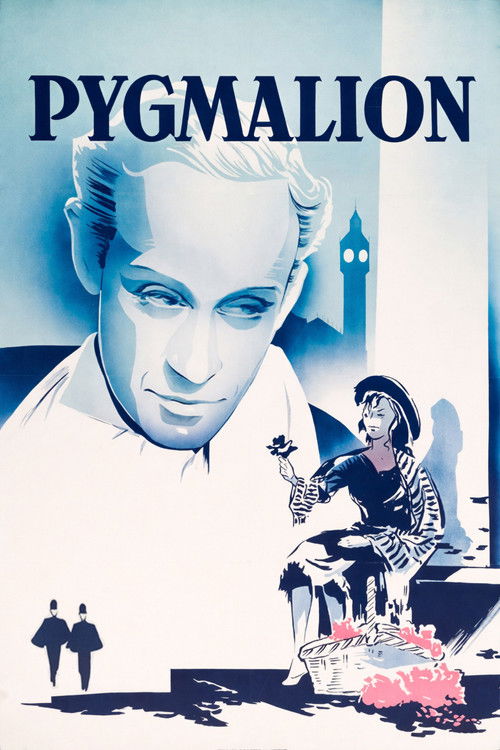
Pygmalion is a nuanced exploration of social stratification that uses language to challenge expectations of class stability. Despite being limited by its historical setting, the film remains intellectually progressive through its narrative structure. Its primary strength lies in emphasizing female empowerment and psychological growth. It also subverts rigid British class hierarchies and critiques social etiquette as a tool of power. However, the absence of racial and LGBTQ+ diversity reflects the era's social limitations. The film operates within a narrow, homogeneous British social context.
Category Breakdown
The film does not include any LGBTQ+ characters or explore non-straight relationships. Romantic and social dynamics are confined to traditional heterosexual relationships typical of the 1930s.
Eliza Doolittle's journey provides a strong subversion of gender hierarchies. She evolves from a passive figure to an independent woman, challenging Higgins's condescending attitude and intellectual dominance.
The cast is predominantly white, reflecting the demographics of 1930s London. There are no significant roles for non-white or diverse ethnic characters.
The narrative sharply critiques the British class system. It dismantles nobility as a mere performance rather than a genuine moral or biological status.
The film does not feature any prominent characters with physical or neurodivergent disabilities. Characters are portrayed using the standard able-bodied and neurotypical archetypes of the time.
Present on Screen
Limited or Absent
Official Synopsis
When linguistics professor Henry Higgins boasts that he can pass off Cockney flower girl Eliza Doolittle as a princess with only six months' training, Colonel George Pickering takes him up on the bet. Eliza moves into Higgins's home and begins her rigorous training after the professor comes to a financial agreement with her dustman father, Alfred. But the plucky young woman is not the only one undergoing a transformation.
1964
1950
1983
1956
1960

1933
2006
1961
No reviews yet. Be the first to share your thoughts on this movie!
Use the rating form above to leave a star rating and optional review.