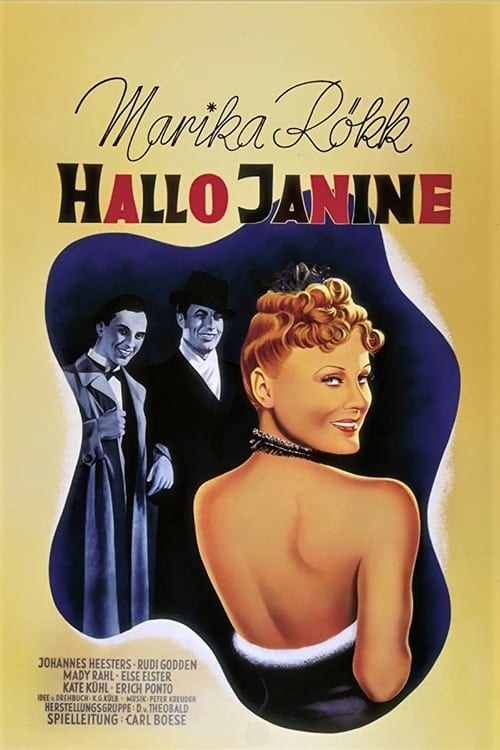
Hallo Janine
1939
No user ratings available yet
Representation score: 2.0 out of 10

Representation Score
Fair
1933
Director
Reinhold Schünzel
Runtime
99 minutes
Average Rating
No ratings yetNew Showbiz Analysis
Reinhold Schünzel’s musical comedy is a fascinating study of identity fluidity. By using a 'comedy of errors' framework, the film examines how gender is constructed and performed in a professional setting. The film excels in its subversion of gender roles, granting the female lead a level of control and economic autonomy rarely seen in contemporary cinema. However, these thematic strengths are offset by a lack of racial and ethnic diversity. Ultimately, the film serves as a notable precursor to modern discussions on gender, even while remaining rooted in the homogeneous social standards of its era.
Category Breakdown
The film focuses on a woman who adopts a male persona to navigate the music hall circuit, disrupting assumptions about gender and exploring diverse gender presentations through sophisticated comedy.
The protagonist uses gender disguise to gain professional autonomy, demonstrating strategic intelligence and playing a key role in navigating the patriarchal structures of the 1930s.
The production features a largely homogeneous cast typical of Weimar-era European cinema. There is no evidence of significant racial or ethnic diversity or intentional non-white casting.
Set within a secular, bohemian cabaret circuit, the film frames identity as performative, using deception as a tool for professional survival rather than a moral failing.
The narrative does not include any characters with visible or invisible disabilities being used as plot devices or subjects of mockery.
Present on Screen
Limited or Absent
Official Synopsis
Aspiring singer Susanne takes over one night for her sick friend, a small-time female impersonator, and finds unexpected fame when everyone believes that she is actually a man. While touring London, complications arise as a local womanizer catches on to her game.
1939
1982
1930
1957
1947
2005

1936
1938
No reviews yet. Be the first to share your thoughts on this movie!
Use the rating form above to leave a star rating and optional review.