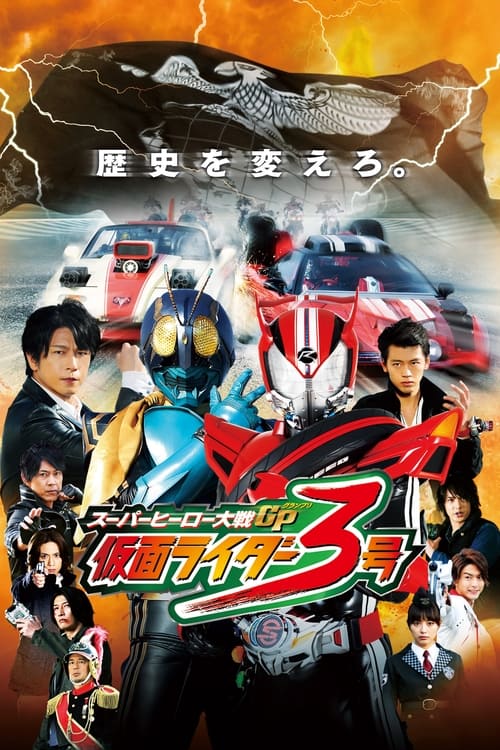
Super Hero Wars GP: Kamen Rider #3
2015
No user ratings available yet
Diversity score: 4.1 out of 10
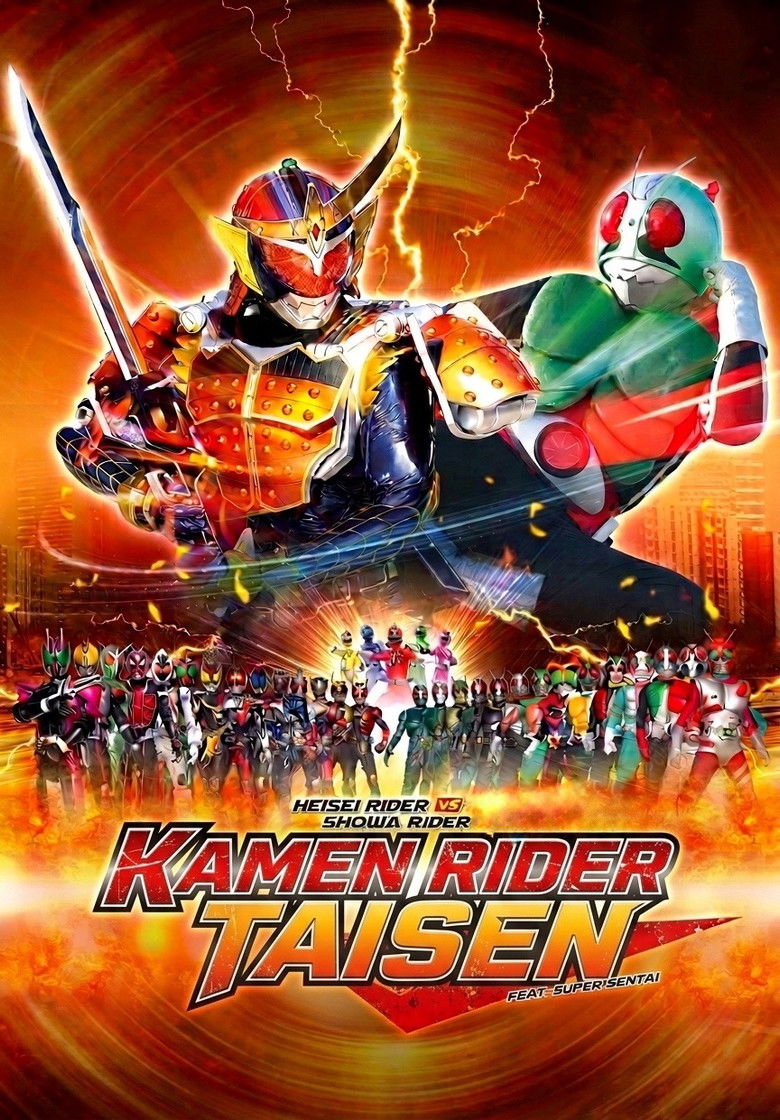
2014
Director
Takayuki Shibasaki
Runtime
98 minutes
Average Rating
No ratings yetSynopsis
The Underground Empire Badan makes its move, intending to invert the world. Kouta and Mai are pulled through one of these inversions where the discover a boy named Shu, who also holds the power to invert the world. As the Riders fight to protect Shu, Fifteen appears again, seeking Shu. As Kouta flees, past Riders gather and fight one another, split between the Showa and Heisei era Riders. But, the truth of Badan is not as it seems…
Overall Score
Limited
Category Breakdown
LGBTQ+ Representation
The film lacks explicit LGBTQ+ characters or narratives. The story focuses on heroic archetypes that adhere to conventional social structures.
Gender Representation
Heroism is primarily channeled through masculine archetypes in a male-dominated roster. While female characters like Mai appear, they often occupy supporting roles.
Racial & Ethnic Diversity
The cast is largely homogeneous, reflecting its status as a domestic Japanese production. The narrative prioritizes generational distinctions over ethnic or racial intersectionality.
Religious & Cultural Diversity
The story reinforces traditional notions of duty and heroism through a classic good-versus-evil paradigm. It upholds established moral dualism rather than critiquing social institutions.
Disability Representation
Characters are defined by superhuman abilities rather than human physical limitations. There is no evidence of characters with disabilities being portrayed with agency.
Strengths
Areas for Improvement
AI Analysis
This production functions as a traditional genre piece that prioritizes franchise continuity and established heroic legacies. The narrative architecture is designed to reinforce conventional expectations of heroism rather than disrupting social hierarchies. The film relies heavily on established tokusatsu tropes, focusing on the chronological conflict between Showa and Heisei eras. This emphasis on legacy comes at the expense of exploring intersectional identities or diverse social perspectives. Ultimately, the work serves as a celebration of franchise history, maintaining a focus on combat and superhuman prowess over nuanced social representation.
2015
2010

2012
2013
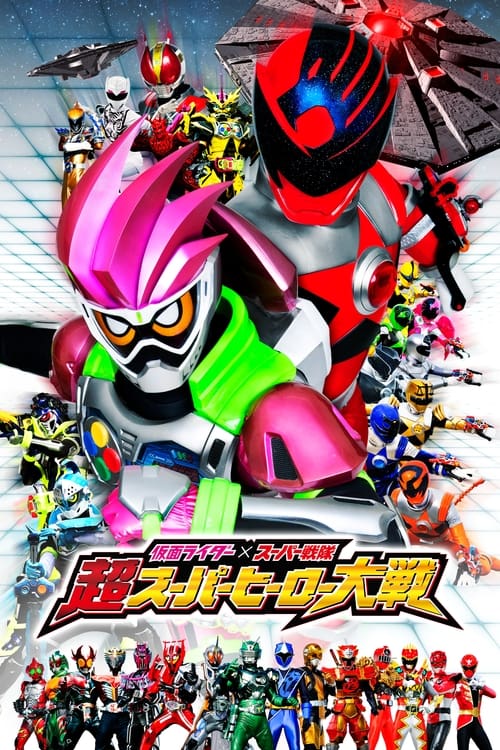
2017
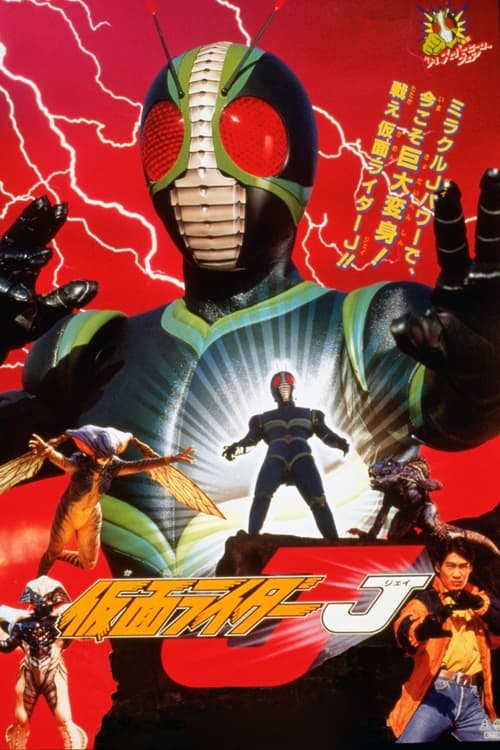
1994
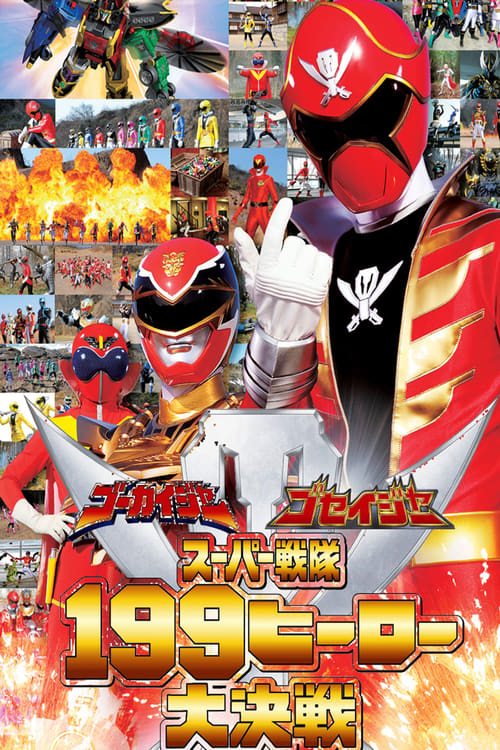
2011
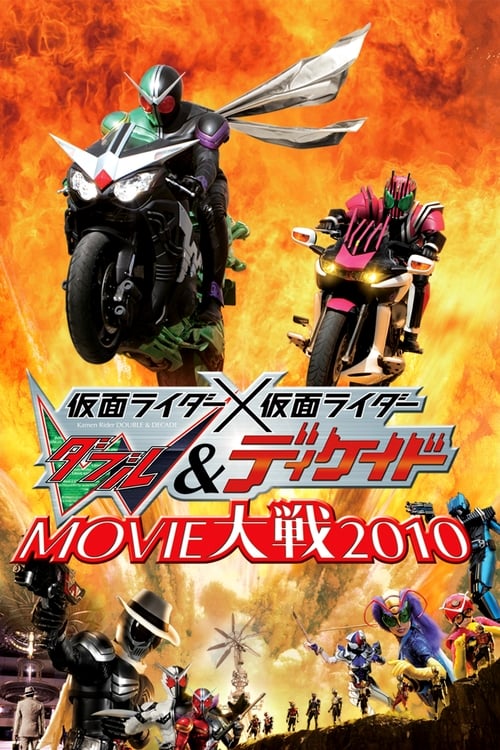
2009
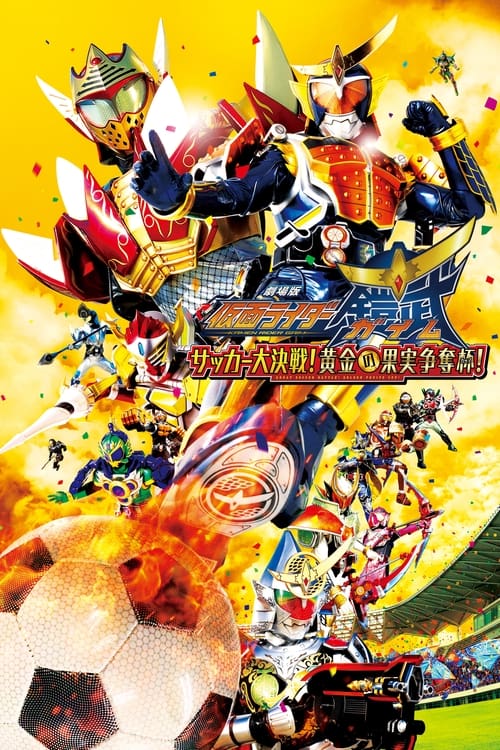
2014
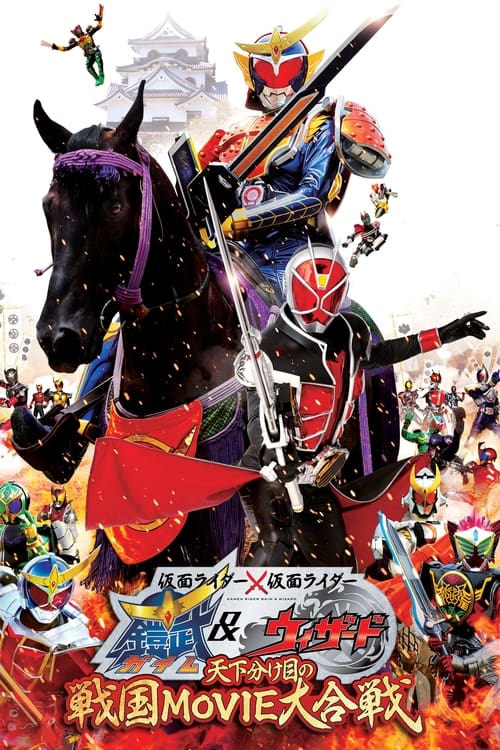
2013
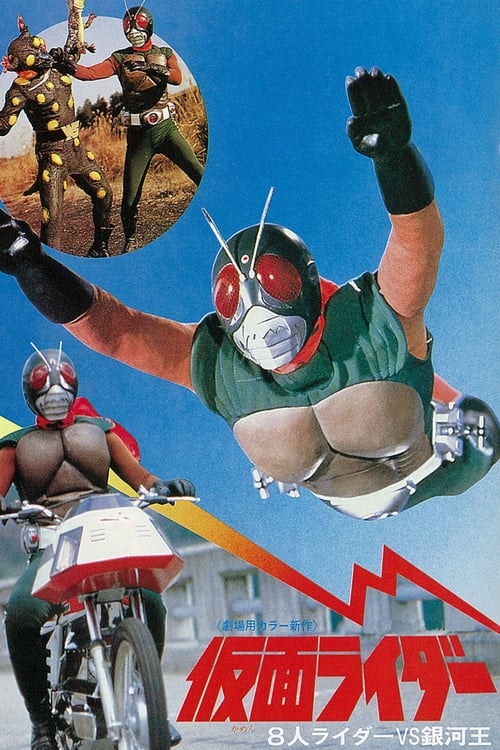
1980
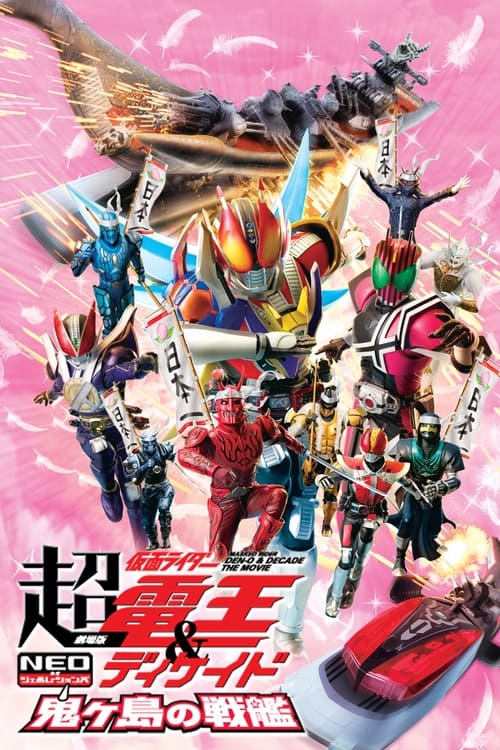
2009
No reviews yet. Be the first to share your thoughts on this movie!
Use the rating form above to leave a star rating and optional review.