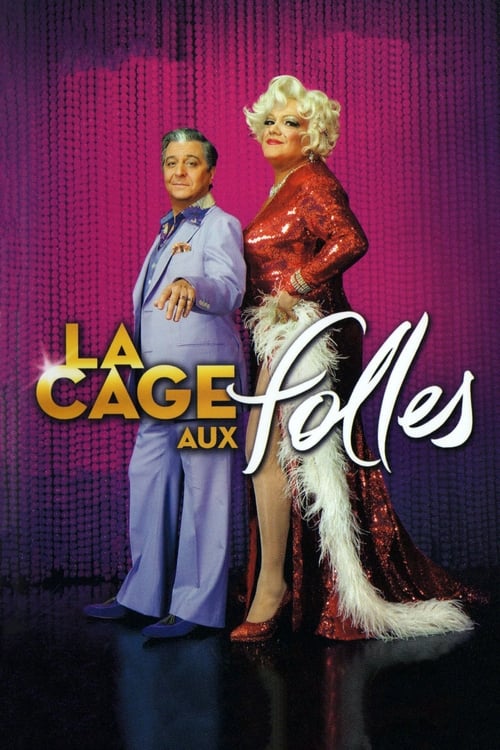
La Cage aux folles
2011
No user ratings available yet
Representation score: 4.5 out of 10
Representation Score
Fair
1985
PG-13Director
Georges Lautner
Runtime
87 minutes
Average Rating
No ratings yetNew Showbiz Analysis
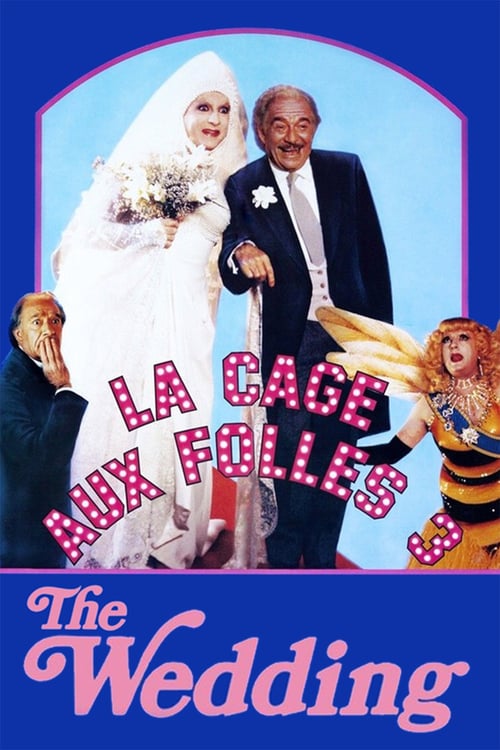
La Cage aux Folles 3 stands as a significant moment for queer visibility in mainstream European comedy. By centering a same-sex couple, the film moves beyond mere caricature to establish a stable, domestic queer identity. However, the film's progressive elements are tempered by its reliance on traditional social structures. The central conflict is driven by a legal requirement for heterosexual marriage, which reinforces conventional norms even while mocking them. Ultimately, the production is a product of its time, offering high visibility for LGBTQ+ characters while remaining homogeneous in terms of race and lacking multi-layered depth.
Category Breakdown
The film centers on a same-sex domestic partnership between Albin and André, who serve as the emotional core. This portrayal challenges traditional assumptions about relationships by focusing on a queer couple.
Gender is used humorously through drag performances and exaggerated feminine traits. However, the plot depends on traditional marriage structures to create the main conflict.
The cast is mostly white and reflects the demographics typical of 1980s European cinema. There is little effort to diversify the Saint-Tropez setting.
The story focuses on wealthy and socially prominent characters without critiquing the institutions that shape their lives. It lacks a deeper examination of the societal structures that influence the characters.
There are no significant portrayals of physical or neurodivergent disabilities. Characters are defined by their social roles and comedic personalities.
Present on Screen
Limited or Absent
Official Synopsis
Third and final version of the La Cage aux Folles series has Renato's drag queen lover Albin learning that he can inherit a vast fortune from a distant relative. But the catch is that Albin must marry (a woman) and produce a heir within a year or the whole inheritance will be forfeited.
2011
1978

1980

1995
1982
1981

2004

2005
No reviews yet. Be the first to share your thoughts on this movie!
Use the rating form above to leave a star rating and optional review.