La Cage aux Folles
1978
No user ratings available yet
Representation score: 6.5 out of 10
Representation Score
Good
1991
Not RatedDirector
Monika Treut
Runtime
82 minutes
Average Rating
No ratings yetNew Showbiz Analysis
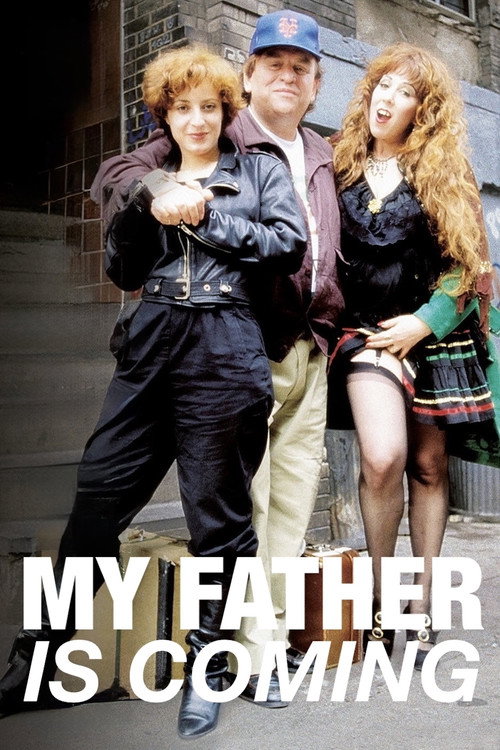
Monika Treut’s comedy serves as a sophisticated critique of the nuclear family and straight-centered expectations. By centering a lesbian protagonist whose conflict stems from familial pressure, the film moves beyond including someone from a minority group without giving them real depth to make queer identity the core of its social ecosystem. The film excels in its portrayal of sexual and gender diversity, using humor to dismantle traditional hierarchies. However, the narrative remains largely confined to a Western cultural lens, lacking significant racial or ethnic diversity.
Category Breakdown
The film centers around a lesbian protagonist and includes various LGBTQ+ identities such as gay and transgender characters. It uses a gay character to represent a husband, cleverly commenting on the performative nature of traditional domestic life.
Vicky is a complex female protagonist who navigates professional instability and patriarchal expectations. The narrative avoids submissive stereotypes, instead highlighting her active role in managing her reality and social maneuvering.
The story focuses primarily on a European and Western social setting. There is little evidence of significant racial or ethnic diversity within the main cast or narrative structure.
The film critiques rigid Western family structures by prioritizing queer-centric social bonds over traditional lineage. It frames the protagonist's deception as a survival mechanism for maintaining autonomy rather than a moral failing.
The film does not provide enough information to assess the representation of physical or neurodivergent disabilities.
Present on Screen
Limited or Absent
Official Synopsis
Vicky, an out-of-work actress, struggling waitress and lesbian has her whole life thrown into turmoil when her father comes from Germany to visit. The main problem is that Vicky has told him she is a successful actress and happily married. She enlists the help of a gay friend to play her husband. Using a large range of characters—gay, lesbian, straight, transsexuals—the film creates a funny and touching view of family dynamics and sexuality.
1978
2013

1999

1994
1995

2014
1996
1998
No reviews yet. Be the first to share your thoughts on this movie!
Use the rating form above to leave a star rating and optional review.