
Be Good All Your Life
1960
No user ratings available yet
Diversity score: 3.8 out of 10

1965
Director
László Ranódy
Runtime
93 minutes
Average Rating
No ratings yetSynopsis
Based on a novel by Dezso Kosztolani, this Hungarian drama is set at the turn of the 20th century. A young, homely woman lives at home with her mother and retired father. Because of all the care the girl provides for her parents, the couple becomes detached from the world outside their home. When the girl leaves for a short visit to her uncle's home, the parents realize the extent of their separation from society and their selfish feelings toward their own daughter.
Overall Score
Limited
Category Breakdown
LGBTQ+ Representation
The film adheres to traditional romanticism and heteronormative structures. It lacks any depiction of non-cisnormative identities or same-sex intimacy.
Gender Representation
The story centers on a female protagonist navigating domestic constraints. It explores her emotional autonomy and the psychological toll of her labor within a patriarchal setting.
Racial & Ethnic Diversity
Casting reflects the homogeneous ethnic landscape of turn-of-the-century Hungary. The production prioritizes historical accuracy over racial or ethnic plurality.
Religious & Cultural Diversity
The narrative critiques the traditional family unit as a restrictive institution. It explores the friction between individual desire and rigid social hierarchies.
Disability Representation
There are no discernible depictions of physical or neurodivergent disabilities driving the narrative.
Strengths
Areas for Improvement
AI Analysis
Skylark is a period drama that functions as a character study of female agency. While it lacks modern intersectional breadth, it offers a nuanced look at how domestic structures can foster isolation and selfishness. The film succeeds in disrupting the trope of the passive female by focusing on the protagonist's emotional evolution. However, it remains limited by the homogeneous social landscape of its historical setting. Ultimately, the film's strength lies in its psychological depth rather than its demographic variety.
1960

1973

1982

1973

1976
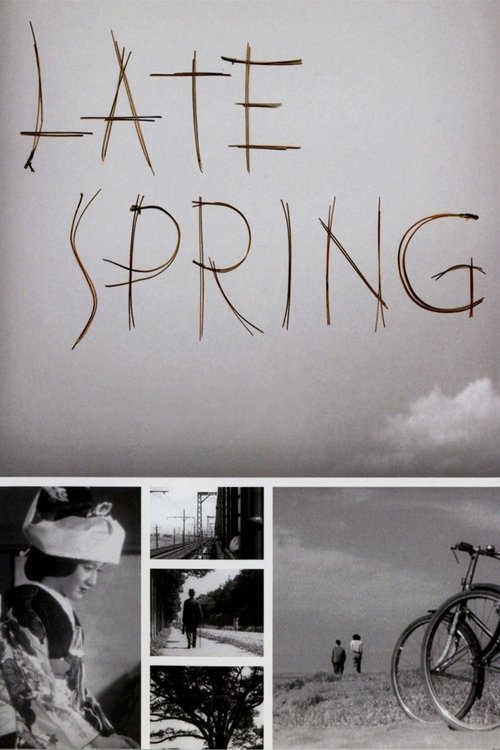
1949

1965

2008
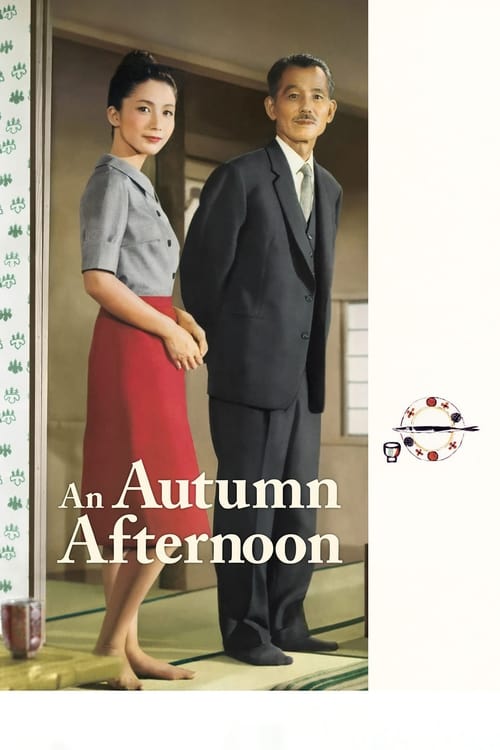
1962
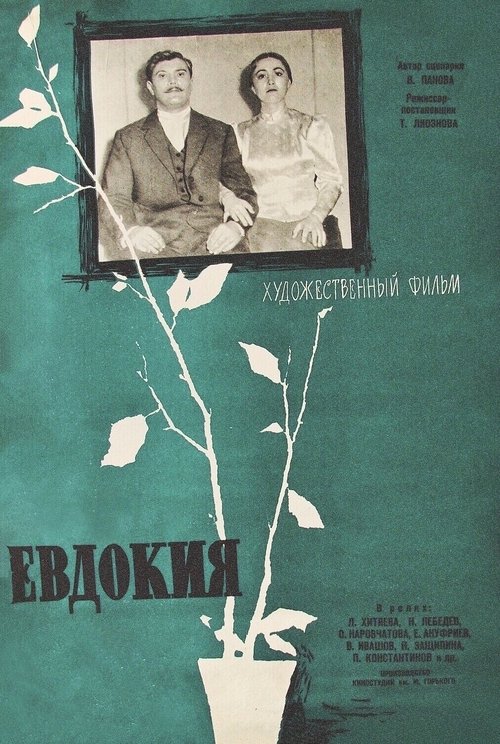
1961

2016
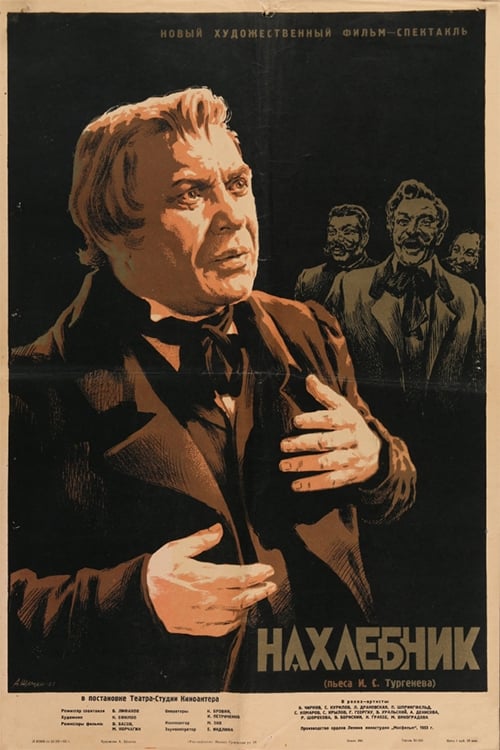
1953
No reviews yet. Be the first to share your thoughts on this movie!
Use the rating form above to leave a star rating and optional review.