
The Return of Vasili Bortnikov
1953
No user ratings available yet
Representation score: 3.2 out of 10
Representation Score
Limited
1953
SDirector
Vladimir Basov, Boris Lifanov
Runtime
100 minutes
Average Rating
No ratings yetNew Showbiz Analysis
The Parasite reflects its 1953 Soviet cinematic context, emphasizing state-approved social dynamics over modern perspectives that reflect multiple aspects of identity. The film's structure relies heavily on traditional class hierarchies and domestic pairings, limiting opportunities for diverse identity representation. While the main female character holds some influence due to her status as a landowner, the film remains confined by the social norms of its time. It serves more as an examination of mid-century class structures than a progressive critique of social norms. Overall, the film lacks the complexity needed for contemporary diversity standards, focusing instead on the specific social and cultural norms of its era.
Category Breakdown
The film does not include any non-straight relationships or same-sex intimacy. It focuses on traditional marriage, reinforcing the idea that everyone is assumed to be straight.
A woman owns land and has influence over her social standing. However, her relationship with her husband indicates adherence to typical mid-century domestic roles.
The setting and time period suggest a society without much ethnic diversity. There are no characters from different ethnic backgrounds in the story.
The themes center around class differences and the concept of the 'parasite' within Soviet social theory. The story emphasizes traditional landownership and estate life rather than modern multi-layered views.
There is no information about characters with physical or neurological differences in the narrative.
Present on Screen
Limited or Absent
Official Synopsis
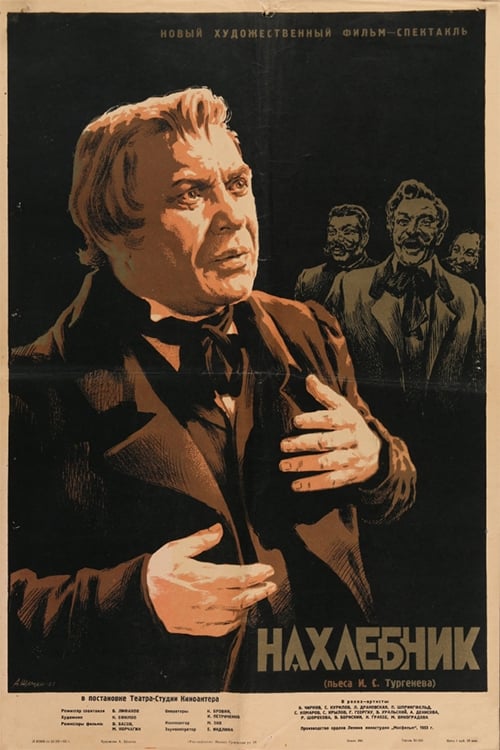
After a long absence from St. Petersburg, a young landowner Yeletskaya comes to her estate with her husband.
1953

1930
1957
1997
1972

1982
1959
1955
No reviews yet. Be the first to share your thoughts on this movie!
Use the rating form above to leave a star rating and optional review.