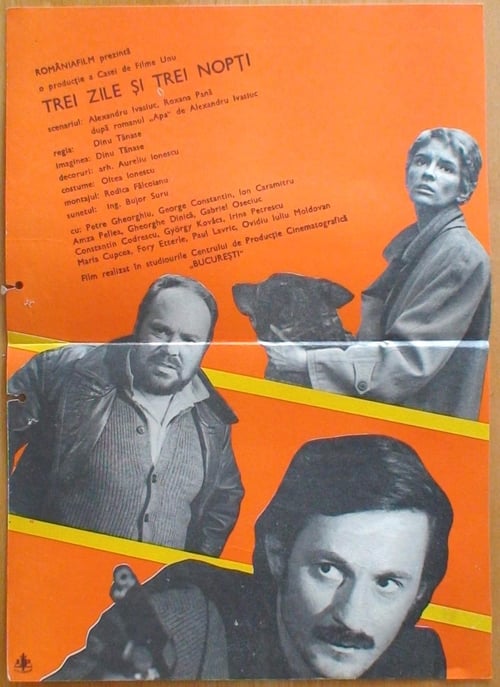
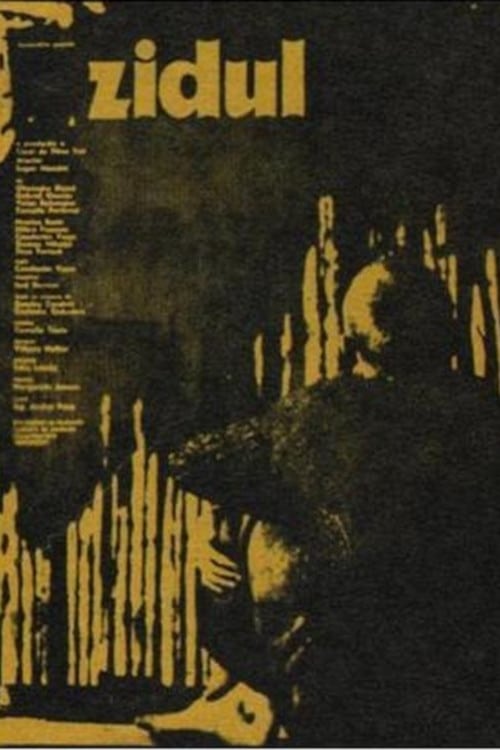
The Siege
1971
No user ratings available yet
Representation score: 2.7 out of 10
Representation Score
Limited
1976
Director
Dinu Tănase
Runtime
105 minutes
Average Rating
No ratings yetNew Showbiz Analysis
The film primarily serves as a vehicle for ideological transition, focusing on the shift towards communist social structures in post-war Romania. While it offers a strong depiction of collectivist ideology and the rejection of old political hierarchies, it lacks depth in representing diverse identities. The narrative is limited by the era's emphasis on militant and political mobilization.
Category Breakdown
The film does not include any representation of LGBTQ+ identities or same-sex relationships. It focuses on the socio-political conflicts of the mid-1940s, which prioritize traditional heterosexual relationships.
Men play a significant role in the film, particularly in militant and political structures. Women are also present but are primarily shown in combat and mobilization roles.
The setting in Northern Transylvania suggests a cast that is ethnically homogeneous compared to the local population. There is no indication of diverse racial representation.
The film effectively shows the dismantling of traditional power structures. It highlights the success of a communist organization in rallying the local population.
There is no information about the portrayal of physical or neurodivergent disabilities in the narrative.
Present on Screen
Limited or Absent
Official Synopsis
In 1946, Northern Transylvania, an armed band is annihilated by the local communist organization, which manages to rally the locals on they side.
1971
1930
1960
1985
1968
1974
1975
1967
No reviews yet. Be the first to share your thoughts on this movie!
Use the rating form above to leave a star rating and optional review.