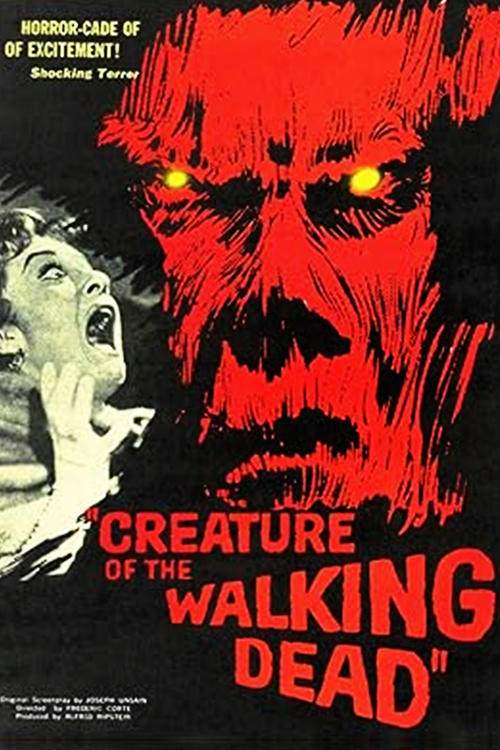
Creature of the Walking Dead
1965
No user ratings available yet
Diversity score: 2.4 out of 10
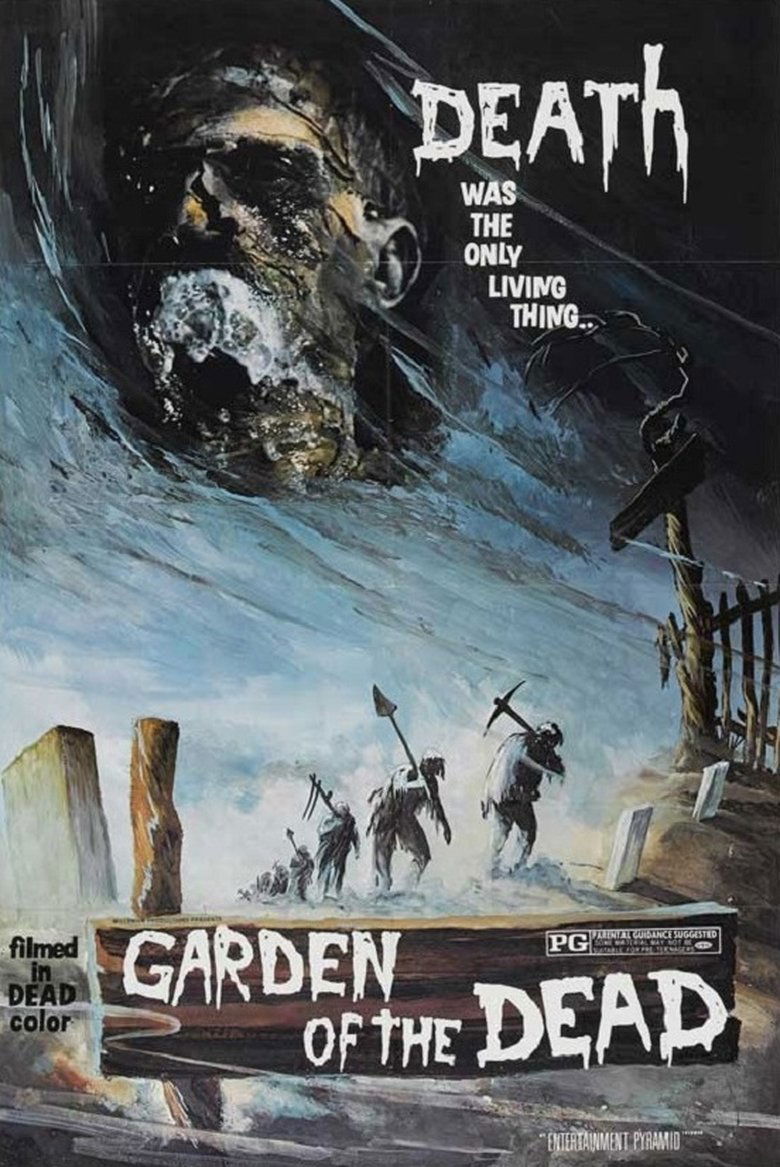
1972
PGDirector
John Hayes
Runtime
58 minutes
Average Rating
No ratings yetSynopsis
Convicts on a chain gang sniff formaldehyde fumes to get high. They attempt a prison break and are shot down by the guards. After being buried, they rise from the dead, killing all in their path with shovels and hoes.
Overall Score
Limited
Category Breakdown
LGBTQ+ Representation
The film lacks any evidence of LGBTQ+ characters or non-cisnormative identities. The narrative focuses on a traditional horror premise that provides no space for queer storytelling.
Gender Representation
The story centers on a male-dominated ensemble of convicts. There is no indication of female characters in positions of authority or the subversion of traditional gender hierarchies.
Racial & Ethnic Diversity
While the chain gang setting implies a specific socio-economic context, there is no clear evidence of nuanced characters of color. The score reflects the potential for representation within the trope.
Religious & Cultural Diversity
The plot follows standard horror tropes of crime and supernatural retribution. It lacks an anti-institutional critique, instead leaning into the visceral morality themes common in 1970s exploitation cinema.
Disability Representation
The film provides no information regarding the inclusion or portrayal of characters with physical, neurodivergent, or mental health disabilities.
Strengths
Areas for Improvement
AI Analysis
Garden of the Dead is a genre-driven exploitation piece that prioritizes visceral horror over social complexity. The narrative architecture relies on established 1970s tropes, focusing on a chain gang of convicts and their supernatural resurrection. The film lacks intentionality regarding intersectional storytelling or the disruption of social hierarchies. It functions as a utilitarian horror production where characters serve the plot's macabre progression rather than representing diverse lived experiences. Ultimately, the work remains rooted in traditional archetypes. It offers little engagement with progressive themes, resulting in a narrow focus on a male-dominated, crime-and-punishment centered narrative.
1965
1989

1983
1967
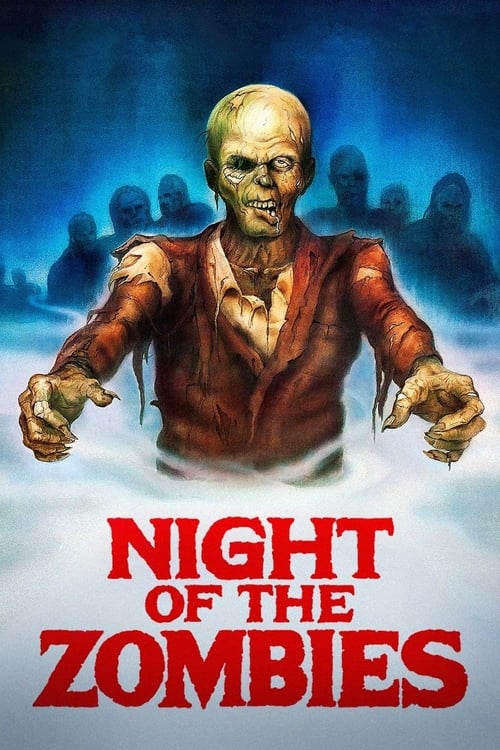
1980
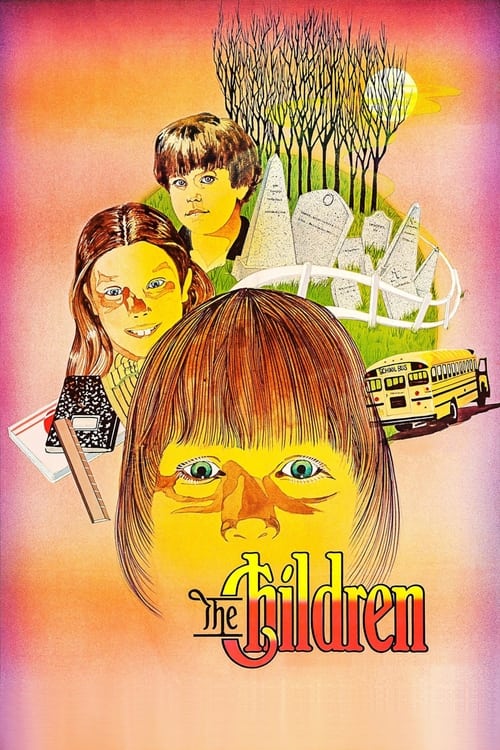
1980
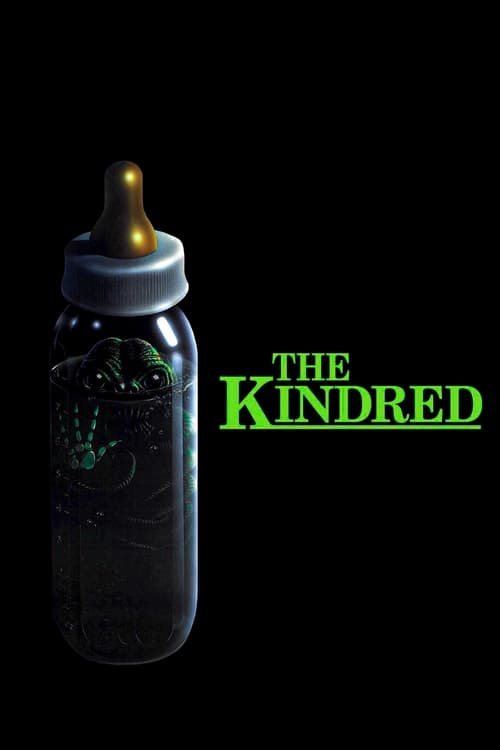
1987

1989
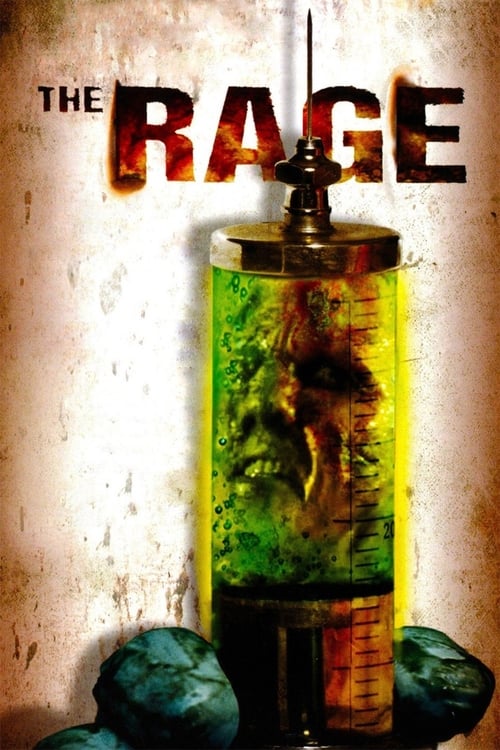
2007
2003

1941
1969
No reviews yet. Be the first to share your thoughts on this movie!
Use the rating form above to leave a star rating and optional review.