Tangier
2006
No user ratings available yet
Representation score: 5.7 out of 10
Representation Score
Good
1989
Director
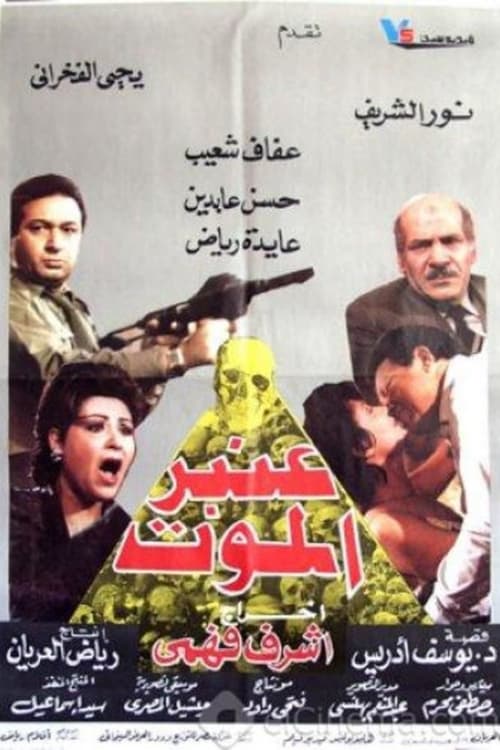
Ashraf Fahmy
Runtime
105 minutes
Average Rating
No ratings yetNew Showbiz Analysis
The Death Ward is a social thriller that emphasizes systemic critique over diverse identity representation. Its strength lies in examining the tension between institutional corruption and personal morality, particularly through its anti-capitalist perspective. While the film showcases progressive elements such as female intellectual empowerment, it remains tied to the traditional genre conventions of its time. The use of masculine archetypes for resolving the main conflict limits its gender subversion. Overall, the film serves as a focused study of class and ethical dilemmas rather than a broad exploration of varied identities.
Category Breakdown
The film does not include any LGBTQ+ characters or non-straight relationships. It adheres to the conventional social norms of late-1980s Egyptian cinema.
Nabila challenges gender hierarchies by taking the lead in investigating the case. However, the story ultimately resolves around masculine ideals of justice through the officer's actions.
The cast is culturally uniform, reflecting the domestic Egyptian production. The film highlights class-based conflicts rather than addressing racial diversity.
The film critiques capitalist greed and institutional failures, exploring moral relativism through a protagonist who opts for vigilante justice over formal legal systems.
Children are portrayed as symbolic victims due to the food crisis, lacking individual ability to act or detailed representations of disability. They primarily function as plot devices.
Present on Screen
Limited or Absent
Official Synopsis
Tawfiq imports spoiled food for children which causes thousands of children to fall ill. Despite the efforts of the journalist Nabila to expose him, he is able to escape abroad, so the officer in charge, Fouad, decides to take the law into his own hands.
2006

2010
1987

2014
1989
1996

2013
2009
No reviews yet. Be the first to share your thoughts on this movie!
Use the rating form above to leave a star rating and optional review.