Headnoise
2002
No user ratings available yet
Representation score: 6.9 out of 10
Representation Score
Fair
2006
Director
Frank van Mechelen
Runtime
105 minutes
Average Rating
No ratings yetNew Showbiz Analysis
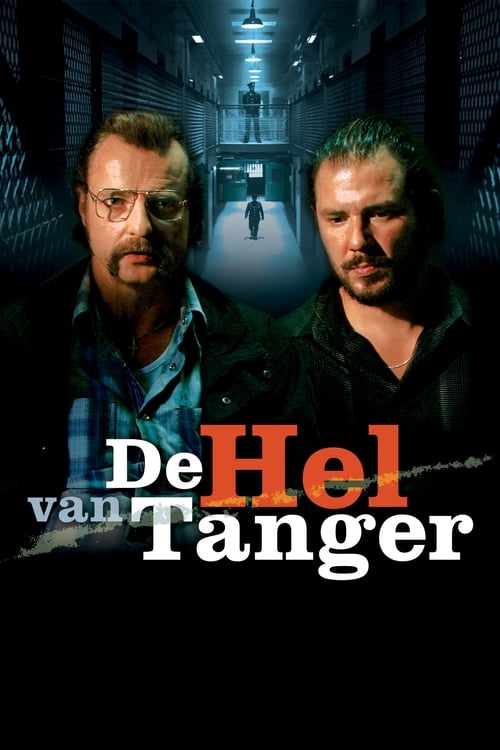
Tangier is a gritty, survivalist drama that prioritizes geopolitical critique over identity-based storytelling. It focuses on individuals struggling against indifferent, corrupt bureaucracies. The film deconstructs the reliability of state institutions, highlighting failures of Western governments to protect citizens abroad and systemic corruption within North African legal systems. While the film lacks diversity in terms of gender or LGBTQ+ representation, it excels as a narrative of systemic oppression. It focuses on institutional negligence rather than exploring multiple aspects of identity.
Category Breakdown
The film does not include any LGBTQ+ characters or narratives. The story revolves around two male protagonists surviving in a harsh environment.
The narrative centers on a male-dominated world of bus driving and prison life. While families are mentioned, the male leads retain control within a traditional family structure.
The story depicts a conflict between Belgian citizens and Moroccan institutions. Moroccan officials act as the main obstacles to the protagonists' survival.
The film criticizes institutional failures and state neglect. It portrays both Moroccan legal systems and Belgian government bodies as indifferent or corrupt.
Physical suffering and a lack of medical care are central to the prison experience. However, no characters are shown with specific disabilities or ability to act related to disability.
Present on Screen
Limited or Absent
Official Synopsis
In August 1996, bus drivers Marcel Van Loock and Wim Moreels are apprehended by the Moroccan Customs for drug trafficking. Inside their bus, hidden behind a false compartment, they have discovered 700 pounds of hashish. Although the owner of the bus company is arrested as well and makes a full confession clearly indicating that both drivers were unaware of the hidden drugs, the Moroccan judge sentences both men to 5 years in the Moroccan prison of Tangiers. Nothing could have prepared the two men for life inside a Moroccan prison. Without food, clothes or medical care, they must learn how to take care of themselves to survive their stay in prison. Corrupt guards, corrupt lawyers and judges, a consul who doesn't care and frequent beatings are only part of the terrible prison. Meanwhile their families at home are left without any information, any help or any hope - finding out that their own government doesn't care for Belgian people in prisons abroad.
2002
2022

1999
2022

1978
2006
2019
2006
No reviews yet. Be the first to share your thoughts on this movie!
Use the rating form above to leave a star rating and optional review.