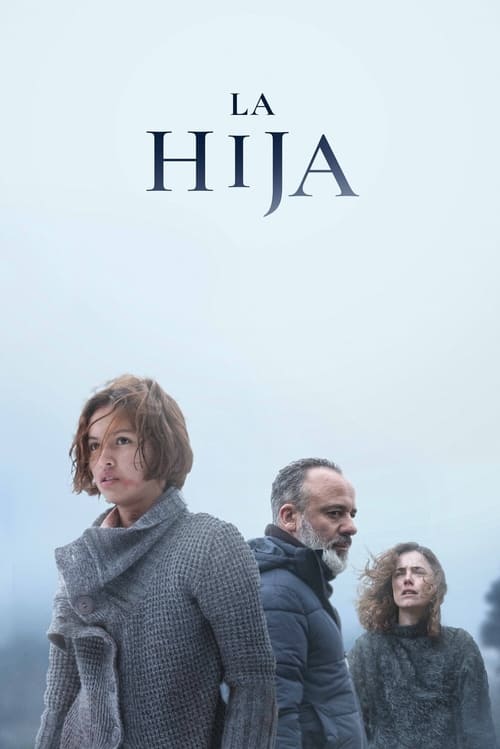
The Daughter
2021
No user ratings available yet
Representation score: 5.8 out of 10
Representation Score
Excellent
2013
RDirector
Francesc Morales
Runtime
82 minutes
Average Rating
No ratings yetNew Showbiz Analysis
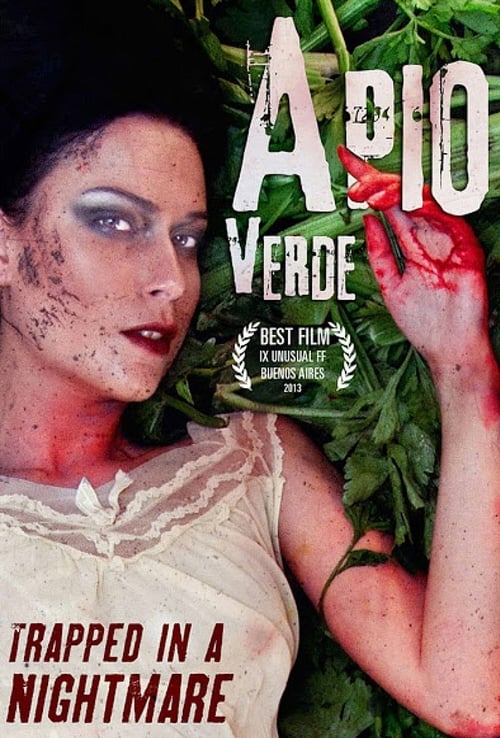
Apio Verde is a social realist drama that centers on the intersection of gender, law, and bodily autonomy. By focusing on a woman's struggle with restrictive abortion laws in Chile, the film prioritizes a critique of institutional authority over traditional escapism. The film excels in its cultural and gendered perspectives, using a specific South American socio-legal landscape to challenge dogmatic morality. It shifts the focus from patriarchal stability to the lived experience of female biological reality. However, the narrative remains narrow in its demographic scope. While it tackles profound ethical issues, it lacks explicit LGBTQ+ representation and relies on a specific medical condition to drive its central conflict.
Category Breakdown
The film focuses on a maternal crisis within a framework that assumes everyone is straight or cisgender. There are no specific LGBTQ+ characters or identities explicitly depicted in the narrative.
The story centers on women's ability to drive the narrative and the physiological realities of womanhood. It explores the tension between female biological reality and state-imposed legal restrictions.
Set in Chile, the film provides a non-Western perspective on medical ethics. It moves away from homogeneous Hollywood narratives by focusing on a South American landscape.
The narrative critiques institutional structures and religious-influenced legal frameworks. It portrays state authority as an oppressive force infringing upon individual bodily autonomy.
A fetal brain malformation serves as the primary narrative catalyst. The film explores the medical and ethical implications of a non-viable life.
Present on Screen
Limited or Absent
Official Synopsis
Adriana finds out the son she's expecting suffers a brain malformation that won't allow him to live outside her womb. As therapeutic abortion is illegal in Chile, she must wait until her baby is naturally born.
2021

2010

2023
2009
2015
2004
2015

2017
No reviews yet. Be the first to share your thoughts on this movie!
Use the rating form above to leave a star rating and optional review.