
Sanders of the River
1935
No user ratings available yet
Representation score: 0.8 out of 10
Representation Score
Limited
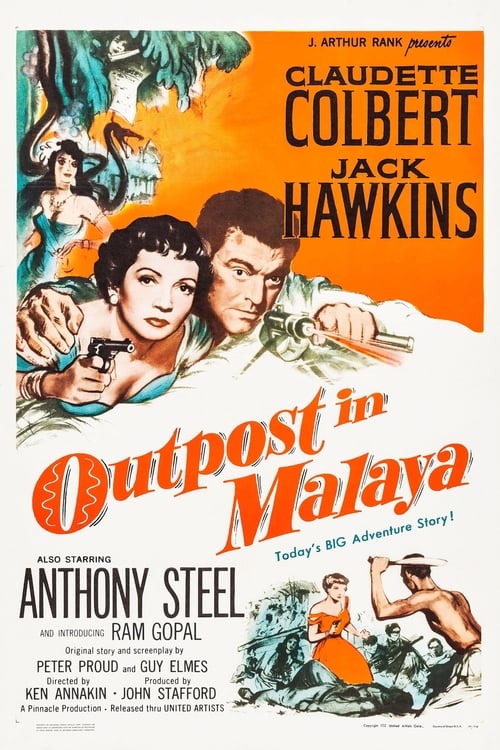
1952
Director
Ken Annakin
Runtime
88 minutes
Average Rating
No ratings yetNew Showbiz Analysis
The film explores the domestic life of colonial society in 19th-century Ceylon. It highlights the tension between imperial social structures and personal relationships. While the central romantic conflict challenges some Western norms, the narrative stays within the established framework of colonial storytelling. Representation is limited by the era's social and racial hierarchies, focusing on the protagonist's personal journey rather than systemic critique.
Category Breakdown
The film does not include any identifiable LGBTQ+ characters or non-cisgender identities. Conflicts center around traditional heterosexual marriage and social norms.
The story unfolds within the traditional gender roles of mid-20th century society. Despite the female protagonist's strong emotional influence, the narrative remains rooted in patriarchal colonial structures.
The film challenges the typical white planter stereotype by focusing on a relationship between a British man and a local woman. However, this portrayal is viewed through a romanticized colonial perspective.
The story is deeply influenced by Western colonial values. It presents conflict as a personal struggle between duty and desire, rather than addressing systemic imperialism.
There are no significant depictions of physical or neurodivergent disabilities in the narrative.
Present on Screen
Limited or Absent
Official Synopsis
The wife of a rubber plantation owner must put her marriage problems on hold when her family is forced to defend themselves during a native uprising.
1935

1954
1962
1959
1956
1959

1942

1939
No reviews yet. Be the first to share your thoughts on this movie!
Use the rating form above to leave a star rating and optional review.