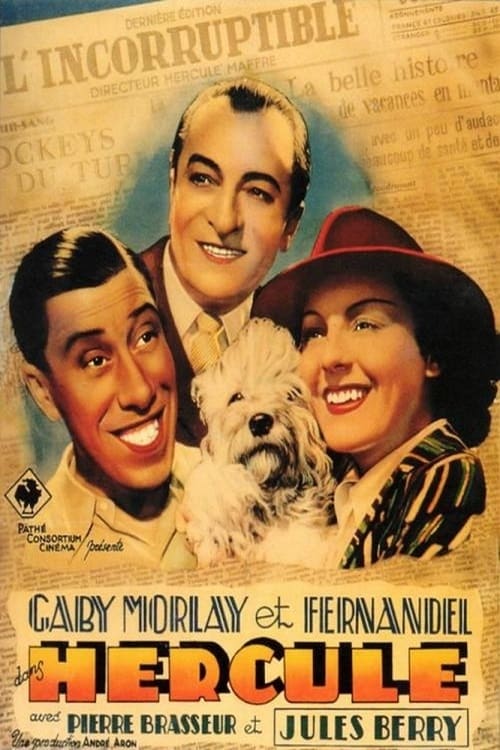
Hercule
1938
No user ratings available yet
Diversity score: 2.4 out of 10
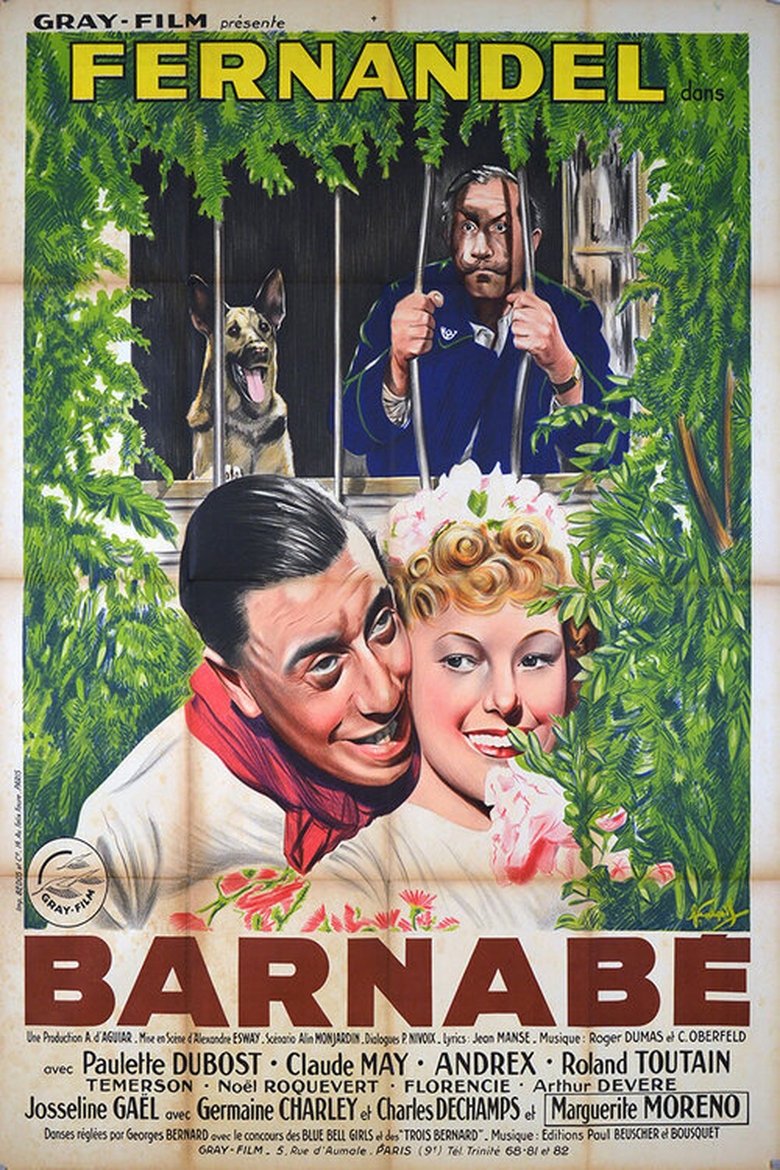
1938
Director
Alexander Esway
Runtime
95 minutes
Average Rating
No ratings yetSynopsis
Barnabé, an occasional flutist, goes to Mme Petit-Durand to organize her daughter's 20 years. But he is confused with the Count of Marengo whom Mme Petit-Durand wants to give as husband to her daughter, who has already made her choice.
Overall Score
Limited
Category Breakdown
LGBTQ+ Representation
The film centers on traditional courtship and matrimonial arrangements. There is no evidence of non-heteronormative identities or critiques of heteronormativity within the narrative.
Gender Representation
The female protagonist exercises agency by choosing her own partner, disrupting maternal authority. However, the plot remains anchored in domestic marriage negotiations and traditional gender roles.
Racial & Ethnic Diversity
The setting and character names suggest a European context. The narrative focuses on class distinctions between a flutist and a Count rather than ethnic or racial intersectionality.
Religious & Cultural Diversity
Themes revolve around class hierarchy and familial matrimonial planning. The conflict arises from friction between individual desire and established social expectations rather than deconstructing Western institutions.
Disability Representation
The film provides no mention of characters with visible or invisible disabilities.
Strengths
Areas for Improvement
AI Analysis
Barnabé is a period-specific comedy that relies heavily on established social hierarchies and traditional romantic tropes. The narrative conflict is driven by class distinctions and the tension between individual choice and parental authority. While the film offers a small degree of female agency through the daughter's romantic choice, it remains confined to a domestic, heteronormative framework. The story lacks any visible representation of racial, ethnic, or LGBTQ+ diversity. Ultimately, the film functions as a standard social comedy of its era, prioritizing class-based humor over progressive social disruption or intersectional storytelling.
1938
1932
1952
1932
1969
1955
1943
1943

2002
1935
1917
1947
No reviews yet. Be the first to share your thoughts on this movie!
Use the rating form above to leave a star rating and optional review.