
Thanks for the Memory
1938
No user ratings available yet
Diversity score: 2.2 out of 10

1936
PassedDirector
George Archainbaud
Runtime
72 minutes
Average Rating
No ratings yetSynopsis
An unfortunate marriage and a bogus Count are the ingredients for this musical.
Overall Score
Limited
Category Breakdown
LGBTQ+ Representation
The film lacks any evidence of non-heteronormative identities. It operates within the strict social censorship of 1936, offering no narratives that critique heteronormativity.
Gender Representation
The plot centers on an unfortunate marriage, a common trope of the era. While female characters might show wit, the film likely reinforces traditional domestic hierarchies.
Racial & Ethnic Diversity
The production reflects the homogeneous demographic standards of the 1930s. There is no indication of non-white ensembles or race-bent casting in this musical comedy.
Religious & Cultural Diversity
The story focuses on class status and European aristocracy through a bogus Count. This preoccupation reinforces traditional social hierarchies rather than critiquing Western institutions.
Disability Representation
There is no evidence of characters with physical or neurodivergent disabilities within the film's context.
Strengths
Areas for Improvement
AI Analysis
Hideaway Girl is a product of 1930s studio-era escapism, prioritizing traditional comedic tropes over social subversion. The narrative structure relies on established social hierarchies and conventional domestic themes common to the period. The film's focus on marriage and aristocratic status suggests a conservative approach to storytelling. It adheres to the era's standard demographic and cultural norms, offering little in the way of diverse representation or systemic critique. Ultimately, the musical functions as a standard comedy of its time, reinforcing the status quo rather than challenging it.
1938

1936
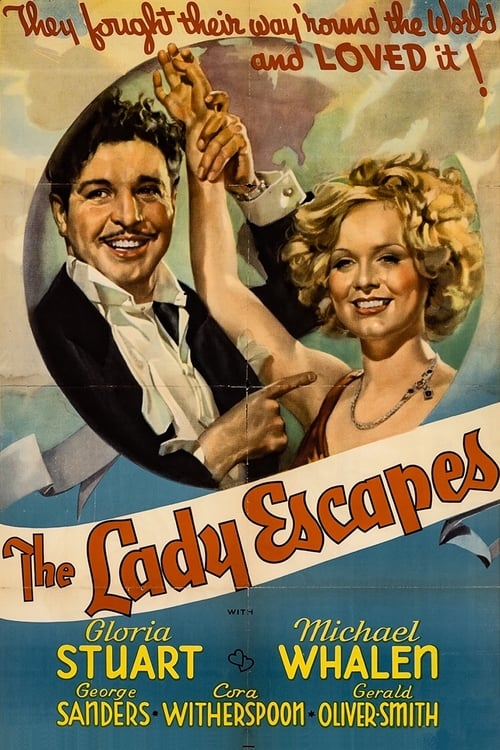
1937
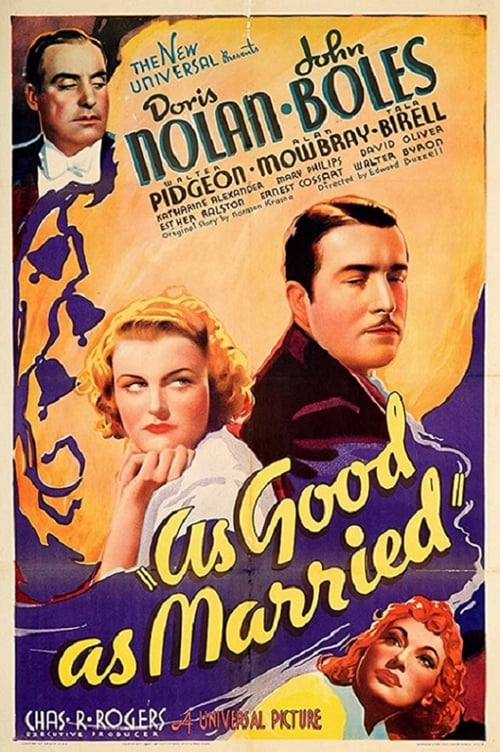
1937
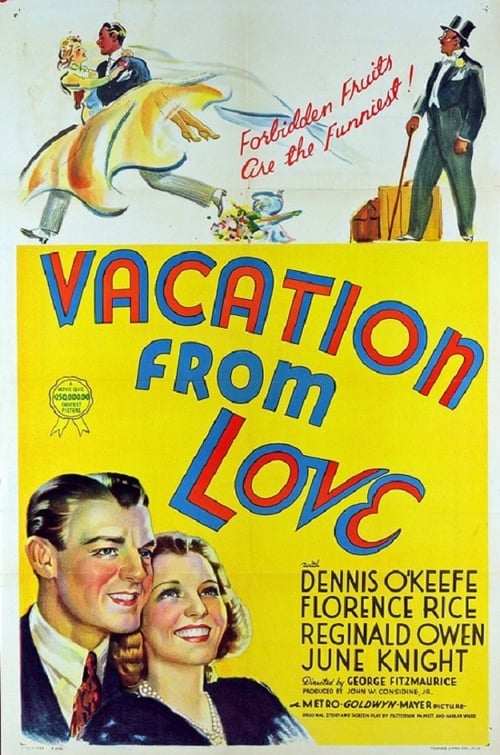
1938

1937
1943

1926

1937
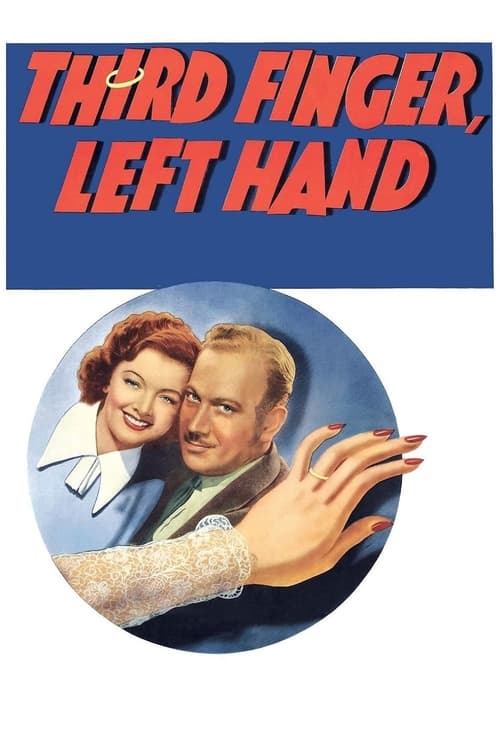
1940
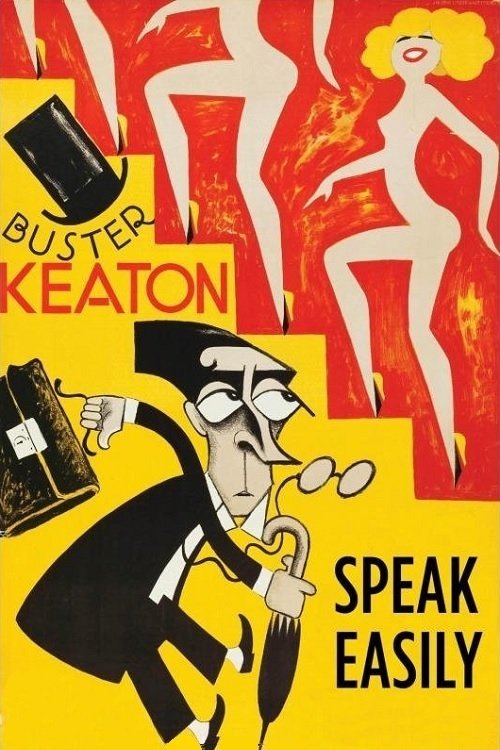
1932
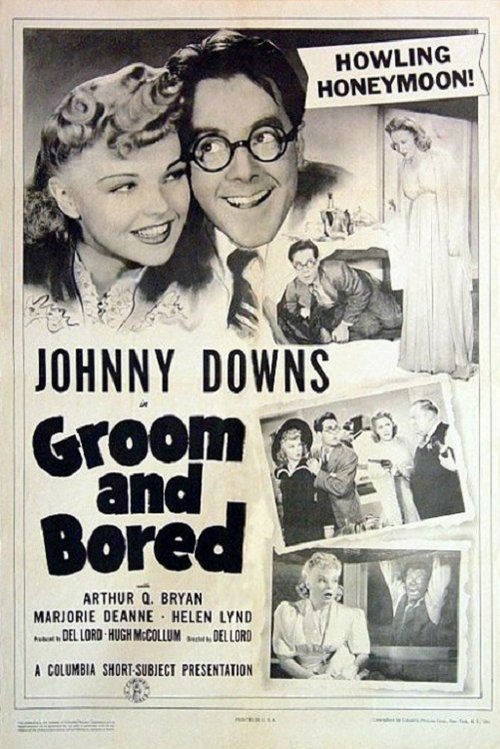
1942
No reviews yet. Be the first to share your thoughts on this movie!
Use the rating form above to leave a star rating and optional review.