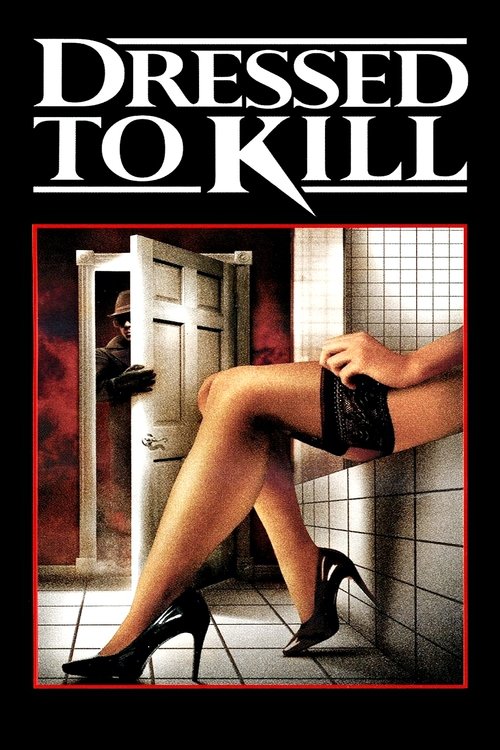
Dressed to Kill
1980
No user ratings available yet
Representation score: 5.8 out of 10
Representation Score
Limited
1973
RDirector
Brian De Palma
Runtime
93 minutes
Average Rating
No ratings yetNew Showbiz Analysis
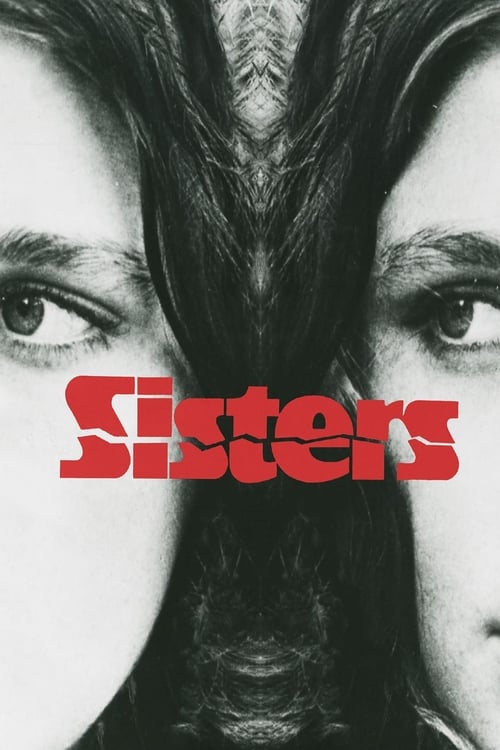
Brian De Palma’s *Sisters* showcases advanced technical skills and a sophisticated visual style. It uses split screens and voyeuristic motifs to question the nature of truth and suspense. However, the film operates within a limited social context. It prioritizes stylistic innovation and psychological complexity over addressing underrepresented identities or disrupting social hierarchies. Overall, the film adheres closely to the demographic and social norms of its time, focusing more on psychological depth than on challenging social structures.
Category Breakdown
The film does not depict any LGBTQ+ identities or queer relationships. The characters are shown within traditional family and social structures.
The story focuses on female characters and explores their psychological trauma and ability to act. However, it does not challenge traditional gender roles.
The cast and setting are mainly white and Anglo-Saxon. There are no characters of color or discussions about racial issues.
The film is primarily a character study focused on individual psychology rather than broader cultural or societal critiques.
The movie emphasizes themes of mental instability and fragmented personalities, often using the 'disturbed' archetype typical of 1970s horror.
Present on Screen
Limited or Absent
Official Synopsis
Inquisitive journalist Grace Collier is horrified when she witnesses her neighbor, fashion model Danielle Breton, violently murder a man. Panicking, she calls the police. But when the detective arrives at the scene and finds nothing amiss, Grace is forced to take matters into her own hands. Her first move is to recruit private investigator Joseph Larch, who helps her to uncover a secret about Danielle's past that has them both seeing double.
1980
1976
1978
1971
1975
1970

1987
1946
No reviews yet. Be the first to share your thoughts on this movie!
Use the rating form above to leave a star rating and optional review.