
What the Peeper Saw
1972
No user ratings available yet
Representation score: 1.9 out of 10
Representation Score
Limited
1972
Not RatedDirector
Silvio Amadio
Runtime
85 minutes
Average Rating
No ratings yetNew Showbiz Analysis
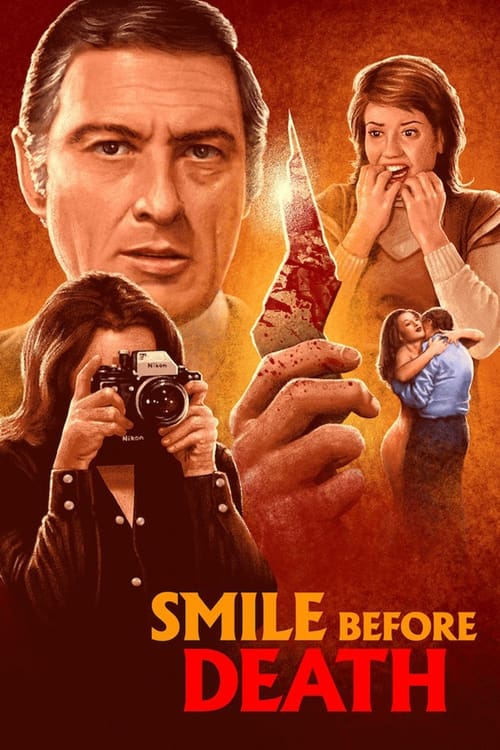
Smile Before Death operates as a standard genre piece of its era, prioritizing psychological tension over social commentary. It lacks significant diversity or varied casting, adhering to the demographic norms of 1970s European cinema. However, the film finds strength in its subversion of domestic hierarchies. By casting a teenage girl as the primary agent of suspicion against a male authority figure, it disrupts the traditional role of the male protector. Ultimately, the film's diversity is limited by its era and regional focus, though it offers a nuanced look at the breakdown of the traditional Western family structure.
Category Breakdown
The film does not include any explicit LGBTQ+ characters or non-straight identities. The story revolves around a fractured family structure involving a stepdaughter and stepfather.
A female protagonist drives the investigation, challenging the authority of her stepfather. This positions the teenage lead with a moderate degree of influence against patriarchal threats.
The production reflects the demographic norms of 1972 Italy. The cast appears homogeneous, with no evidence of non-white or racially diverse casting.
The story deconstructs the traditional family unit by framing the home as a site of corruption. It moves away from traditional moral certainties toward a more cynical atmosphere.
There is no documented evidence regarding the portrayal of physical or neurodivergent disabilities in this work.
Present on Screen
Limited or Absent
Official Synopsis
After the death of her mother under strange circumstances, a teenage girl quickly begins to suspect that her recently widowed stepfather may be involved.
1972

1974
1973

1971

1972

1976

2010

1986
No reviews yet. Be the first to share your thoughts on this movie!
Use the rating form above to leave a star rating and optional review.