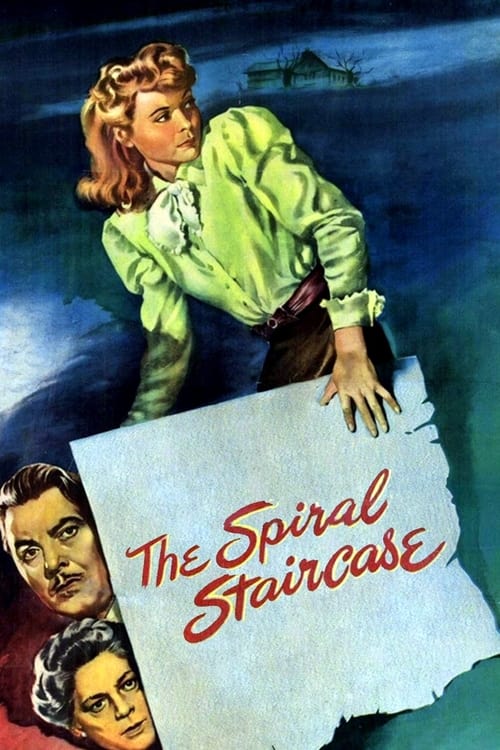
The Spiral Staircase
1946
No user ratings available yet
Representation score: 1.8 out of 10

Representation Score
Limited
1961
NRDirector
Seth Holt
Runtime
82 minutes
Average Rating
No ratings yetNew Showbiz Analysis
Taste of Fear is a period-specific psychological thriller that prioritizes atmospheric tension over social disruption. Its primary strength lies in its portrayal of a character with a physical disability, who avoids mockery and integrates her limitations into the plot's tension. However, the film is limited by the homogeneity of its 1961 setting. It lacks diverse representation, offering a predominantly Anglo-Saxon environment and a traditional family structure that does not challenge established social hierarchies. Ultimately, the work functions as a character study of individual psychological struggle. While it provides meaningful representation for disability, it remains within the conventional boundaries of mid-century British suspense.
Category Breakdown
There are no LGBTQ+ characters or critiques of the assumption that everyone is straight or cisgender in the film. The movie focuses on a traditional family structure from 1961.
The female protagonist drives the investigation of her own reality within a high-stakes psychological landscape. She plays a significant role in the story, but the tension remains tied to traditional gender anxieties.
Set in an isolated English estate, the cast and setting are predominantly homogeneous. The film reflects the era's lack of racial diversity, presenting a largely Anglo-Saxon environment.
The narrative explores subjective reality and psychological instability rather than critiquing Western institutions. It uses a traditional estate setting to create Gothic dread without systemic critique.
The wheelchair-bound protagonist is central to the story, integrating her physical limitations into her experience of vulnerability. She maintains a significant role in the story while attempting to uncover the truth of her surroundings.
Present on Screen
Limited or Absent
Official Synopsis
A wheelchair-bound young girl returns to her father's estate after ten years, and although she's told he's away, she keeps seeing his dead body on the estate.
1946
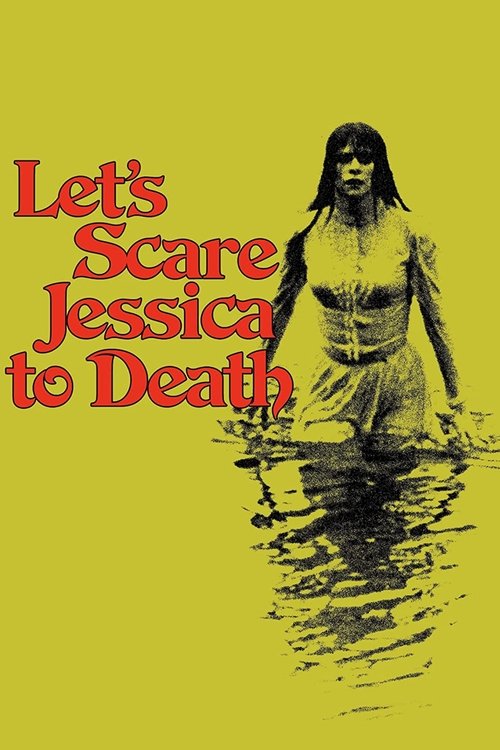
1971
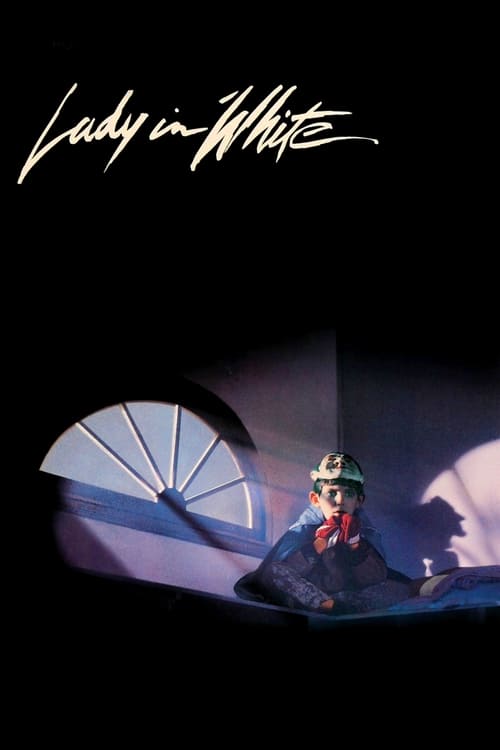
1988

1976
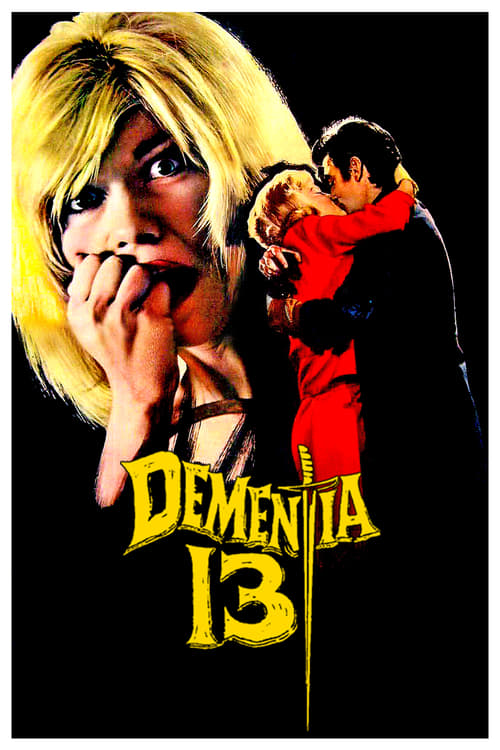
1963

1962
1996
1964
No reviews yet. Be the first to share your thoughts on this movie!
Use the rating form above to leave a star rating and optional review.