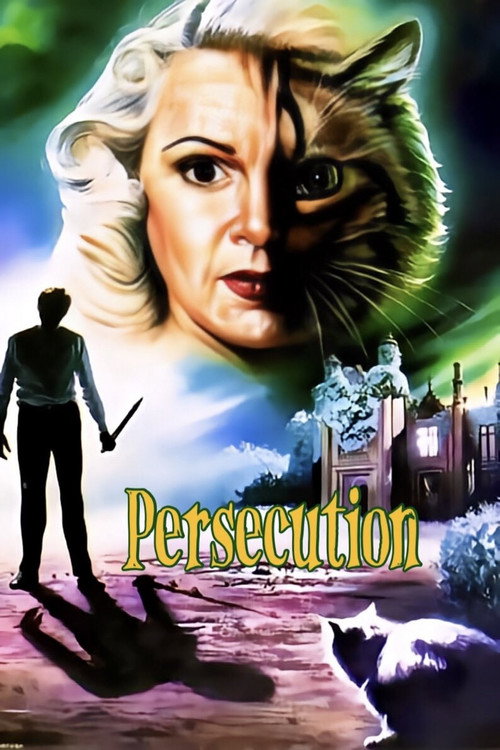
Persecution
1974
No user ratings available yet
Representation score: 2.5 out of 10

Representation Score
Minimal
1972
RDirector
Andrea Bianchi, James Kelley
Runtime
89 minutes
Average Rating
No ratings yetNew Showbiz Analysis
What the Peeper Saw operates as a traditional 1970s psychological thriller. While it moves toward psychological realism by exploring domestic suspicion and subjective truth, it remains firmly rooted in the genre clichés of its era. The film lacks intentional multi-layered representation or diverse casting. The narrative focus is narrow, centering on a wealthy family's internal conflicts rather than broader social or systemic issues. Ultimately, the work functions as a period-specific suspense piece that prioritizes bourgeois domestic drama over progressive representation or cultural critique.
Category Breakdown
The film does not include any LGBTQ+ characters or narratives. The story focuses on domestic tension within a fractured nuclear family unit.
The plot centers on the psychological ability to act of a stepmother. However, it relies on traditional mystery clichés involving a deceased mother and a male child.
The production context suggests a homogeneous European demographic. There is no evidence of a diverse cast or non-Anglo-Saxon majority.
The film explores domestic dysfunction and the breakdown of traditional family structures. It focuses on private, bourgeois domesticity rather than systemic critiques.
There is no information regarding characters with visible or invisible disabilities in the narrative.
Present on Screen
Limited or Absent
Official Synopsis
A wealthy author's second wife begins to suspect that her 12-year old stepson may have murdered his mother, who mysteriously died in a bathtub accident.
1974

1972

1972
1972
1972
1975

1971
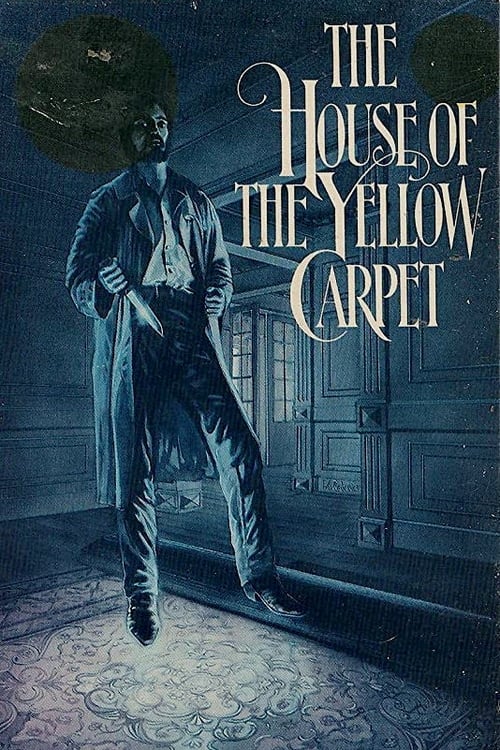
1983
No reviews yet. Be the first to share your thoughts on this movie!
Use the rating form above to leave a star rating and optional review.