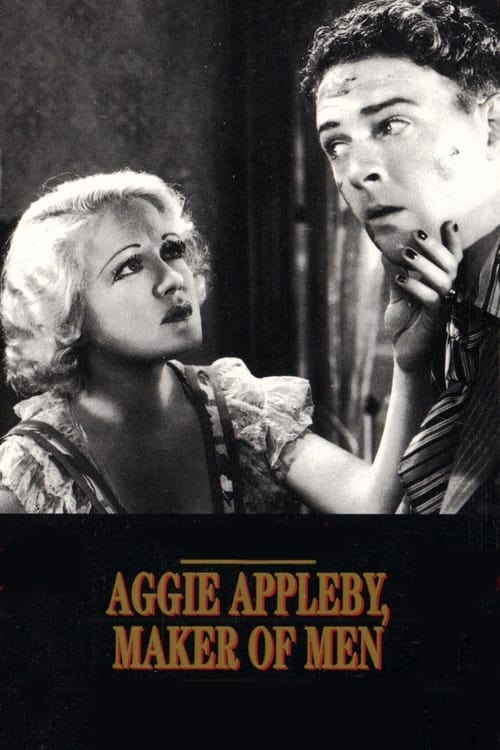
Aggie Appleby, Maker of Men
1933
No user ratings available yet
Representation score: 2.0 out of 10
Representation Score
Minimal
1934
PassedDirector
Roy William Neill
Runtime
68 minutes
Average Rating
No ratings yetNew Showbiz Analysis
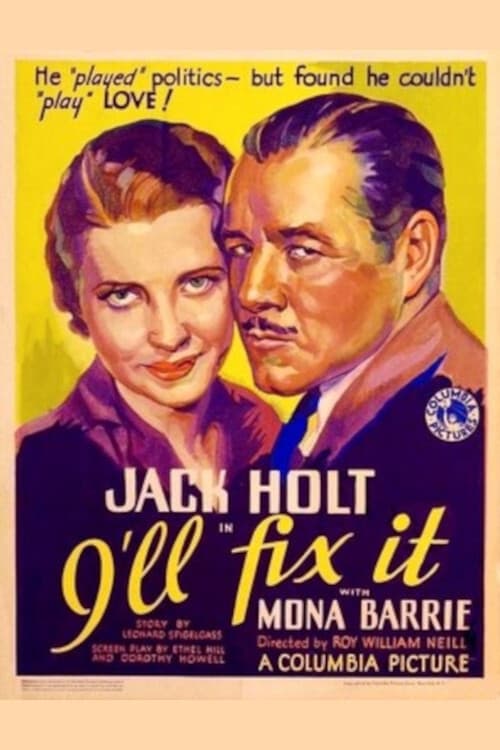
I'll Fix It is a period-specific comedy that closely adheres to the social hierarchies and casting conventions of the 1930s. The plot focuses on a traditional courtship and the personal integrity of its characters. While the female lead offers a moral counterpoint to the male protagonist, the central themes of power and political manipulation remain firmly rooted in a male-dominated framework. The film serves as a standard character-driven comedy rather than a vehicle for social disruption. Ultimately, the work lacks depth in reflecting multiple aspects of identity, reflecting the era's tendency toward homogeneous representation and conventional narrative structures.
Category Breakdown
The film follows typical 1930s romantic comedy structures. There is no indication of non-straight or non-cisgender identities or narratives that question the assumption that everyone is straight or cisgender.
The story revolves around a power struggle between a male politician and a female teacher. While the female character demonstrates strong independence and intelligence, the male character's actions drive the main conflict.
The film likely reflects the homogeneous casting practices of the 1930s. There is no indication of diverse ethnic representation within this urban setting.
The narrative critiques local political corruption and systemic power structures. However, it focuses on individual morality rather than a broader critique of Western institutions.
The film provides no information regarding the depiction of physical or neurodivergent characters.
Present on Screen
Limited or Absent
Official Synopsis
A power-broker ward-heeler, Bill Grimes, wields more power than the elected politicians and has no problem in getting matters-of-the-city handled in which ever way is best for his needs. But when he tries to fix his adored kid brother's place on the school football team, he meets his match in school-teacher Anne Barry.
1933

1934
1935
1932
1950
1927
1929
1940
No reviews yet. Be the first to share your thoughts on this movie!
Use the rating form above to leave a star rating and optional review.