Fiasco in Milan
1959
No user ratings available yet
Representation score: 2.5 out of 10
Representation Score
Minimal
1959
TV-GDirector
Mitchell Leisen
Runtime
27 minutes
Average Rating
No ratings yetNew Showbiz Analysis
This 1959 comedy is a classic example of the mid-century studio system, emphasizing escapism and visual elegance over social complexity. The story relies heavily on established hierarchies, providing little space for diverse identities or critical examination of societal structures. The film presents a narrow perspective focused on high-society settings and traditional romantic structures. It serves as a polished caper that reinforces the social norms of its time rather than questioning them. Ultimately, the absence of diverse representation and the adherence to conventional clichés result in a production that mirrors the social constraints of its era.
Category Breakdown
The film does not include any LGBTQ+ characters or non-straight relationships. Romantic storylines are confined to traditional heterosexual couples.
Female characters mainly appear as romantic interests or stylish sidekicks. Their roles are limited to supporting subplots rather than driving the main storyline.
The cast is mostly white, reflecting the homogeneous casting practices of the 1950s. The story centers on a Western-focused, high-society setting.
The plot follows a typical caper comedy structure that glorifies crime through a lens of class and sophistication. It upholds traditional Western social norms.
The film does not depict any characters with physical or mental disabilities. There are no scenes showing characters dealing with health issues or neurodiversity.
Present on Screen
Limited or Absent
Official Synopsis
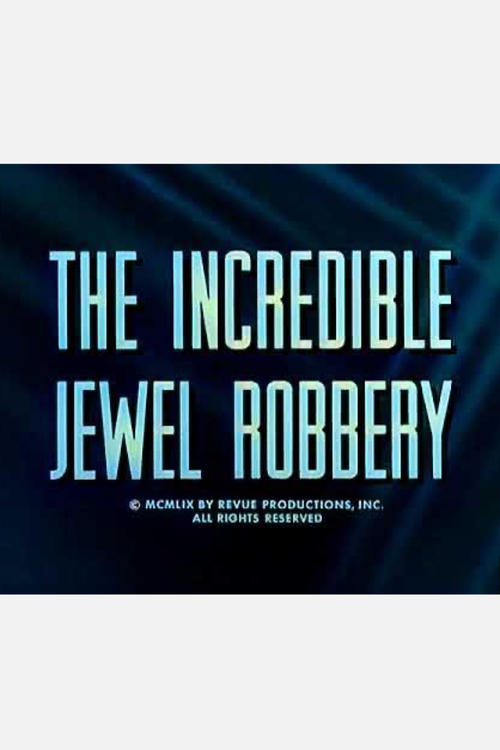
Harpo and Chico play Harry and Nick, two inept would-be robbers who try to pull a jewelry heist.
1959

1958
1958

1972
1958
1977
1959

1966
No reviews yet. Be the first to share your thoughts on this movie!
Use the rating form above to leave a star rating and optional review.