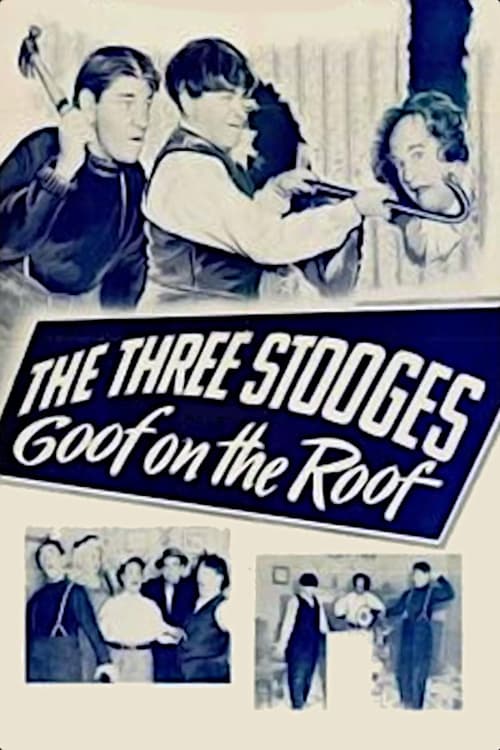
Goof on the Roof
1953
No user ratings available yet
Representation score: 1.9 out of 10
Representation Score
Minimal
1949
Director
George Cahan
Runtime
20 minutes
Average Rating
No ratings yetNew Showbiz Analysis
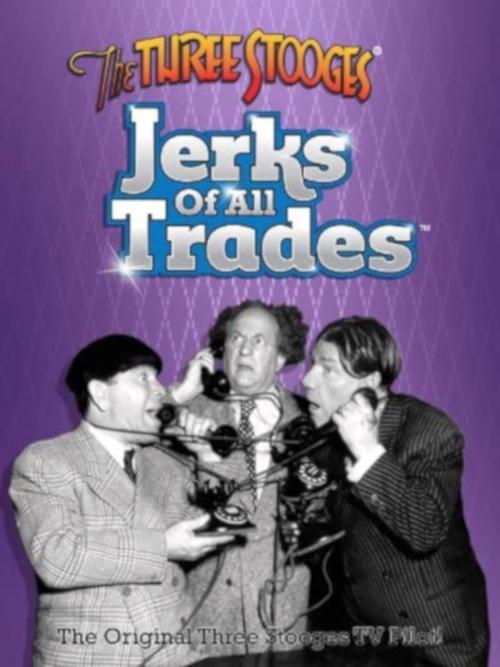
This 1949 television pilot is a quintessential product of its time, designed for broad appeal through vaudevillian slapstick. The story centers on disrupting domestic stability rather than challenging social or identity hierarchies. The work operates within a framework that upholds late-1940s social and cultural norms. It lacks depth in addressing multiple aspects of identity, focusing instead on occupational chaos and physical comedy. Ultimately, the production serves as a historical artifact of early broadcast television, prioritizing situational comedy over progressive social commentary or narrative subversion.
Category Breakdown
The story focuses on traditional domestic settings and social interactions that assume everyone is straight. There is no evidence of characters with diverse gender identities or critiques of this assumption.
Women appear mainly as clients who passively experience the chaos created by the Stooges. The film follows conventional mid-century gender roles without challenging these hierarchies.
The cast and characters suggest a homogeneous presentation typical of 1940s studio productions. There is no indication of a diverse cast or actors playing roles outside their traditional background.
The film reinforces traditional Western social structures and the importance of the family home. Humor comes from disrupting order rather than critiquing larger societal institutions.
Physical clumsiness is used as a comedic device. However, there is no evidence of characters with actual disabilities being given real power or meaningful representation.
Present on Screen
Limited or Absent
Official Synopsis
The Stooges are painters and paperhangers and completely wreck a hapless couples home.
1953
1952
1956
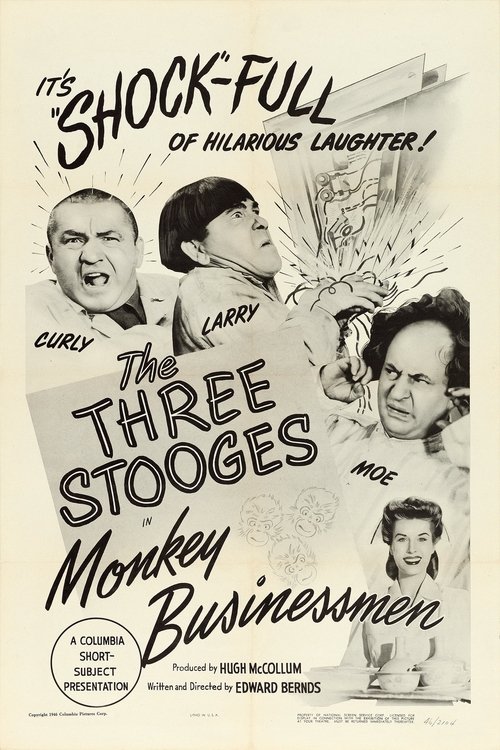
1946
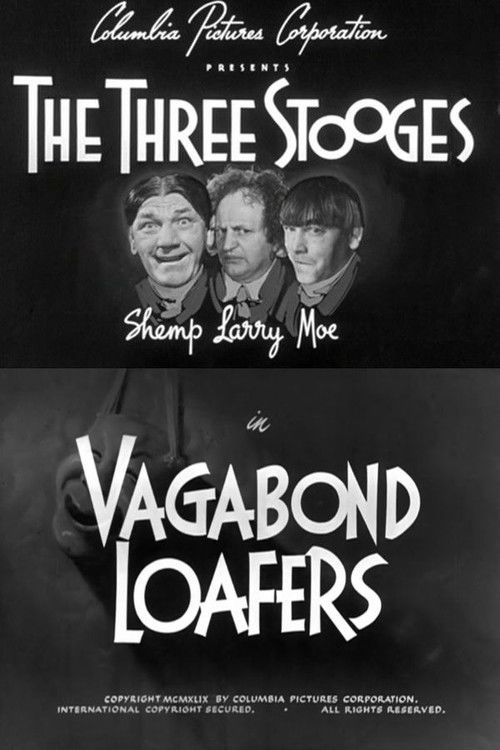
1949
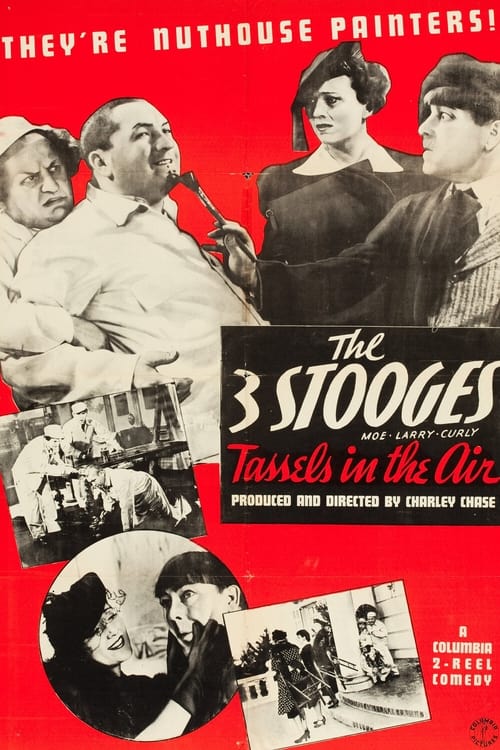
1938
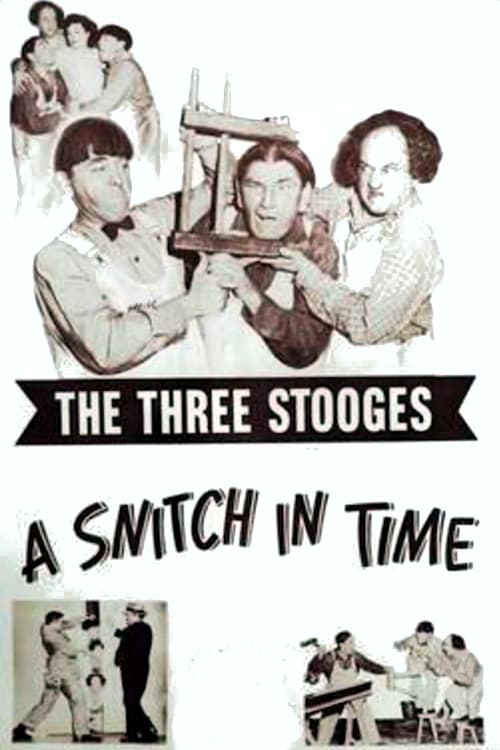
1950
1949
No reviews yet. Be the first to share your thoughts on this movie!
Use the rating form above to leave a star rating and optional review.