Melody Lane
1941

Representation Score
Minimal
1938
ApprovedDirector
Joseph Santley
Runtime
72 minutes
Average Rating
No ratings yetNew Showbiz Analysis
Swing, Sister, Swing is a classic 1930s musical comedy that focuses on escapism and dance routines rather than social commentary. The plot centers around a jitterbug dance act moving from small towns to the city, seeking fame. Reflecting the conservative media environment of its time, the film adheres to traditional narrative structures and social norms. It doesn’t aim to disrupt social hierarchies or include diverse identities. While the jitterbug dance ties into the trends of the era, the film treats these elements more as entertainment than as cultural engagement.
Category Breakdown
The film doesn't include any LGBTQ+ identities or same-sex relationships, sticking to the heterosexual norms of 1930s musicals.
The movie follows traditional gender roles of the era without challenging gender hierarchies. Female roles likely conform to the standards of the time.
The jitterbug dance has African American origins, but the film might use it without deeper context. There's a risk of including diverse dancers without giving them substantial roles.
The story promotes a traditional path from small towns to big cities, emphasizing the escapist joy of 1930s cinema rather than cultural critique.
There are no characters with visible or invisible disabilities mentioned in the film.
Present on Screen
Limited or Absent
Official Synopsis
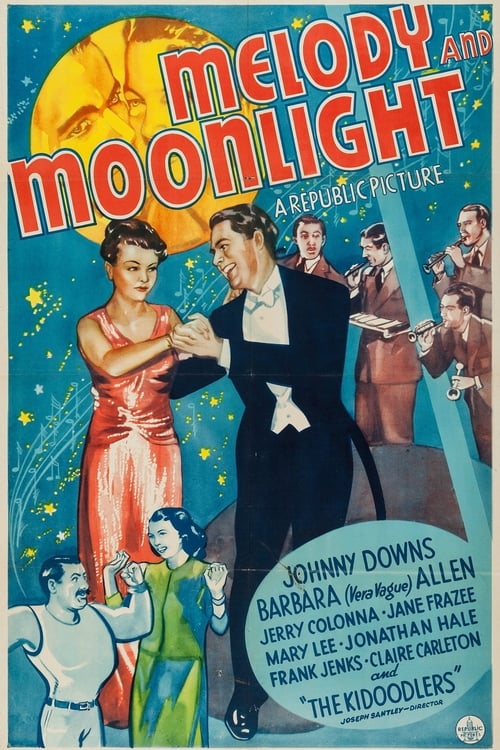
In this musical comedy, two star-struck small town kids head for the Big Apple and become famous for their jitterbug act. Their fame doesn't last long, but they had fun anyway. Songs include: "Baltimore Bubble," "Gingham Gown," "Just a Bore," "Wasn't It You," "Kaneski Waltz" (Frank Skinner, Charles Henderson).

1941

1933

1950

1937

1937
1937
1934

1945
No reviews yet. Be the first to share your thoughts on this movie!
Use the rating form above to leave a star rating and optional review.