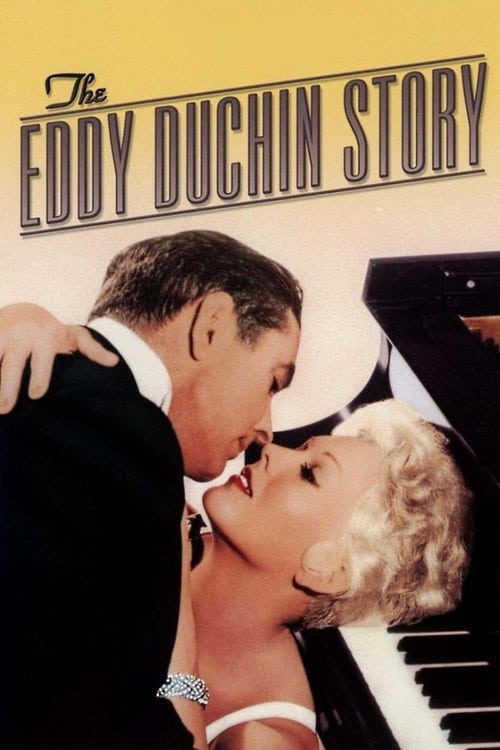
The Eddy Duchin Story
1956
No user ratings available yet
Diversity score: 1.4 out of 10
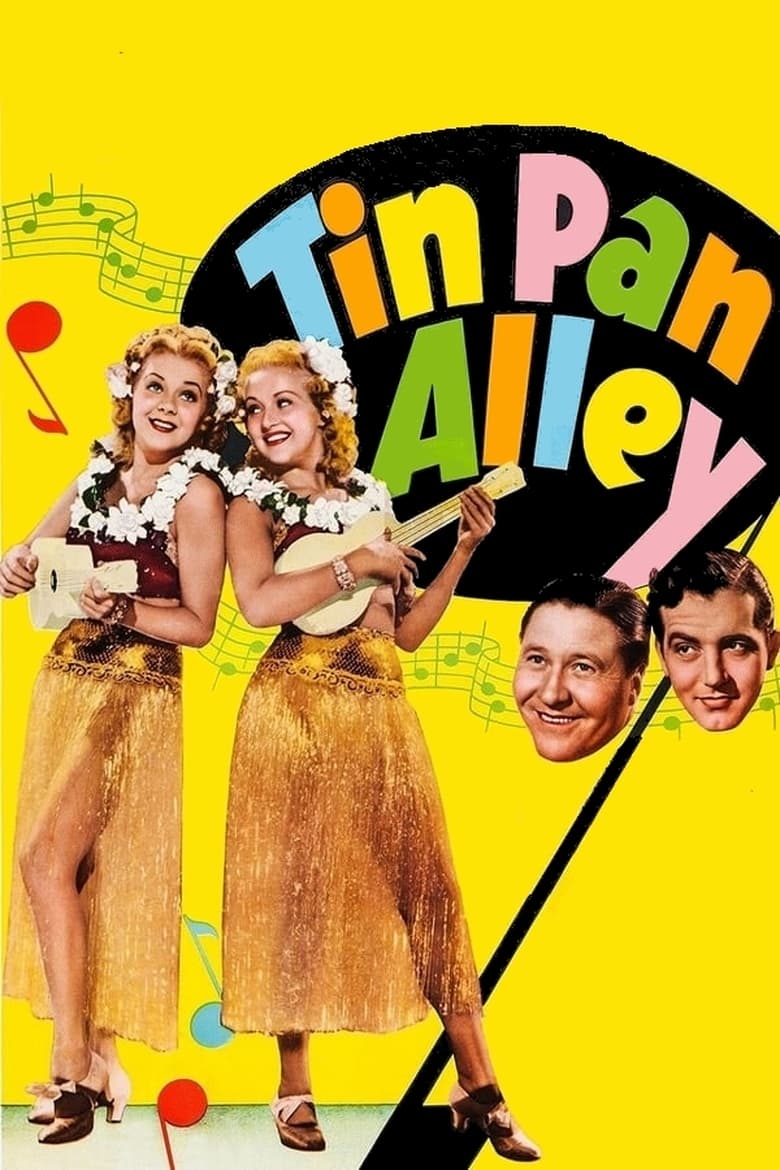
1940
NRDirector
Walter Lang
Runtime
94 minutes
Average Rating
No ratings yetSynopsis
Songwriters Calhoun and Harrigan get Katie and Lily Blane to introduce a new one. Lily goes to England, and Katy joins her after the boys give a new song to Nora Bayes. All are reunited when the boys, now in the army, show up in England.
Overall Score
Minimal
Category Breakdown
LGBTQ+ Representation
The film contains no depictions of queer identities or subtext. Romantic arcs follow strictly heteronormative and cisnormative patterns centered on traditional courtship.
Gender Representation
Alice Faye provides a strong female presence, yet female agency is often filtered through male songwriters or romantic interests. The film reinforces standard 1940s gender hierarchies.
Racial & Ethnic Diversity
The cast and setting are almost exclusively white, reflecting the demographic homogeneity of the era. It presents a culturally monolithic view of the music industry.
Religious & Cultural Diversity
The narrative celebrates Western commercialism and the American Dream without critique. It reinforces traditional morality and patriotic sentiments through its characters' professional and military journeys.
Disability Representation
There are no portrayals of physical or neurodivergent disabilities. All characters are presented as able-bodied participants in the film's professional and romantic spheres.
Strengths
Areas for Improvement
AI Analysis
Tin Pan Alley is a quintessential product of the Golden Age of Hollywood, functioning as an escapist celebration of the American music industry. The film prioritizes romantic resolution and professional success within established capitalist frameworks, adhering to the conventional social hierarchies of 1940. The production lacks diversity, presenting a culturally monolithic and Anglo-centric view of stardom. It reinforces the era's standard social structures rather than challenging them, focusing on a singular, traditional perspective of the American experience. While the film offers a platform for major female stars, the narrative dynamics remain tethered to traditional gender roles. Ultimately, the film serves to uphold the status quo of its time through a narrow lens of representation.
No reviews yet. Be the first to share your thoughts on this movie!
Use the rating form above to leave a star rating and optional review.