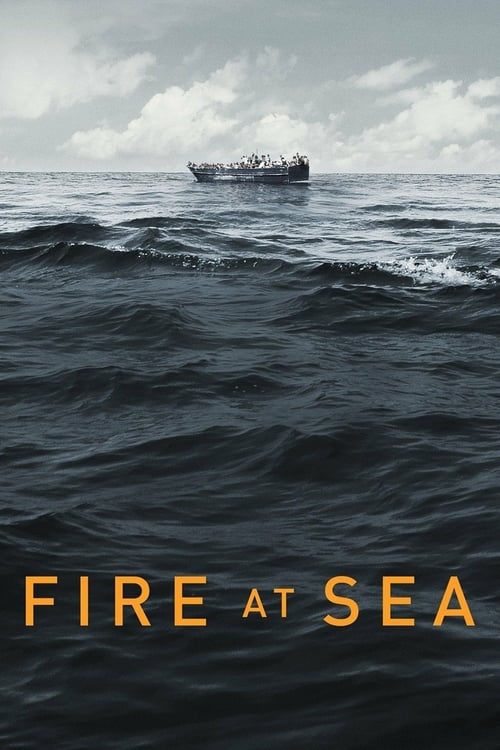
Fire at Sea
2016
No user ratings available yet
Representation score: 8.0 out of 10
Representation Score
Excellent
2017
PG-13Director
Ai Weiwei
Runtime
140 minutes
Average Rating
No ratings yetNew Showbiz Analysis
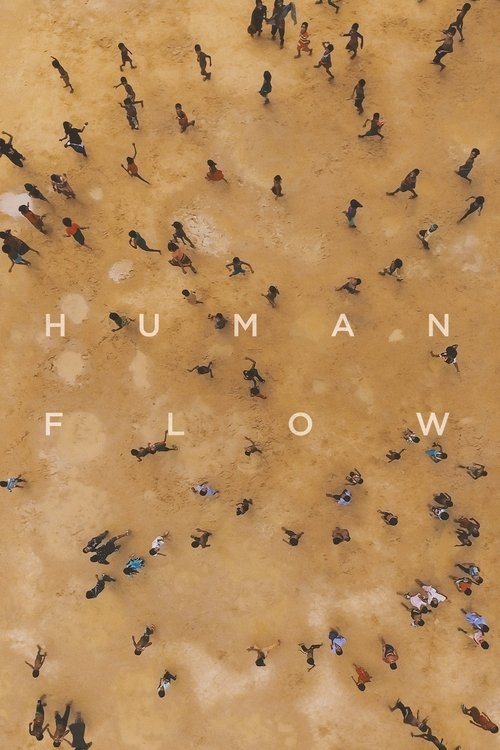
Ai Weiwei’s documentary is a comprehensive exploration of the global refugee crisis, spanning 23 countries to document the movement of millions. By centering non-Western voices, the film offers a nuanced perspective on the multi-layered realities of race and nationality. It shifts away from traditional hero arcs to present a systemic view of human movement. The film effectively critiques Western institutional authority and the exclusionary nature of national borders. While it excels in racial and cultural representation, it lacks specific focus on LGBTQ+ identities and treats disability primarily as a consequence of systemic suffering.
Category Breakdown
The film focuses on the global refugee crisis rather than individual LGBTQ+ storylines. It does not prominently feature non-cisgender identities or LGBTQ+ characters as central plot points.
The narrative emphasizes the active roles of women in navigating survival within transit camps and border zones. It highlights their specific vulnerabilities and contributions to the story.
The film centers a diverse cast of people from the Middle East, Africa, and Asia, emphasizing their ability to act and humanity. It provides a rich portrayal of various ethnicities and cultures.
The film critiques Western institutions and national borders, depicting borders as exclusionary. Religious practices are shown with cultural sensitivity, reflecting their importance in identity.
The film captures the physical and psychological toll of displacement, including trauma and exhaustion. However, it does not use disability as a specific narrative device.
Present on Screen
Limited or Absent
Official Synopsis
More than 65 million people around the world have been forced from their homes to escape famine, climate change and war, the greatest displacement since World War II. Filmmaker Ai Weiwei examines the staggering scale of the refugee crisis and its profoundly personal human impact. Over the course of one year in 23 countries, Weiwei follows a chain of urgent human stories that stretch across the globe, including Afghanistan, France, Greece, Germany and Iraq.
2016

2011
2015
2019
2019
2015
2015
2021
No reviews yet. Be the first to share your thoughts on this movie!
Use the rating form above to leave a star rating and optional review.