
I'm Leaving Now
2019
No user ratings available yet
Representation score: 6.2 out of 10

Representation Score
Excellent
2020
TV-14Director
Geeta Gandbhir
Runtime
24 minutes
Average Rating
No ratings yetNew Showbiz Analysis
Call Center Blues is a powerful study of displacement and the human cost of globalized labor. It succeeds by centering the ability to act of underrepresented migrant populations and offering a sharp post-colonial critique of capitalist structures. The film's greatest strength lies in its refusal to rely on Western-centric storytelling, instead using Tijuana to explore the complexities of the Global South. It elevates the voices of those often ignored by traditional economic narratives. However, the documentary lacks depth regarding specific identity-based narratives. It provides little explicit representation for LGBTQ+ individuals or characters with visible disabilities, focusing instead on socioeconomic and migratory status.
Category Breakdown
The film does not prominently feature LGBTQ+ narratives or non-cisgender identities as central plot drivers. Instead, it focuses on migration and labor issues.
The film challenges traditional gender hierarchies by centering individuals navigating gendered labor roles. It highlights the specific vulnerabilities and active roles of women within the call center ecosystem.
The film excels in depicting non-Anglo-Saxon ability to act. By centering characters defined by displacement, it challenges Western-centric storytelling and provides nuanced portrayals of people of color driving the emotional weight.
The film offers a sophisticated critique of Western institutions through a post-colonial lens. It prioritizes the perspectives of the displaced over the dominant, highlighting power imbalances in global capitalism.
The film explores the psychological toll and mental exhaustion of repetitive service work. However, it does not explicitly center characters with visible or diagnosed disabilities as primary narrative drivers.
Present on Screen
Limited or Absent
Official Synopsis
A cinematic tale of deportation, migration, displacement and opportunistic capitalism, Call Center Blues follows four characters as they struggle to make sense of their lives in Tijuana. Each with a vastly different story, they are all linked by their displacement and the sole choice of call center work they have in a country that is so unfamiliar and oftentimes frightening, yet other times a ray of hope. Tijuana becomes their home, a place defined by the border but yet defiant towards it, a no man's land where everything and everyone feels transient. These characters paint a picture of love, loss and longing - for home, for an American Dream deferred, and for justice.
2019

2016

2013

2009

2017

2013
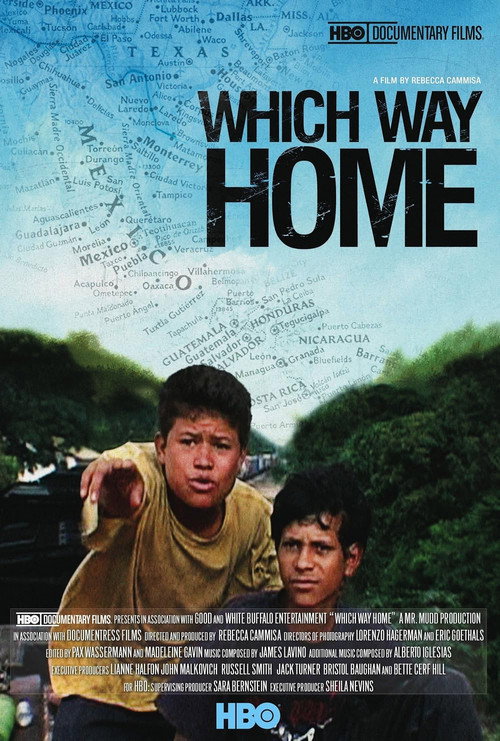
2009

2020
No reviews yet. Be the first to share your thoughts on this movie!
Use the rating form above to leave a star rating and optional review.