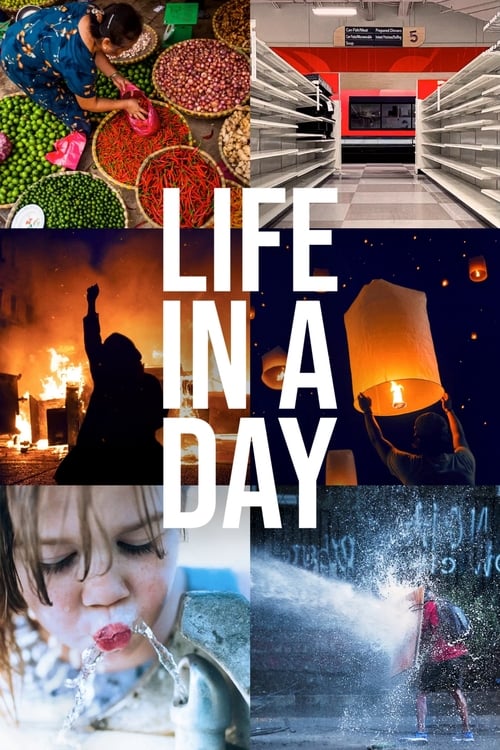
Life in a Day 2020
2021
No user ratings available yet
Representation score: 9.0 out of 10
Representation Score
Excellent
2012
Not RatedDirector
Kyle Ruddick
Runtime
104 minutes
Average Rating
No ratings yetNew Showbiz Analysis
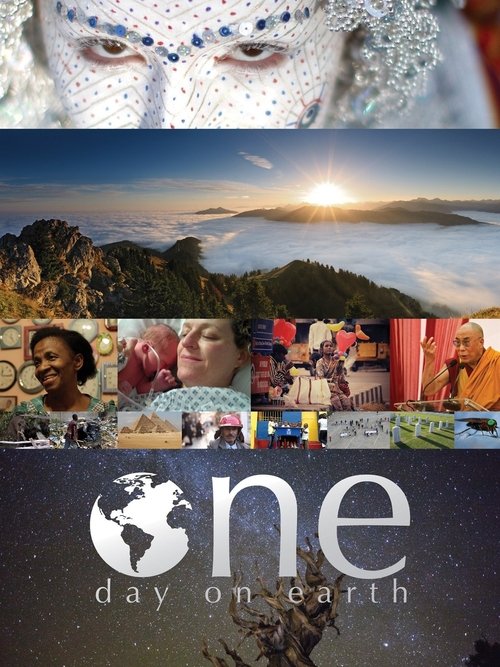
One Day on Earth serves as a significant disruption to conventional storytelling by replacing centralized, Western-focused narratives with a decentralized, globalist architecture. Its primary strength is the refusal to adhere to a singular cultural or racial norm. By utilizing a documentary format to provide a platform for a vast array of diverse identities, the film challenges traditional cinematic conventions. It frames the human experience through systemic challenges and collective hope. While the film excels in racial and cultural breadth, it remains more observational regarding specific identity-driven arcs, such as those for LGBTQ+ individuals or people with disabilities.
Category Breakdown
The film captures a broad spectrum of human expression through its global lens. While specific LGBTQ narratives are not explicitly detailed, the project's mandate suggests an inclusive approach that moves beyond Western-centric assumptions about straight relationships.
The narrative structure disrupts traditional hierarchies by focusing on the universal cycle of life. By documenting global maturation and death, the film avoids centering on patriarchal or male-driven historical narratives.
The production achieves exceptional representation by recording footage from every country in the world. This structure prioritizes a non-Anglo-Saxon majority perspective and elevates voices from the Global South.
The documentary adopts a cosmopolitan worldview, emphasizing global interconnectedness over nationalistic or religious doctrines. It focuses on the shared human condition and collective survival rather than isolationist ideals.
The film's observational nature likely captures various physical realities and human vulnerabilities. However, it lacks specific character arcs centered on neurodivergence or physical disability as intentional narrative devices.
Present on Screen
Limited or Absent
Official Synopsis
Recording a 24-hour period throughout every country in the world, we explore a greater diversity of perspectives than ever seen before on screen. We follow characters and events that evolve throughout the day, interspersed with expansive global montages that explore the progression of life from birth, to death, to birth again. In the end, despite unprecedented challenges and tragedies throughout the world, we are reminded that every day we are alive there is hope and a choice to see a better future together. Founded in 2008, it set out to explore our planet's identity and challenges in an attempt to answer the question: Who are we?
2021
2015
2015
2015
2012
2011
2006
2007
No reviews yet. Be the first to share your thoughts on this movie!
Use the rating form above to leave a star rating and optional review.