The Transfiguration
2016
No user ratings available yet
Representation score: 6.4 out of 10
Representation Score
Good
2010
RDirector
Matt Reeves
Runtime
116 minutes
Average Rating
No ratings yetNew Showbiz Analysis
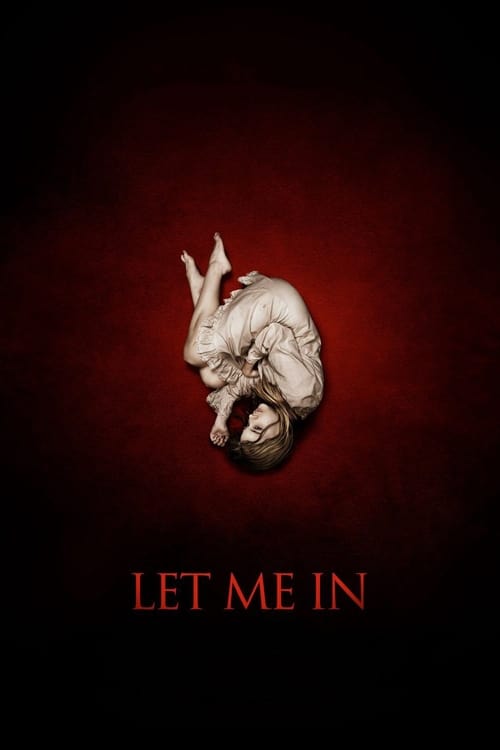
Let Me In succeeds in subverting traditional gender roles and deconstructing social institutions. By presenting a world where protective structures like family and school fail, the film moves away from conventional storytelling toward a more nuanced moral relativism. However, the film is limited by a lack of racial and LGBTQ+ diversity. The setting feels intentionally isolated and uniform, which restricts the range of the cast and the exploration of different identities. Ultimately, the film's strength lies in its psychological depth and its ability to challenge traditional archetypes of strength and innocence, even if it remains narrow in its demographic representation.
Category Breakdown
The film does not include prominent LGBTQ+ characters or explore non-straight relationships. While the central relationship is unconventional, it does not delve into specific LGBTQ+ identities.
Abby defies the typical vulnerable girl stereotype by having great supernatural power and taking decisive action. Owen challenges traditional masculinity by showing vulnerability and being socially sidelined.
The cast is fairly uniform, reflecting the socioeconomic and geographic isolation of the 1980s suburban setting. There is no indication of a racially diverse cast.
The story questions Western institutions by showing family and school authorities as negligent or absent. It challenges social norms by depicting violence as a necessary evil.
The film highlights the social disability of extreme isolation and the psychological impact of bullying. It portrays marginalization as a state of loneliness rather than a clinical disability.
Present on Screen
Limited or Absent
Official Synopsis
A bullied young boy befriends a young female vampire who lives in secrecy with her guardian. A remake of the movie “Let The Right One In” which was an adaptation of a book.
2016
1978
2004

1990

2016
1995
2008

1983
No reviews yet. Be the first to share your thoughts on this movie!
Use the rating form above to leave a star rating and optional review.