
Quick, Let's Get Married
1964
No user ratings available yet
Representation score: 2.6 out of 10
Representation Score
Limited
1956
NRDirector
Samuel A. Taylor, Giulio Macchi
Runtime
102 minutes
Average Rating
No ratings yetNew Showbiz Analysis
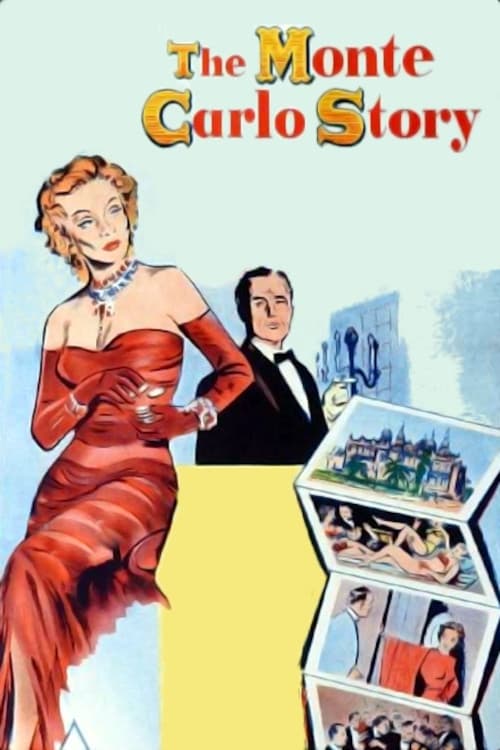
The Monte Carlo Story is a quintessential mid-century social comedy that emphasizes class-based romantic clichés over diverse representation. The narrative centers on the pursuit of wealth and status through traditional romantic archetypes, reinforcing the social hierarchies of the 1950s. While female characters exhibit a degree of influence, it is largely tied to the 'gold digger' stereotype, linking their power to economic maneuvering within a patriarchal structure. The film lacks a multi-layered approach, presenting a homogeneous view of European high society. Ultimately, the film adheres to established cinematic norms and conventional social mores rather than challenging the status quo.
Category Breakdown
The film follows traditional romantic archetypes typical of the 1950s, focusing on heterosexual relationships. There is no indication of same-sex intimacy or non-binary identities.
Female characters like Maria and the widower's daughter exercise significant influence through economic maneuvering. However, they primarily operate within the 'gold digger' stereotype.
The European setting does not include a diverse cast. The narrative appears to reflect the homogeneous casting patterns common in mid-century Western cinema.
The story explores themes of gambling and social climbing. It operates as a social comedy that adheres to existing class and status frameworks.
The narrative contains no visible or invisible representation of characters with disabilities.
Present on Screen
Limited or Absent
Official Synopsis
Stylish, sophisticated and absolutely broke, Dino and Maria pursue a romance until they realize neither of them has any money, which forces the gold diggers to turn their attention to a wealthy widower and his daughter. A compulsive gambler who owes several anxious investors a small fortune, Dino has trouble cutting his losses, no matter how bad the losing streak.
1964

1963

1936
1974

1947

1955
1934

1960
No reviews yet. Be the first to share your thoughts on this movie!
Use the rating form above to leave a star rating and optional review.