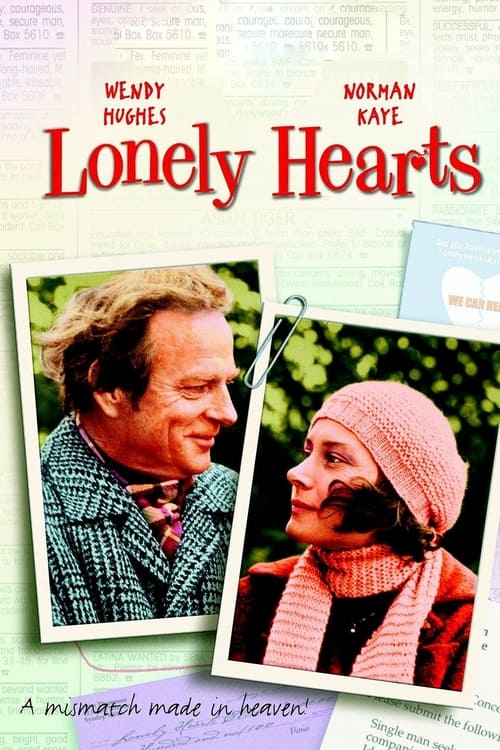
Lonely Hearts
1982
No user ratings available yet
Diversity score: 3.6 out of 10
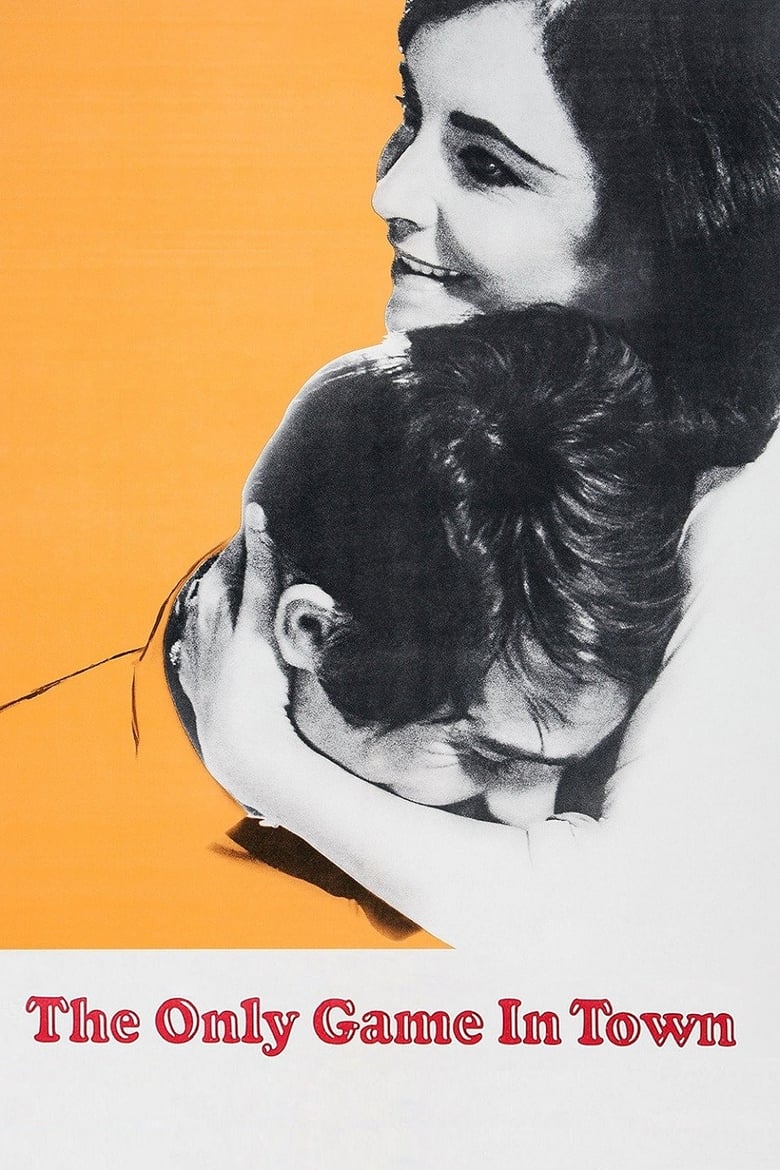
1970
PGDirector
George Stevens
Runtime
113 minutes
Average Rating
No ratings yetSynopsis
Fran walks into a piano bar for pizza. She comes back home with Joe, the piano player. Joe plans on winning $5,000 and leave Las Vegas. Fran waits for something else. Meanwhile, he moves in with her.
Overall Score
Minimal
Category Breakdown
LGBTQ+ Representation
The film lacks LGBTQ+ characters or non-cisnormative identities. Interpersonal dynamics follow traditional heteronormative structures typical of the era's romantic dramas.
Gender Representation
Female characters navigate social constraints within a confined setting. However, the narrative adheres to conventional romantic roles without subverting established gender hierarchies.
Racial & Ethnic Diversity
The cast reflects a homogeneous demographic consistent with mid-century American contexts. There is no visible blending of races in social or intimate pairings.
Religious & Cultural Diversity
The story operates within a standard Western framework. It focuses on individual interpersonal conflicts rather than critiquing Western institutions or social structures.
Disability Representation
There is no discernible presence of characters with visible or invisible disabilities. The film lacks neurodivergent or physically disabled representation.
Strengths
Areas for Improvement
AI Analysis
George Stevens delivers a traditional drama that reinforces the social and demographic norms of its time. The film functions as a standard romantic narrative, focusing on individual emotional arcs rather than systemic or social disruption. The production lacks intentionality regarding diversity, resulting in a homogeneous cast and a story centered on conventional heteronormative dynamics. It avoids challenging established hierarchies, instead operating within a singular, traditionalist demographic framework. Ultimately, the film serves as a period-typical example of mid-century storytelling, prioritizing interpersonal tension over intersectional depth or cultural critique.
No reviews yet. Be the first to share your thoughts on this movie!
Use the rating form above to leave a star rating and optional review.
