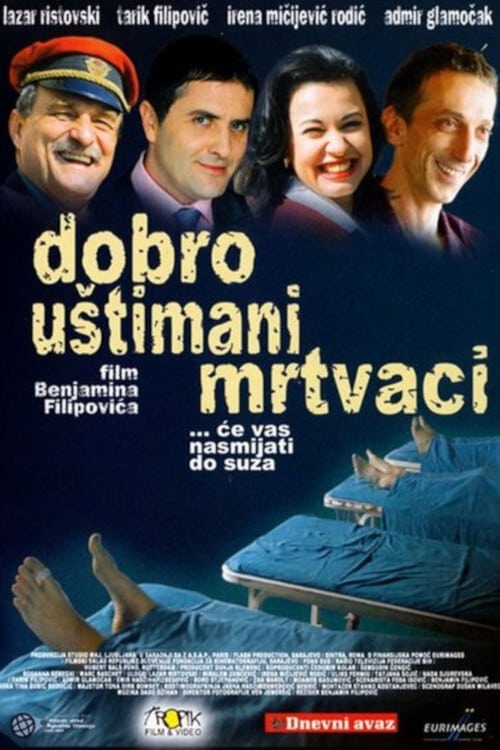
Well Tempered Corpses
2005
No user ratings available yet
Representation score: 3.2 out of 10
Representation Score
Fair
1999
Director
Miklós Jancsó
Runtime
103 minutes
Average Rating
No ratings yetNew Showbiz Analysis
Miklós Jancsó’s work functions as a sophisticated social tapestry, using an episodic structure to deconstruct the socio-political landscape of contemporary Hungary. By moving from the cosmic contemplation of grave diggers to granular, absurd dramas, the film avoids traditional linear storytelling in favor of systemic critique. The film excels at cultural representation by challenging established institutions and traditional moral certainties. It utilizes a postmodern, skeptical lens to observe the movement of individuals within rigid social structures. However, the film lacks explicit focus on identity-based representation. The narrative appears centered on local class dynamics and social strata rather than diverse racial, ethnic, or LGBTQ+ specificities.
Category Breakdown
The film explores various social archetypes through absurd dramas of love and marriage. There is no explicit mention of non-binary gender identities or specific critiques of the assumption that everyone is straight.
The narrative uses archetypal figures to examine public order and legal safety. While diverse social roles are present, the film does not explicitly challenge traditional gender hierarchies.
As a Hungarian production, the film reflects local demographic realities. The narrative focuses on class and socio-political structures rather than blending different racial or ethnic backgrounds.
The film offers high cultural complexity by using moral relativism to critique systemic power. It disrupts traditional moral binaries through archetypes like the 'fat cat' and the 'victim.'
There is no specific evidence within the context to suggest the inclusion of characters with visible or invisible disabilities.
Present on Screen
Limited or Absent
Official Synopsis
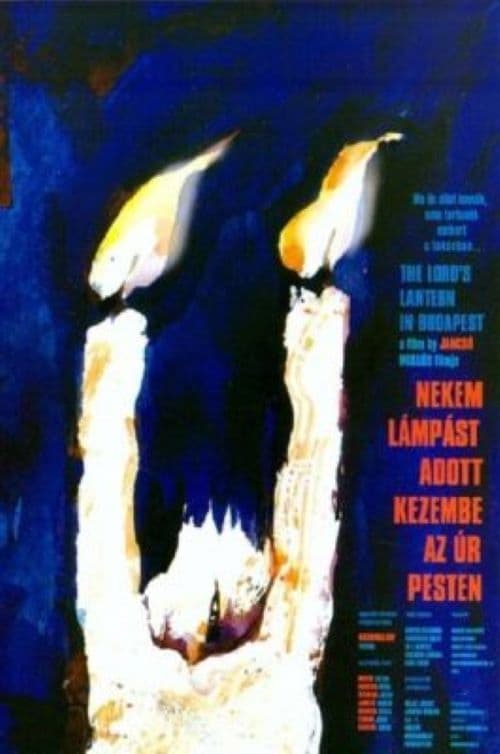
In the Kerepesi Street cemetery, three grave diggers contemplate the fate of the world, then they step out of this role and in a sequence of episodes they play the typical figures of contemporary Hungarian reality, the fat cat, the swashbuckler, the victim, underworld chieftains, and present little absurd dramas of love, marriage, friendship, public order and legal safety. The author and the film director walk among them all the time, contemplating, laughing at their plays. The stories starting from the graveyard and returning there warn of the inevitability of death. The author and the director (Gyula Hernádi and Miklós Jancsó) wisely make friends with death.
2005
1968

2017

2016
1984
2024
1988
1996
No reviews yet. Be the first to share your thoughts on this movie!
Use the rating form above to leave a star rating and optional review.