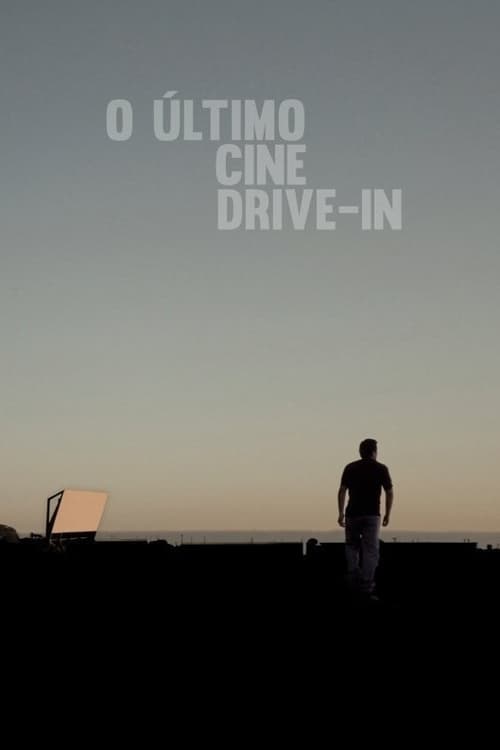
The Last Drive-In Theater
2014
No user ratings available yet
Diversity score: 5.7 out of 10

2010
Director
Sérgio Machado
Runtime
104 minutes
Average Rating
No ratings yetSynopsis
Friends of the recently deceased Quincas take their pal's body on one last tour of his favorite spots in Brazil's Bahia.
Overall Score
Fair
Category Breakdown
LGBTQ+ Representation
The story centers on the existential journey of a male protagonist and his companions. It lacks explicit depictions of non-cisnormative identities or same-sex intimacy.
Gender Representation
Agency is concentrated within a male-centric circle of friends. Female characters are present within the community but often occupy more reactive roles in the social structure.
Racial & Ethnic Diversity
The film excels in regional authenticity by featuring a cast that reflects the demographic complexity of Bahia. It avoids homogeneity by centering on local ethnic textures.
Religious & Cultural Diversity
Magical realism is used to deconstruct traditional religious certainties. The narrative prioritizes subjective truth and moral relativism over rigid institutional dogma.
Disability Representation
There is no significant evidence regarding the portrayal of physical or neurodivergent disabilities within the narrative.
Strengths
Areas for Improvement
AI Analysis
The film is a strong example of regionalist cinema that prioritizes ethnic and cultural authenticity over Western narrative tropes. Its use of magical realism provides a sophisticated critique of social norms and mortality. However, the work remains limited in its exploration of identity politics. The narrative focus is heavily skewed toward male perspectives, leaving little room for gender subversion or LGBTQ+ visibility. Ultimately, the film succeeds as a culturally specific piece of Brazilian storytelling, even if it stays within traditional social parameters regarding gender and sexuality.
2014
2013
2007

1981

2019

2023

2011

2015

2019

1993

1982

2020
No reviews yet. Be the first to share your thoughts on this movie!
Use the rating form above to leave a star rating and optional review.