London, Cinematography Entry
1896
No user ratings available yet
Representation score: 1.3 out of 10
Representation Score
Minimal
1890
Director
William Carr Crofts, Woodsworth Donisthorpe
Runtime
1 minutes
Average Rating
No ratings yetNew Showbiz Analysis
As a primitive kinesigraph recording from 1890, this documentary captures the incidental movement of London's Trafalgar Square. It provides a literal view of a period marked by rigid social hierarchies. The lack of diversity stems from the era's demographic uniformity and the film's observational nature. It lacks the narrative structure to explore identity, focusing instead on documenting the established order of the British Empire's capital. Ultimately, the film serves as a visual record of Victorian-era societal structures, reflecting the social stratification and traditional roles of the late 19th century.
Category Breakdown
The film is an observational study of public spaces with no depiction of intimate relationships, gender non-conformity, or queer themes.
Women are shown within the confines of 1890s gender roles, appearing as pedestrians or passive participants without challenging traditional male dominance.
The footage reflects the demographic uniformity of the time, with no significant non-Anglo-Saxon presence in the scene.
The film highlights the industrial and urban progress of the British Empire, depicting traditional Western institutions as stable and functional.
The footage focuses on the flow of traffic and general movement, with no depiction of individuals with visible or invisible disabilities.
Present on Screen
Limited or Absent
Official Synopsis
Moving picture of London's Trafalgar Square traffic, filmed with a kinesigraph.
1896

1896

1895
1895
1896

1896
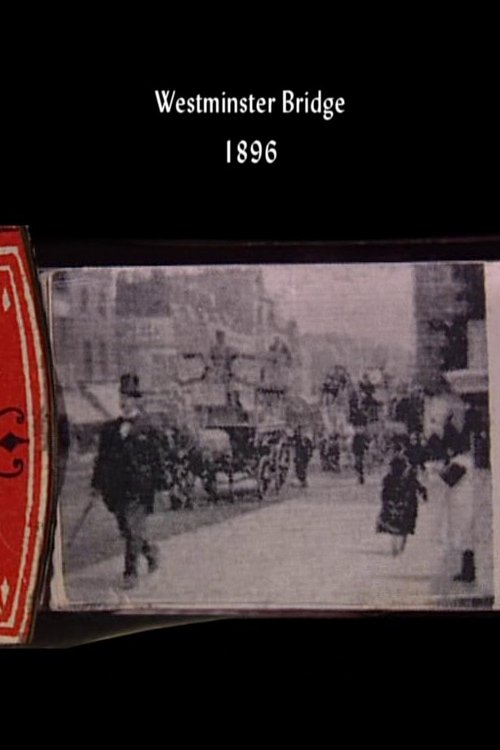
1896
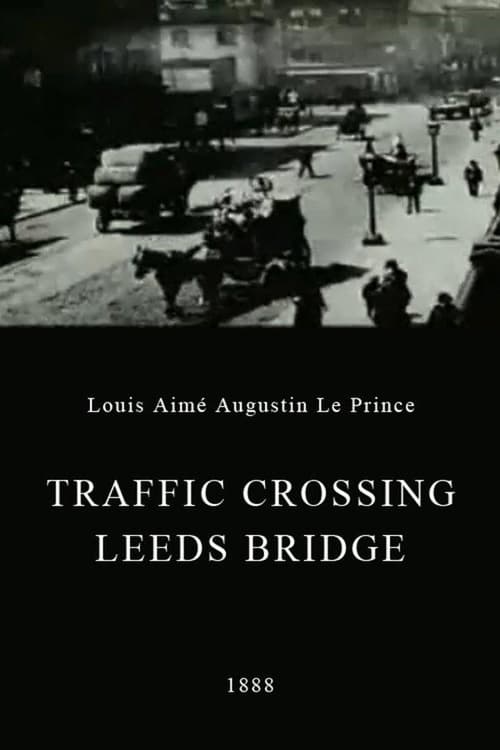
1888
No reviews yet. Be the first to share your thoughts on this movie!
Use the rating form above to leave a star rating and optional review.