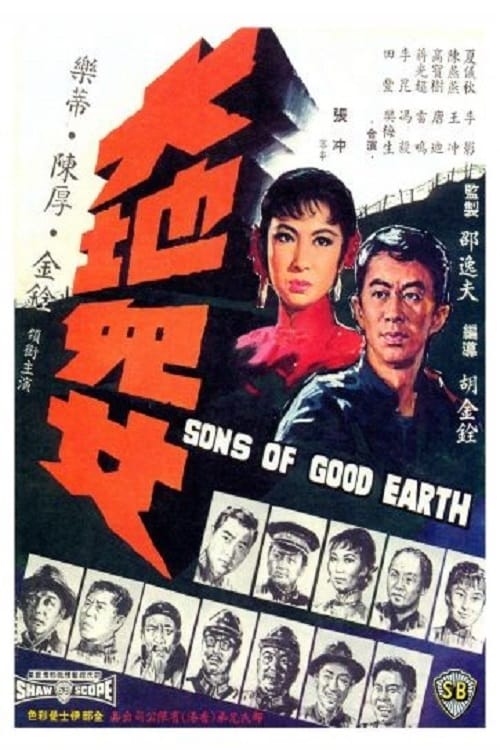
Sons of the Good Earth
1965
No user ratings available yet
Representation score: 5.5 out of 10
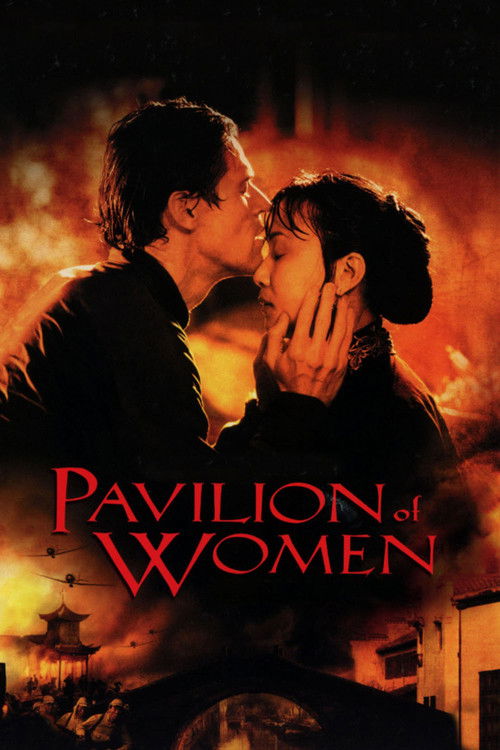
Representation Score
Fair
2001
RDirector
Yim Ho
Runtime
116 minutes
Average Rating
No ratings yetNew Showbiz Analysis
Pavilion of Women is a character-driven period drama that excels in cultural authenticity. By focusing on the psychological depth of the protagonist, it challenges the typical portrayal of women in war dramas. The film offers a nuanced view of Chinese identity during the Second Sino-Japanese War. However, the film adheres to traditional social norms and does not include any LGBTQ+ representation. It also lacks a focus on disability or overt political activism.
Category Breakdown
The film follows a traditional romantic storyline set during wartime. It does not include any representations of same-sex relationships or non-cisgender identities.
The story centers on the internal world of the female protagonist, emphasizing her emotional independence and significant role in driving the narrative within a patriarchal context.
The film features a predominantly Chinese cast and setting, maintaining cultural authenticity by focusing on 1940s China through a localized perspective.
The story examines the tensions between traditional beliefs, communism, and Western influences. It highlights how these conflicting ideologies affect both national stability and personal morality.
The film does not feature any prominent characters with visible or invisible disabilities. There are no character arcs centered around disability.
Present on Screen
Limited or Absent
Official Synopsis
With World War II looming, a prominent family in China must confront the contrasting ideas of traditionalism, communism and Western thinking, while dealing with the most important ideal of all: love and its meaning in society.
1965
2010
1990
1988
1969

1986
1966

1952
No reviews yet. Be the first to share your thoughts on this movie!
Use the rating form above to leave a star rating and optional review.