The Setting Sun
1992
No user ratings available yet
Representation score: 4.2 out of 10
Representation Score
Fair
1990
Director
Yim Ho
Runtime
94 minutes
Average Rating
No ratings yetNew Showbiz Analysis
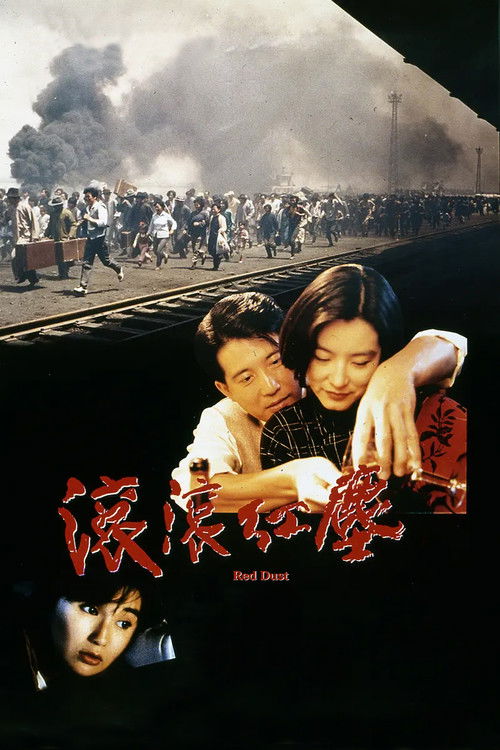
Red Dust is a sophisticated historical drama that challenges traditional social hierarchies. By featuring a proactive female protagonist, the film moves beyond the passive female clichés common in period dramas. The film's strength lies in its authentic portrayal of Chinese identity and its critique of feudalistic and patriarchal structures. It uses the backdrop of the Sino-Japanese War to explore the tension between individual autonomy and systemic oppression. However, the film remains limited in its engagement with contemporary identity politics. It does not address LGBTQ+ themes or disability representation, adhering closely to the historical context of its setting.
Category Breakdown
The film focuses on a heterosexual relationship between a novelist and a man, with no evident representation of same-sex intimacy or non-binary identities.
Xiaoman, a talented novelist, asserts her independence and challenges patriarchal norms through her actions during wartime. She plays a significant role in driving the story rather than being a passive character.
The film provides an authentic experience of Chinese identity by focusing on the indigenous perspective. It avoids a Western viewpoint, emphasizing the impact of historical colonization on daily life.
The narrative critiques feudal institutions and oppressive customs through the lens of traditional agrarian society. It examines the tension between these traditions and modern influences.
There is no significant depiction of characters with visible or invisible disabilities playing central roles or demonstrating specific ability to act.
Present on Screen
Limited or Absent
Official Synopsis
Stretching across the canvas of the Sino-Japanese War of the 30s, the subsequent Japanese surrender in 1945, and the onslaught of Communism, this film depicts an ill-fated romance between a talented lady novelist and a Chinese traitor working with the Japanese who fall victim to the mayhem of war and their tragic inability to reconcile political differences.
1992
1955
2001
1989
2024
1965
1991
1996
No reviews yet. Be the first to share your thoughts on this movie!
Use the rating form above to leave a star rating and optional review.