The Social Lion
1930
No user ratings available yet
Representation score: 2.0 out of 10
Representation Score
Minimal
1927
PassedDirector
Charles Hines
Runtime
70 minutes
Average Rating
No ratings yetNew Showbiz Analysis
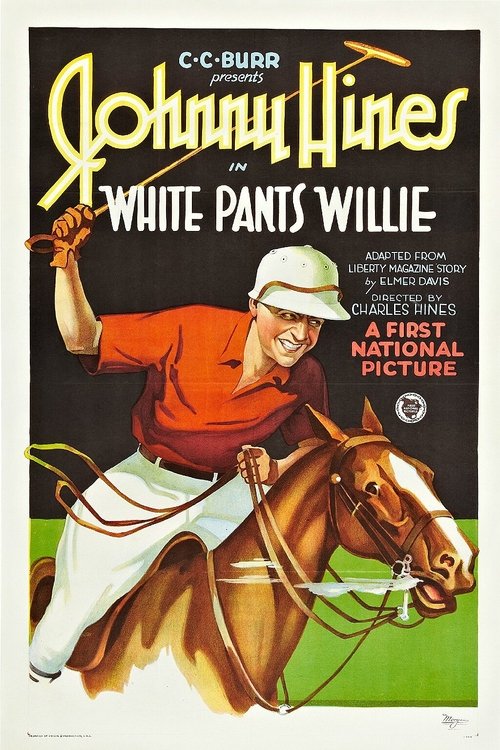
White Pants Willie is shaped by 1920s comedic traditions, emphasizing social climbing and romantic clichés over subverting societal norms. Despite featuring a character of color, Wong Lee’s role is used to further the white protagonist’s storyline through a mistaken identity plot. The film reinforces existing power structures rather than challenging them. Gender roles are strictly traditional, with women primarily serving as secondary figures in a patriarchal framework. The humor heavily depends on the contrast between different social classes. Overall, the film offers limited opportunities for minority and female characters to take charge of their own stories. It operates as a typical period comedy reflecting the social constraints and hierarchies of its time.
Category Breakdown
The film does not depict any LGBTQ+ identities. The story revolves around a traditional romance between Willie and Helen.
Helen is portrayed mainly as a love interest for the main character. The story upholds traditional gender roles by showing her as the daughter of a powerful figure.
Wong Lee, a Chinese laundryman, adds a touch of racial diversity. However, his role is limited to advancing the protagonist’s social standing.
The story focuses on Western class distinctions and the pursuit of social status. It highlights the tension between working-class and leisure-class lifestyles.
There are no characters with visible or invisible disabilities mentioned in the film.
Present on Screen
Limited or Absent
Official Synopsis
Philip Charters, the President of International Motors, and his daughter, Helen, drive up to the shop of Willie Bascom, an auto mechanic. Charters is interested in an invention by Willie, and Willie quickly becomes interested in Helen. They depart for Cold Springs, a fashionable summer resort for the rich. Willie images that Cold Springs is such a place where a young man wearing white pants would not be jeered at. He gets a chance to find out when he has to repair a car and take it to the owner in Cold Springs. He summons Wong Lee, a Chinese laundryman to pose as his chauffeur, dons his spiffiest pair of white pants,arrives at the resort and is mistaken for a crack polo player, hired to help the resort's team beat a rival team. Willie is anything but a polo player.
1930
1926

1927

1923
1937

1922
1936
1938
No reviews yet. Be the first to share your thoughts on this movie!
Use the rating form above to leave a star rating and optional review.