Max's Hat
1913
No user ratings available yet
Representation score: 1.4 out of 10
Representation Score
Minimal
1927
PassedDirector
Clyde Bruckman
Runtime
19 minutes
Average Rating
No ratings yetNew Showbiz Analysis
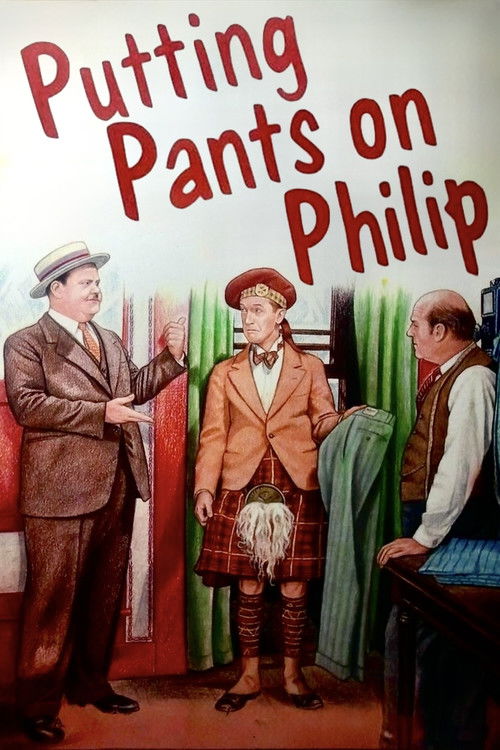
Putting Pants on Philip is a comedy that explores social etiquette and cultural assimilation. The plot revolves around the conflict between traditional Scottish dress and the imposition of Western clothing standards. While the film uses ethnic distinction as a driver for comedic conflict, it resolves this difference by conforming to established social hierarchies, reinforcing traditional norms rather than celebrating cultural autonomy. The film lacks representation of LGBTQ+ identities and female empowerment, maintaining a focus on male-dominated themes of class and decorum.
Category Breakdown
The film does not include any representation of LGBTQ+ identities or non-straight relationships. The storyline focuses on cultural attire and family hierarchy rather than sexual orientation.
The narrative seems centered around male characters and patriarchal expectations, with no indication of female empowerment or challenging gender hierarchies.
Scottish identity is a key element of the plot. However, the story frames this ethnic distinction through a lens of correction and assimilation into Western standards.
The film examines the tension between regional customs and Western social norms. It emphasizes the enforcement of Western norms over validating traditional practices.
There is no mention of characters with physical or neurodivergent disabilities in the provided information.
Present on Screen
Limited or Absent
Official Synopsis
Pompous J. Piedmont Mumblethunder greets his nephew from Scotland who arrives in kilts. He is immediately taken to a tailor for a pair of proper pants.
1913
1926
1934
1953
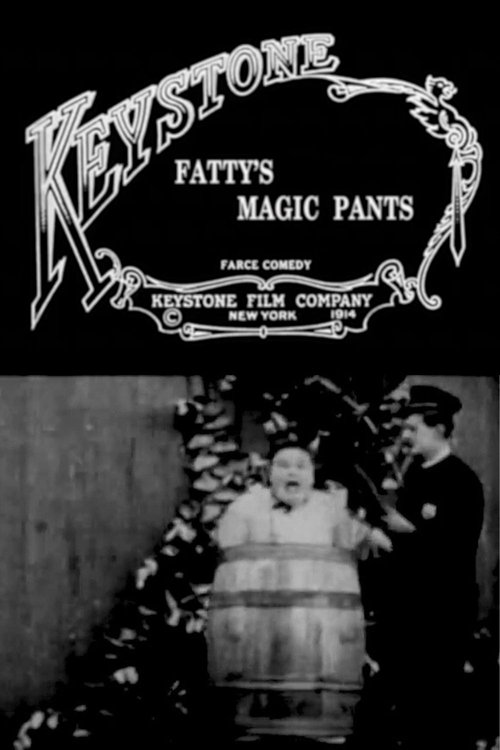
1914
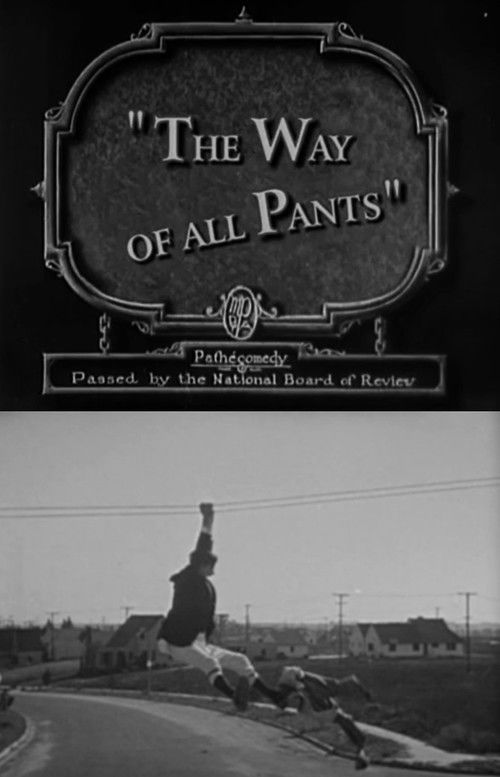
1927
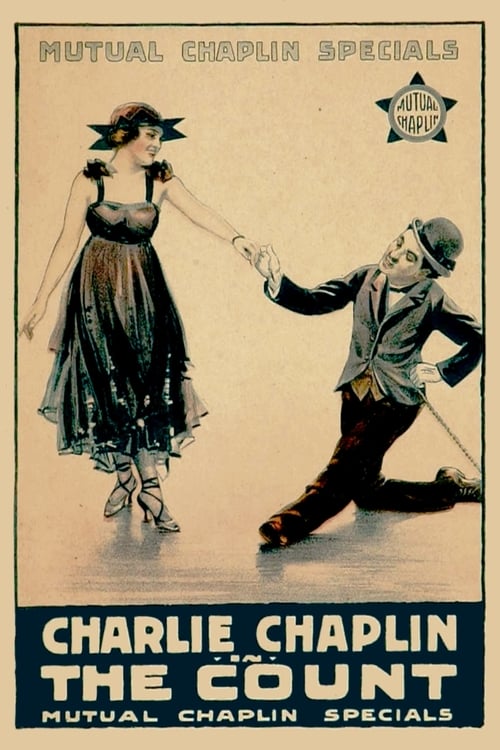
1916
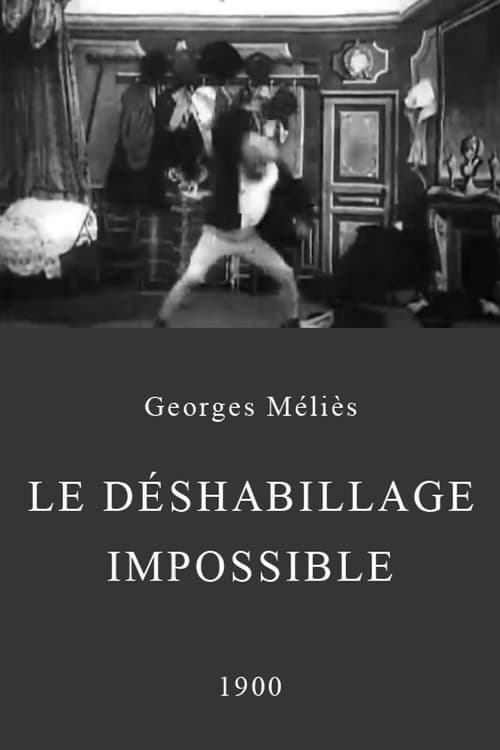
1900
No reviews yet. Be the first to share your thoughts on this movie!
Use the rating form above to leave a star rating and optional review.