Cuban Fireball
1951
No user ratings available yet
Diversity score: 3.7 out of 10

1951
ApprovedDirector
William Beaudine
Runtime
77 minutes
Average Rating
No ratings yetSynopsis
Ambassador Rico DeMarco is in Washington trying to raise a five-million dollar loan for his country, Lower Salamia. Filbert Filmore and his domineering wife are about to sign on the dotted line for the loan when DeMarco's vivacious daughter, Estelita, upsets the deal by accidentally knocking hot coffee over the papers---and Mrs. Fillmore, who leaves the house in a huff. When word of the difficulties filters back home it's Viva la Revolution. But Estelita, disguised as a fortune teller tries to convince astrology believer Fillmore that the stars are propitious for his making the loan.
Overall Score
Limited
Category Breakdown
LGBTQ+ Representation
The film lacks LGBTQ+ characters or narratives addressing non-cisnormative identities. It focuses on traditional romantic and familial dynamics common to 1950s comedies.
Gender Representation
Estelita shows some agency through her disguises and deceptions, yet her actions primarily serve as comedic catalysts. The film relies on established archetypes like the domineering wife.
Racial & Ethnic Diversity
The story features characters from the fictional nation of Lower Salamia. However, these characters operate within a conventional Western comedic framework centered on American interests.
Religious & Cultural Diversity
The plot utilizes astrology as a device for comedic misunderstanding. It reinforces mid-century Western storytelling norms and traditional capitalist frameworks regarding international diplomacy.
Disability Representation
There are no visible or invisible disabilities portrayed in the narrative.
Strengths
Areas for Improvement
AI Analysis
Havana Rose is a product of its era, adhering to the standard commercial studio models of the early 1950s. The film utilizes traditional comedic tropes and established social hierarchies rather than attempting to subvert them. While the inclusion of a foreign ambassador and his daughter provides a non-Western geopolitical element, the narrative remains centered on Western interests and financial transactions. The character dynamics rely heavily on mid-century archetypes. Ultimately, the film functions as a conventional comedy that reinforces prevailing cultural norms of the period through its focus on diplomacy, superstition, and domestic tropes.
1951
1950
1955
1963

1978
1928
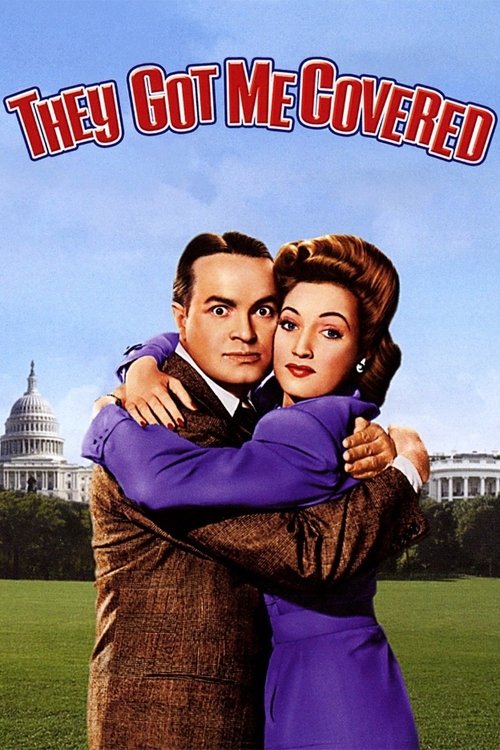
1943
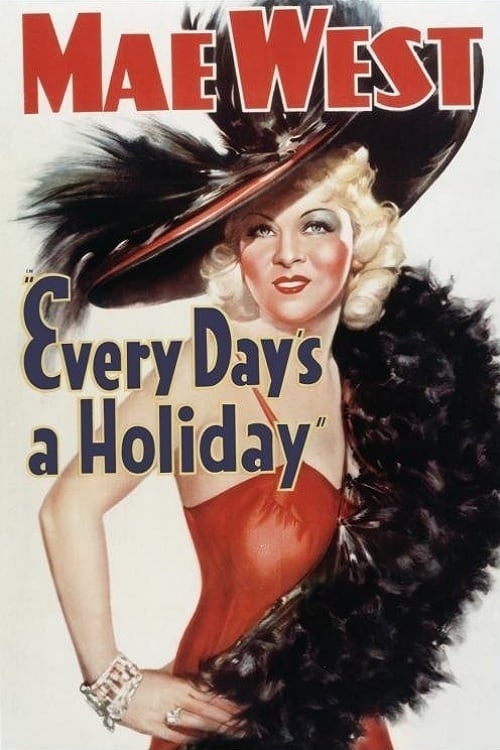
1937
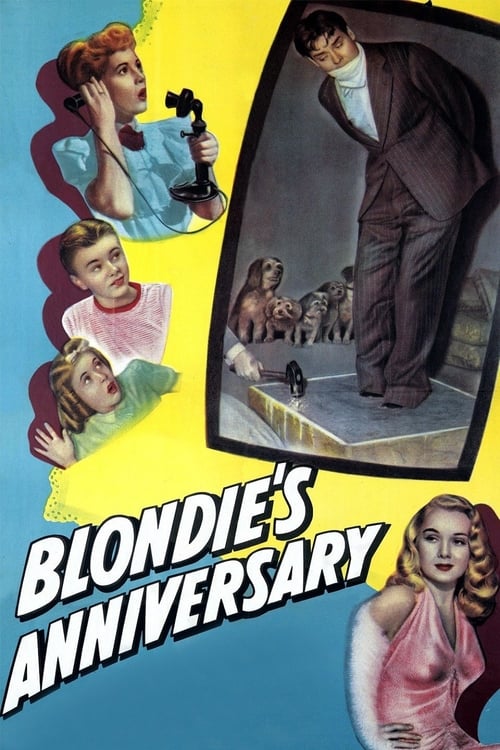
1947
1945
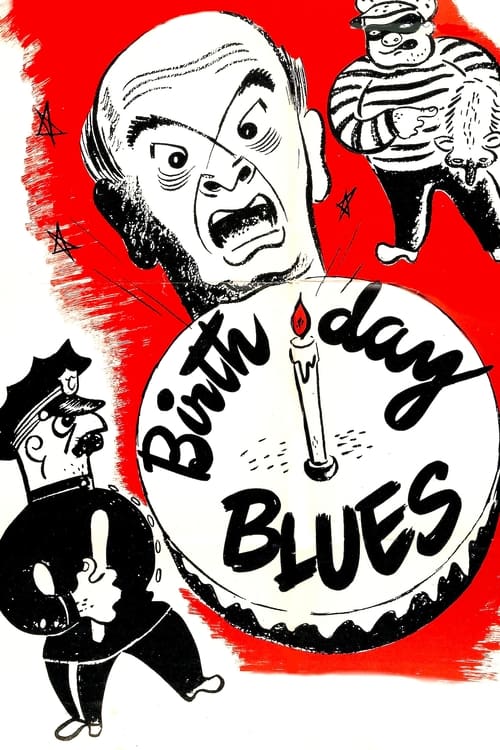
1945
1955
No reviews yet. Be the first to share your thoughts on this movie!
Use the rating form above to leave a star rating and optional review.