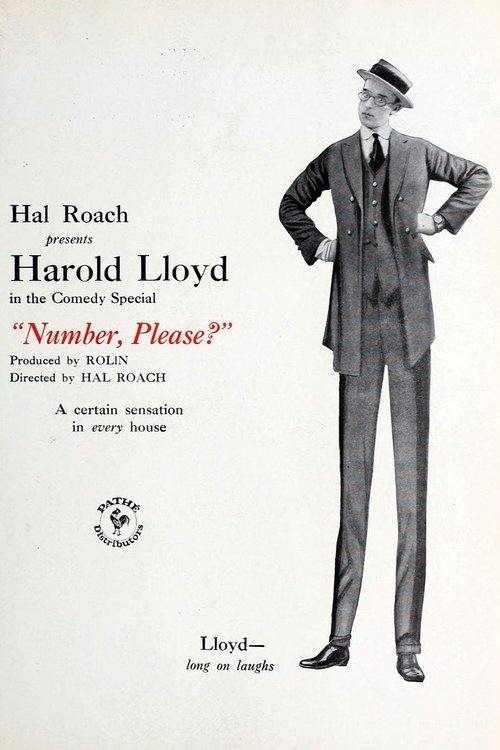
Number, Please?
1920
No user ratings available yet
Diversity score: 1.4 out of 10
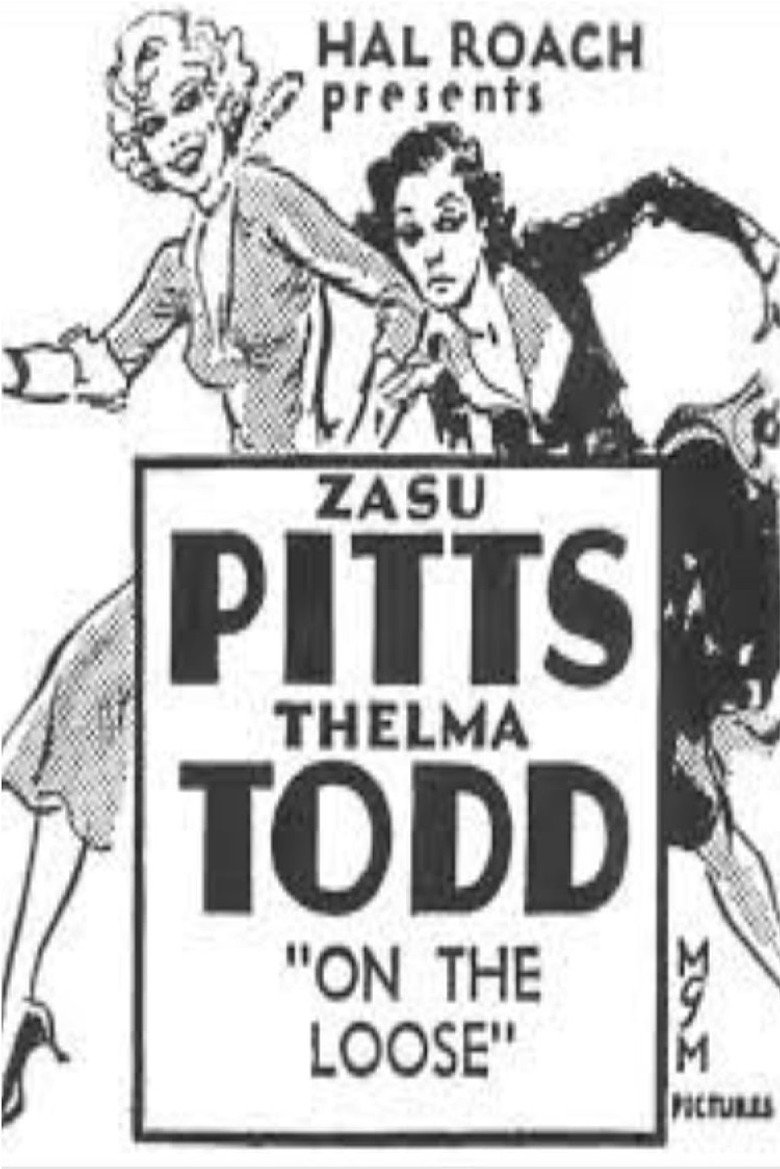
1931
Director
Hal Roach
Runtime
20 minutes
Average Rating
No ratings yetSynopsis
Two young women, Zasu and Thelma, complain that all of their dates take them to Coney Island. The next day a car goes by and they are splashed with mud. The driver stops and offers to buy them some new clothes. They accept the offer and later agree to go on a date.
Overall Score
Limited
Category Breakdown
LGBTQ+ Representation
The film lacks any evidence of queer narratives or non-heteronormative identities. The plot focuses entirely on traditional dating dynamics.
Gender Representation
Women drive the initial conflict and dialogue, placing them at the narrative center. However, their social resolution is mediated by a male character's intervention.
Racial & Ethnic Diversity
The name Zasu suggests potential for non-white representation, which would be significant for 1931. However, explicit racial identities are not confirmed in the text.
Religious & Cultural Diversity
The story reinforces standard Western social rituals and consumerism. It adheres to the conventional courtship norms of the early 20th century.
Disability Representation
There is no evidence of characters with physical disabilities or neurodivergent traits within the narrative arc.
Strengths
Areas for Improvement
AI Analysis
On the Loose is a traditional 1931 comedic short that operates within the established social hierarchies of its era. The narrative relies on standard romantic tropes and situational humor rather than challenging systemic structures. While the film centers on female protagonists, the resolution of their conflict follows a conventional pattern where a male character provides the solution. This reflects the era's typical gendered power dynamics. The potential for racial diversity exists through the character name Zasu, but the film primarily functions as a reinforcement of early 20th-century social and consumerist norms.
1920
1919
1920
1930
1932
1930

1928
1914
1936
1932

1940
1940
No reviews yet. Be the first to share your thoughts on this movie!
Use the rating form above to leave a star rating and optional review.