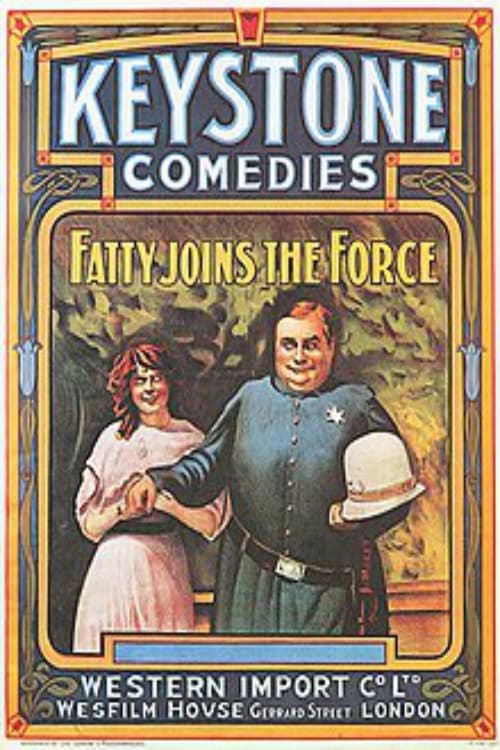
Fatty Joins the Force
1913
No user ratings available yet
Representation score: 1.8 out of 10
Representation Score
Minimal
1922
Director
James D. Davis
Runtime
15 minutes
Average Rating
No ratings yetNew Showbiz Analysis
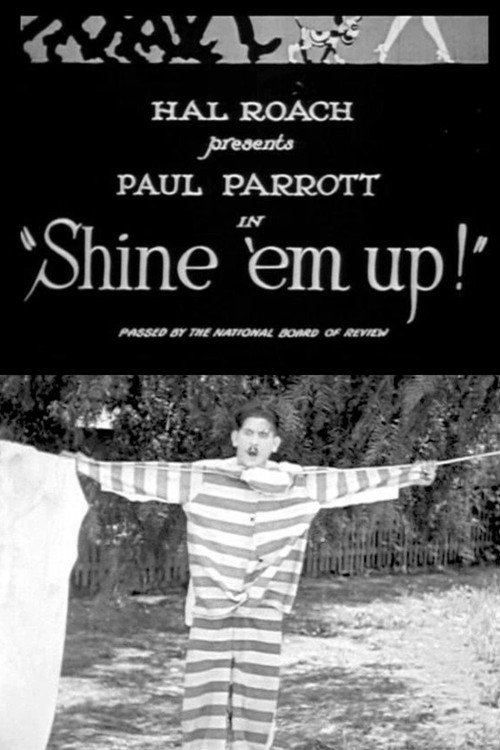
Shine 'Em Up is a product of early 1920s comedic clichés, focusing on a misunderstanding involving a mistaken identity. The plot follows a standard arc of professional redemption, moving from a perceived criminal status to a stable role at a train station. The film lacks depth in reflecting multiple aspects of identity or challenging social hierarchies. It prioritizes individual merit and the maintenance of social stability within established institutions. Because the narrative relies on conventional storytelling of its era, it offers little in the way of progressive representation or diverse character development.
Category Breakdown
The film does not include any characters with non-binary genders or same-sex relationships. It adheres strictly to the assumption that everyone is straight and cisgender.
The story focuses on the professional journey of a male character named Paul, reinforcing traditional masculine roles through themes of work and social reintegration.
While the shoeshine premise historically carries racial connotations, the film does not provide explicit information about the race of the actors. It likely reflects the demographic homogeneity of the time.
The story emphasizes industry and social order through the protagonist's integration into a structured environment, promoting traditional values of proving one's worth through employment.
There is no indication of characters with visible or invisible disabilities within the narrative.
Present on Screen
Limited or Absent
Official Synopsis
Paul's career as a shoeshine man is interrupted when he is mistaken for an escaped convict, but after the Station Master gives him a job at the train station he proves his worth.
1913

1940
1924

1923
1917
1928

1922
1926
No reviews yet. Be the first to share your thoughts on this movie!
Use the rating form above to leave a star rating and optional review.