
Conductor 1492
1924
No user ratings available yet
Representation score: 1.3 out of 10
Representation Score
Minimal
1924
PassedDirector
Harry Edwards
Runtime
17 minutes
Average Rating
No ratings yetNew Showbiz Analysis
Feet of Mud is a conventional 1920s comedy that prioritizes traditional masculine ability to act and patriarchal validation. The narrative structure follows the hero's journey from athlete to municipal worker to gain social standing. While the film includes ethnic variety through a Chinatown setting, it remains anchored in a conservative framework. The protagonist's heroism drives the resolution, often at the expense of nuanced representation for other groups. Ultimately, the film reinforces established social hierarchies and Western norms, using a 'hero saves the damsel' cliché that limits the ability to act of female and non-Western characters.
Category Breakdown
The film does not include any LGBTQ+ identities or same-sex relationships. The plot centers around traditional courtship and marriage.
Gender roles reflect early 20th-century hierarchies. Natalie motivates the protagonist to save her, while her father sets the social and economic conditions.
A Chinatown tong war adds ethnic variety, but the setting might be used as an exoticized backdrop. The white protagonist retains most of the ability to act.
The story emphasizes Western social structures, highlighting parental authority and stable employment. It aims to integrate the hero into the existing municipal order.
No visible or invisible disabilities are shown in the character arcs or main narrative.
Present on Screen
Limited or Absent
Official Synopsis
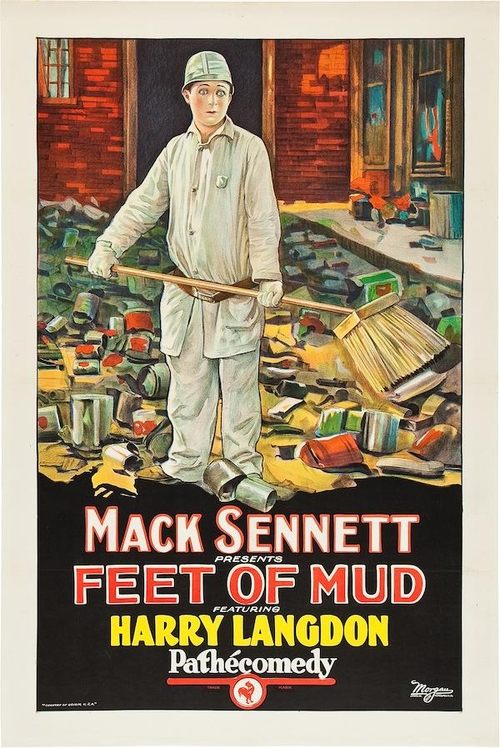
As Harry has "cleaned up" on the football field and won the big game, Natalie's dad figured that he should do the same in the world of work before marrying his daughter. Harry's chance to prove himself comes with an "engineering" job with the city. But it's sanitary engineering, and while our street sweeping hero tries his best, he just can't avoid making enemies. When he stumbles into the midst of a lively Chinatown tong war, it's Harry's bravery that saves Natalie and wins the day.
1924

1928
1913
1927
1927
1925
1915
1927
No reviews yet. Be the first to share your thoughts on this movie!
Use the rating form above to leave a star rating and optional review.