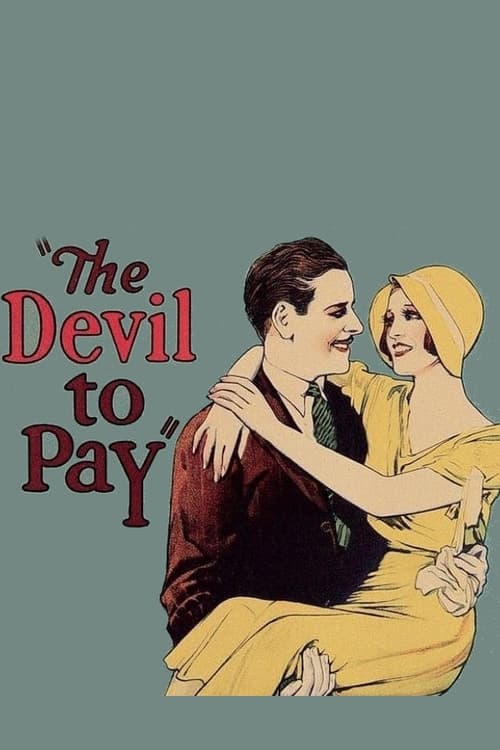
The Devil to Pay!
1930
No user ratings available yet
Diversity score: 3.2 out of 10
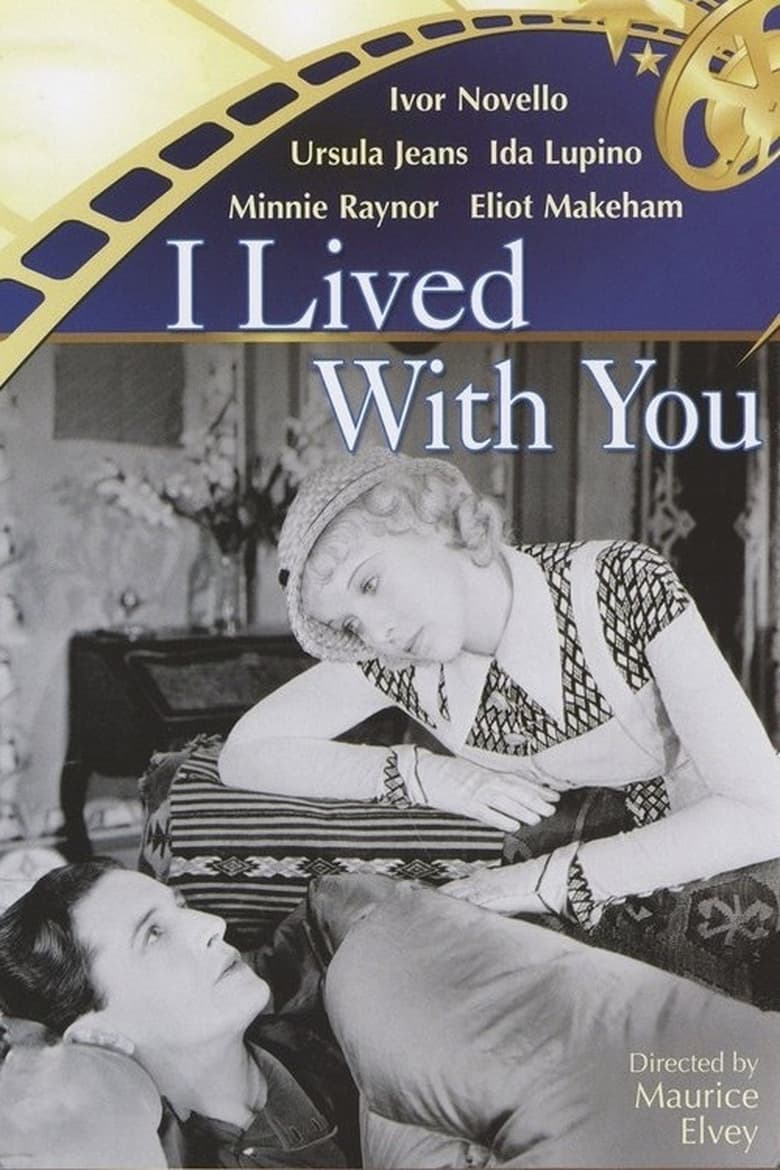
1933
Director
Maurice Elvey
Runtime
100 minutes
Average Rating
No ratings yetSynopsis
In London a young lady meets a homeless and apparently penniless Russian prince. She introduces him to her middle-class Fulham family and he moves in. It turns out he still has a number of diamonds given him by the last czar, and he is persuaded to start selling them. The resulting money, and his princely notoriety, soon cause changes in everyone's lives.
Overall Score
Limited
Category Breakdown
LGBTQ+ Representation
The film follows a heteronormative romantic structure typical of the 1930s. There is no evidence of queer narratives or non-cisnormative identities within the plot.
Gender Representation
A female protagonist drives the initial plot by hosting the Prince. However, the resolution shifts power toward the male lead through his newfound wealth and status.
Racial & Ethnic Diversity
The inclusion of a Russian aristocrat provides ethnic variety. Yet, the character functions primarily as a 'displaced aristocrat' trope rather than a deep exploration of identity.
Religious & Cultural Diversity
The story explores class disruption through the introduction of an exotic element into a middle-class household. It focuses on wealth rather than critiquing social institutions.
Disability Representation
There is no documented evidence of characters with disabilities playing central roles or serving as plot devices in this narrative.
Strengths
Areas for Improvement
AI Analysis
I Lived with You is a traditional period comedy that relies heavily on established social hierarchies. While it breaks the Anglo-Saxon domestic mold by introducing a Russian prince, it does so through a lens of class-based comedy rather than meaningful cultural exploration. The film offers a slight degree of agency to its female lead, but the narrative ultimately gravitates toward traditional romantic and economic tropes. The presence of a foreign national serves more as a catalyst for wealth-driven plot points than a nuanced study of ethnic identity. Ultimately, the film remains a product of its era, adhering to conventional gender roles and heteronormative structures without attempting to subvert the status quo.
1930
1928
1927
1935
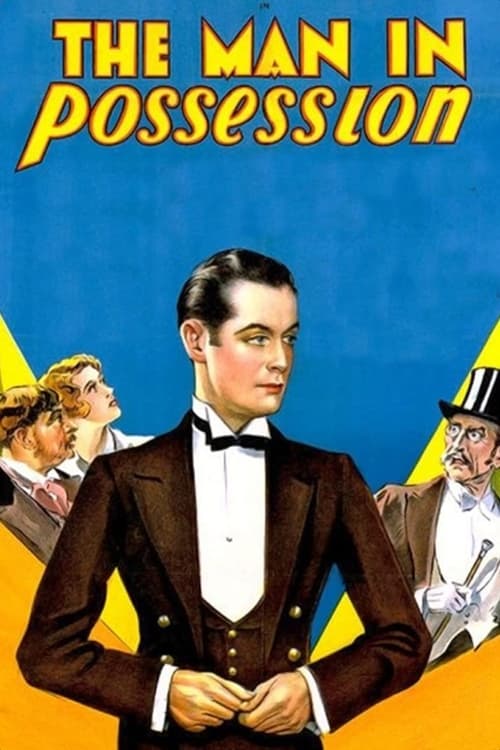
1931
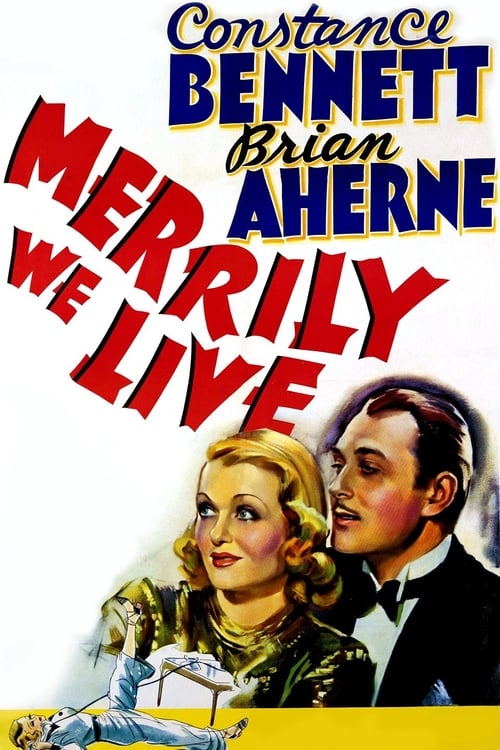
1938
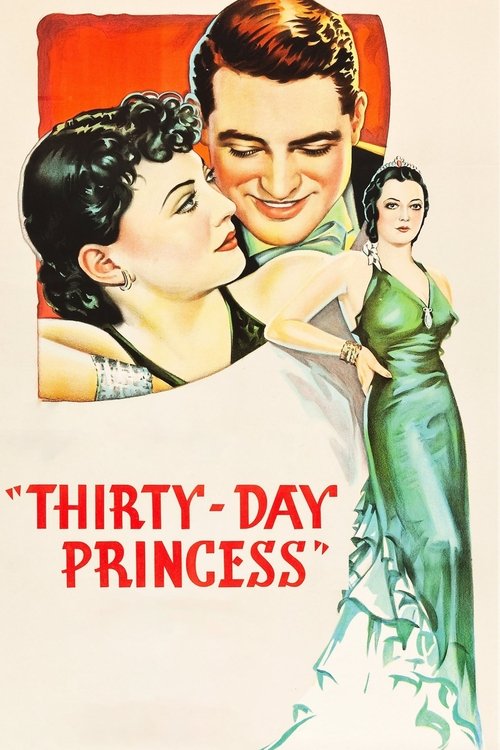
1934
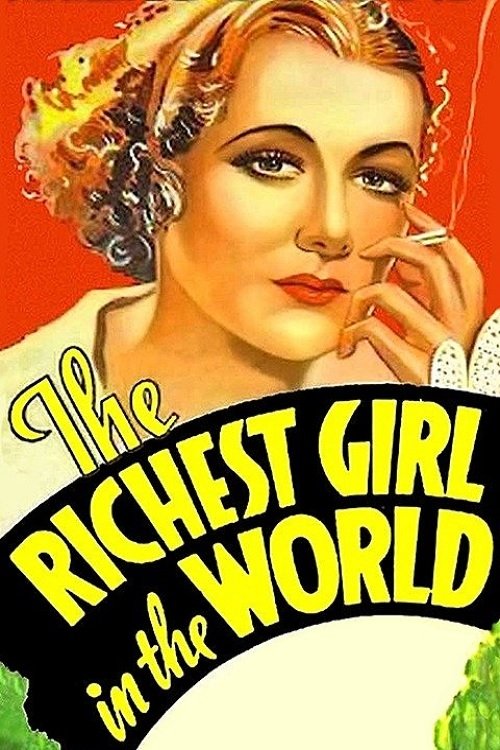
1934
1929
1926
1928
1931
No reviews yet. Be the first to share your thoughts on this movie!
Use the rating form above to leave a star rating and optional review.