
Qu'est-ce qu'on va faire de Jacques ?
2021
No user ratings available yet
Representation score: 7.1 out of 10
Representation Score
Good
2025
Director
Stanislas Carré de Malberg
Average Rating
No ratings yetNew Showbiz Analysis
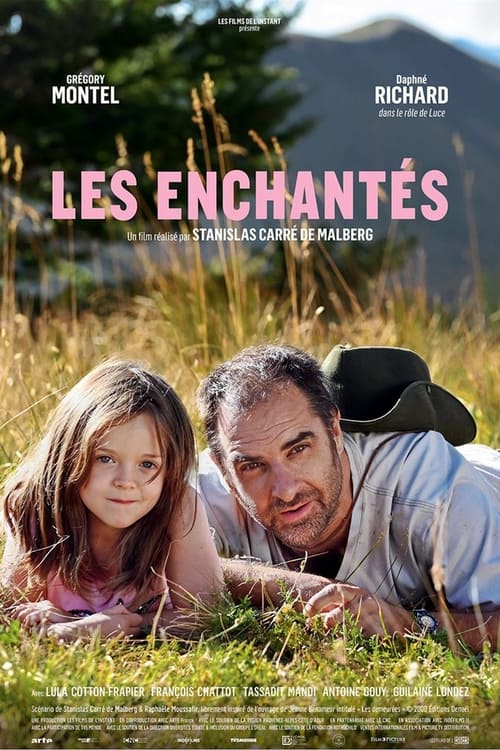
Les Enchantés offers a poignant look at unconventional domestic life by focusing on neurodiversity. The film moves away from the idealized nuclear family, instead exploring how a child deals with the complexities of a parent's cognitive impairment. The production excels by treating disability as a core component of character identity rather than a mere plot device. This approach provides a nuanced view of how mental impairment affects family units and social integration. While the film lacks explicit LGBTQ+ themes, it challenges traditional gender roles and provides a diverse ensemble. It examines the intersection of private, secluded lives and institutional oversight.
Category Breakdown
The story centers on neurodivergent family dynamics without mentioning LGBTQ+ identities or relationships that go beyond the assumption that everyone is straight.
The film challenges traditional masculine roles by showing a child and teacher dealing with a mentally impaired father. This shifts the typical protector dynamic usually associated with men.
The cast includes actors of different ethnicities, such as Tassadit Mandi and Vincent Pasdermadjian, which adds to the diversity of the ensemble. This helps move the production beyond a homogeneous perspective.
The story explores the tension between unconventional lifestyles and societal norms. It disrupts the idea of an idealized family by focusing on a household characterized by isolation.
The film's strongest aspect is its portrayal of a character with mental impairment. It treats cognitive impairment as a key part of the character’s identity and how they navigate society.
Present on Screen
Limited or Absent
Official Synopsis
When 6-year-old Luce starts school, she realizes that her father Thierry is mentally impaired. Until the start of school, the father-daughter team lived in seclusion in the forest. Her class teacher takes care of Luce.
2021

2014

2016
2015
2021

2023

2001

2022
No reviews yet. Be the first to share your thoughts on this movie!
Use the rating form above to leave a star rating and optional review.