
My Louisiana Sky
2001
No user ratings available yet
Representation score: 5.4 out of 10
Representation Score
Good
2005
PGDirector
Anjelica Huston
Runtime
90 minutes
Average Rating
No ratings yetNew Showbiz Analysis
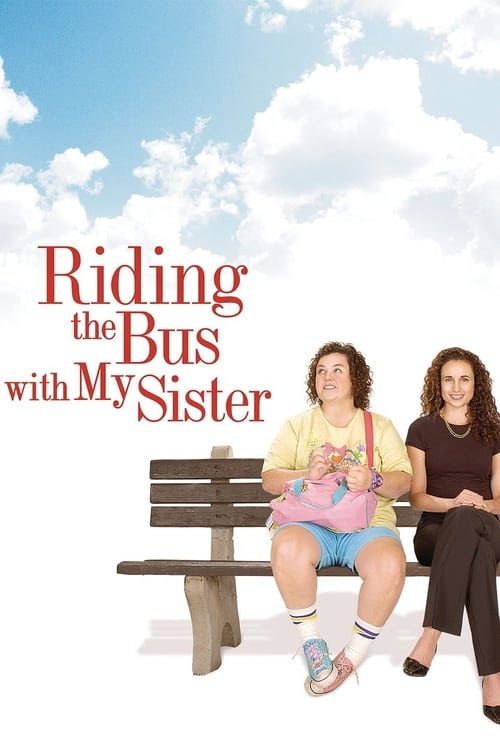
Riding the Bus with My Sister is a character-driven film that emphasizes the lived experience of neurodivergence and familial grief. By focusing on the relationship between two sisters after losing their father, the film steers clear of traditional family archetypes. The production effectively centers disability as a key element of the story, providing a nuanced portrayal of caregiving and sibling bonds. However, the film does not offer much in terms of racial diversity or LGBTQ+ representation, maintaining a narrow domestic focus.
Category Breakdown
The film does not include any explicit LGBTQ+ characters or themes. Its focus remains on a domestic drama centered around family relationships.
The story focuses on the interactions between sisters, emphasizing female-centric dynamics. It challenges traditional male-dominated structures by highlighting women navigating emotional crises together.
There is no evidence of significant racial blending or non-Anglo-Saxon majority casting. The setting appears to follow a conventional domestic framework.
The narrative examines the breakdown of the traditional family unit due to loss. It avoids idealized portrayals of the nuclear family, instead depicting the complexities of caregiving.
The film highlights the neurodivergent experience as the main driver of the emotional storyline. It gives a significant role in driving the story to the developmentally disabled sister, making her central to the narrative.
Present on Screen
Limited or Absent
Official Synopsis
A woman spends time with her developmental disabled sister after the death of their father.
2001

2001

1995

2014
2006

2023

2018
1999
No reviews yet. Be the first to share your thoughts on this movie!
Use the rating form above to leave a star rating and optional review.