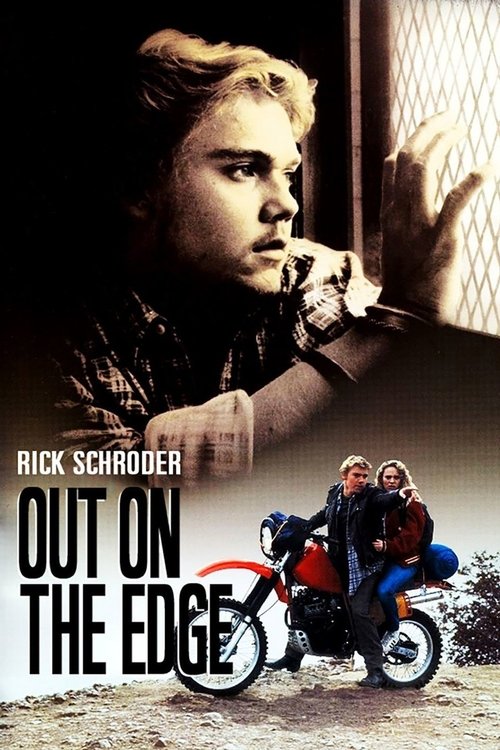
Out on the Edge
1989
No user ratings available yet
Representation score: 4.9 out of 10
Representation Score
Fair
1997
TV-14Director
Peter Werner
Runtime
90 minutes
Average Rating
No ratings yetNew Showbiz Analysis
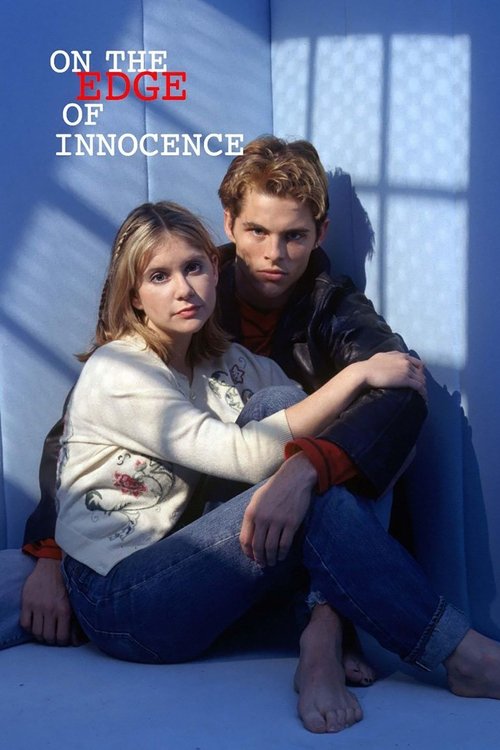
On the Edge of Innocence is a character-focused drama that highlights the challenges of living with mental health issues. It offers a detailed look at the lives of neurodivergent individuals, giving them a prominent role in shaping their own stories. However, the film adheres closely to traditional storytelling methods, showing limited diversity in terms of race, sexual orientation, and cultural representation. Its focus on mental health issues is handled sensitively but remains confined within a narrow demographic scope.
Category Breakdown
The main romantic relationship in the film is between Zoe and Jake, focusing on a heterosexual pairing. There are no representations of LGBTQ+ identities or stories involving non-assuming gender matches what was assigned at birth relationships.
Zoe is portrayed as a strong female lead with deep emotional struggles and a significant role in driving the story. Jake, on the other hand, is more focused on physical action, but the film delves into the internal conflicts faced by women.
The show follows typical demographic trends seen in late-90s TV, with no indication of a diverse cast or non-Anglo-Saxon majority.
The film examines the tension between personal freedom and external authority, such as medical professionals or parents, focusing on individual struggles without critiquing larger societal structures.
The story centers around neurodivergence, particularly manic depression and anger management issues. Characters have a significant role in driving the narrative, but their illnesses are the primary sources of conflict.
Present on Screen
Limited or Absent
Official Synopsis
Teenage Zoe Tyler suffers from manic-depression. With a musician father who is never around life seems hard. Zoe eventually lands up in a psychiatric ward for treatment. There she meets Jake, an unstable teenager with an anger problem. They fall in love and are soon separated by their doctors, psychiatrists and parents. Fuming, Jake suddenly sees a chance for escape and takes Zoe with him, along with a few other patients. After a trip around the country, Jake and Zoe must face up to their illness and their crime.
1989
2002

2013
2010
1987
1995
2006

1999
No reviews yet. Be the first to share your thoughts on this movie!
Use the rating form above to leave a star rating and optional review.